
Have you ever wondered why staying up late feels so natural to some people but impossible for others? Maybe you find yourself wide awake when the world is quiet, while your friends are already fast asleep.
This isn’t just about habit or choice—there’s a deeper reason behind why some people are natural night owls. Understanding this can help you unlock your own energy patterns and improve how you work, rest, and live. Keep reading to discover the surprising science behind your late-night alertness and how it might actually be a strength you’ve been overlooking.
Quick Navigation
Biological Clocks And Chronotypes
Biological clocks and chronotypes explain why some people prefer staying up late. These internal systems control our sleep and wake times. They decide if you are a morning person or a night owl. Understanding these concepts helps explain natural sleep habits.
Circadian Rhythms Basics
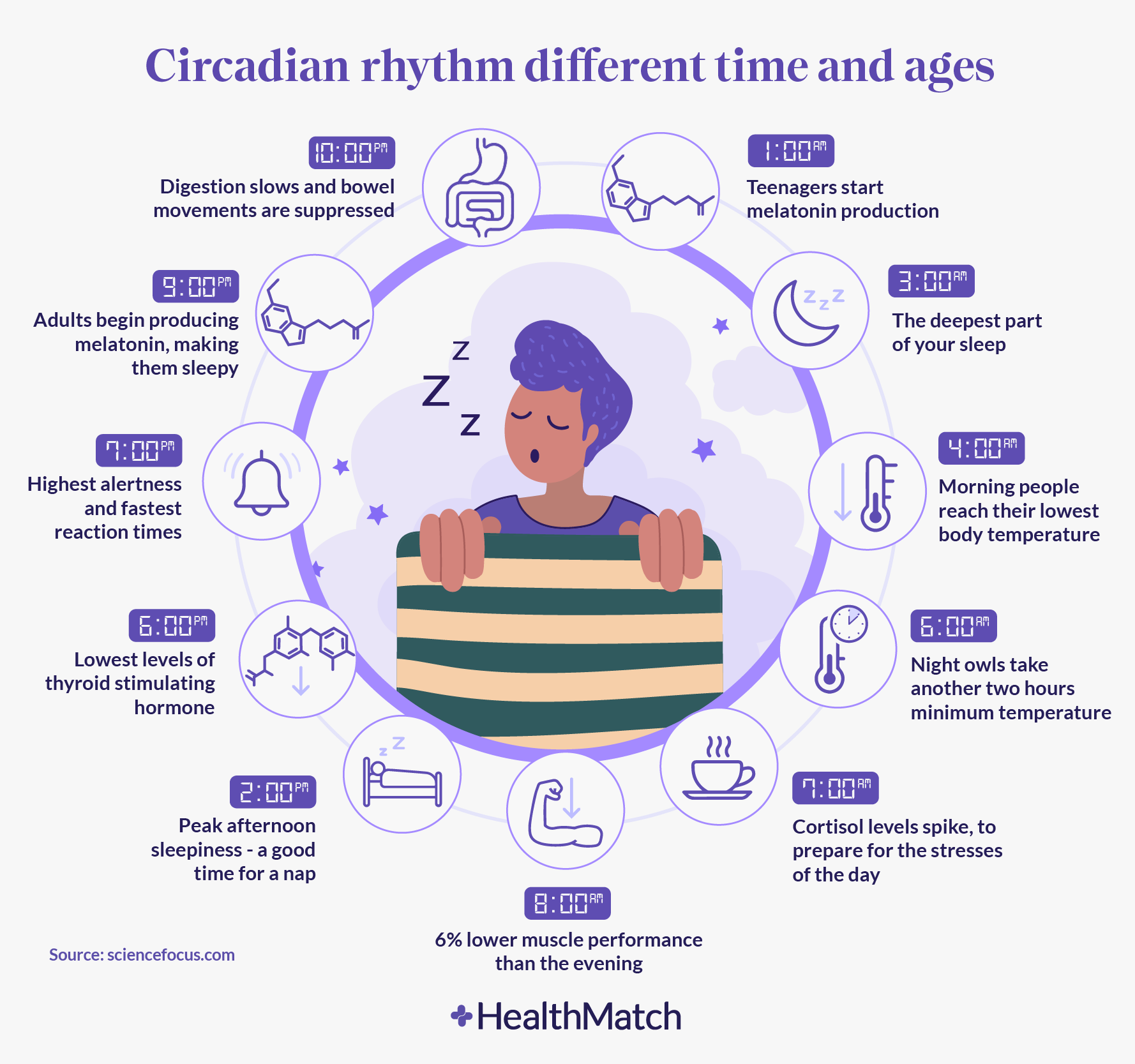
Circadian rhythms are 24-hour cycles in the body. They regulate sleep, hunger, and energy. Light and darkness help set these rhythms. When the sun sets, the body prepares for sleep. When it rises, the body wakes up. These rhythms keep our bodies on a daily schedule.
Types Of Chronotypes
Chronotypes are natural sleep patterns. Some people feel best in the morning. Others have energy at night. The main types are morning larks, night owls, and intermediates. Morning larks wake early and sleep early. Night owls do the opposite. Intermediates fall in between these two.
Genetic Influences On Sleep Patterns
Genes play a big role in your chronotype. They affect how your body clock works. Some people inherit night owl traits. Others get morning lark genes. These genes influence hormone release and body temperature. They shape when you feel sleepy or alert.
Brain Chemistry And Night Owls
Brain chemistry plays a key role in why some people are natural night owls. The way chemicals work in the brain affects sleep patterns and alertness. These differences shape when people feel awake or tired. Night owls have unique brain chemistry that helps them stay alert at night. Understanding these chemical influences explains their late-night energy.
Role Of Melatonin
Melatonin is a hormone that controls sleep and wake cycles. It usually rises in the evening to make people feel sleepy. In night owls, melatonin release happens later than in early birds. This delay shifts their internal clock, causing them to feel tired later at night. Lower melatonin levels in the early evening help night owls stay awake.
Neurotransmitters Impact
Neurotransmitters are brain chemicals that send signals between nerve cells. Dopamine and serotonin affect mood and alertness. Night owls often have higher dopamine activity at night, which boosts focus and energy. This chemical balance helps them stay awake and feel good during late hours. It also makes falling asleep early harder for them.
Alertness And Cognitive Function At Night
Night owls tend to have better mental focus in the evening. Their brain chemistry supports alertness and sharper thinking after dark. Cognitive functions like memory and problem-solving often peak later in the day. This pattern allows night owls to perform well at night. Their natural rhythm suits tasks that need concentration in late hours.
Environmental And Lifestyle Factors
Many people become natural night owls due to their environment and daily habits. These factors shape when they feel awake or sleepy. Understanding these can explain why some prefer late nights.
Light Exposure Effects
Light controls our internal body clock. Bright light in the evening can delay sleep time. This makes people feel awake later than usual. Dim light in the morning can also slow waking up early. Natural sunlight helps set a healthy sleep cycle.
Social And Work Schedules
People often change their sleep times for work or social life. Night shifts or late meetings push sleep later. Social activities at night make staying up easier. These habits can shift the body’s natural rhythm over time.
Technology And Screen Time
Screens emit blue light that tricks the brain. It signals to stay alert and blocks sleep hormones. Using phones or computers before bed delays tiredness. Reducing screen time at night helps reset sleep patterns.

Health Implications For Night Owls
Being a natural night owl affects more than just sleep times. It also impacts health in several ways. Understanding these effects helps night owls make better choices for their well-being.
Sleep Quality And Duration
Night owls often struggle to get enough sleep. Their body clocks make it hard to fall asleep early. This leads to shorter sleep hours on workdays. Poor sleep quality can cause tiredness and less focus. Over time, this affects daily performance and mood.
Mental Health Connections
Night owls may face higher risks of anxiety and depression. Irregular sleep patterns disturb brain chemistry. Lack of daylight exposure also affects mood. These factors can increase feelings of stress and sadness. Mental health support is important for night owls.
Long-term Physical Health Risks
Staying awake late often links to health problems. Risks include heart disease, obesity, and diabetes. Night owls might also have weaker immune systems. These issues happen because of disrupted body rhythms. Healthy habits can lower these risks over time.
Adapting To Or Embracing Night Owling
Many people find that their bodies naturally prefer late nights. Night owls often feel more awake and creative in the evening. Adapting to this schedule can help improve mood and productivity. Some choose to embrace their night owling habits instead of fighting them. This section explores ways to manage and enjoy being a night owl.
Tips For Night Owls
Plan tasks that need focus for late hours. Use the quiet time to work without interruptions. Keep your environment bright to signal wakefulness. Avoid caffeine late in the night to prevent jitters. Create a bedtime routine to help your body relax.
Adjusting Your Routine
Shift your daily activities gradually to fit night hours. Wake up and sleep at consistent times, even on weekends. Balance work and rest to avoid burnout. Inform family or coworkers about your schedule for support. Use natural light during the day to keep your body clock steady.
When To Seek Help
Difficulty sleeping or feeling tired all day may signal a problem. Consult a doctor if your night schedule harms your health. A specialist can check for sleep disorders like delayed sleep phase syndrome. Professional advice helps find safe ways to manage your sleep. Don’t ignore persistent fatigue or mood changes.

Frequently Asked Questions
Why Are Some People Naturally Night Owls?
Some people have genes that delay their internal clocks. This causes them to feel more awake and alert at night. Environmental factors and lifestyle also play roles in shaping night owl tendencies.
How Does Genetics Influence Night Owl Behavior?
Genetics control circadian rhythms, which regulate sleep and wake cycles. Variations in specific genes can shift sleep patterns later, making some people naturally prefer late nights.
Can Being A Night Owl Affect Health?
Yes, being a night owl can disrupt social and work schedules. This misalignment might increase risks for sleep disorders, mental health issues, and metabolic problems if not managed well.
Is It Possible To Change From Night Owl To Morning Person?
Yes, but it requires consistent effort. Gradually adjusting sleep times, exposure to morning light, and a structured routine can help reset your internal clock over time.
Conclusion
Some people naturally feel more awake at night. This trait comes from their body’s internal clock. Genes and lifestyle also play important roles. Night owls often find quiet and focus after dark. Understanding this can help accept different sleep patterns.
Everyone’s rhythm is unique. Respecting your natural schedule leads to better rest and health. Embrace your own timing and find what works best.