
As an Amazon Associate I earn from qualifying purchases.
Have you ever wondered if the hours you spend sleeping are really enough? Sleep affects everything you do—from how you think and feel to how well you perform each day.
But how much sleep do adults really need to feel rested and stay healthy? If you’re tired of feeling sluggish or struggling to focus, discovering the right amount of sleep for your body could change everything. Keep reading to find out what science says and how you can improve your sleep for better energy and well-being.
Quick Navigation
Sleep Recommendations For Adults
Sleep is essential for adults to stay healthy and feel good. Knowing how much sleep to get helps improve mood, focus, and energy. Sleep needs can change by age and body type. Understanding these needs can help you plan your rest better.
Below are clear guidelines on how much sleep adults generally need. These recommendations help most people find the right amount of rest.
General Guidelines
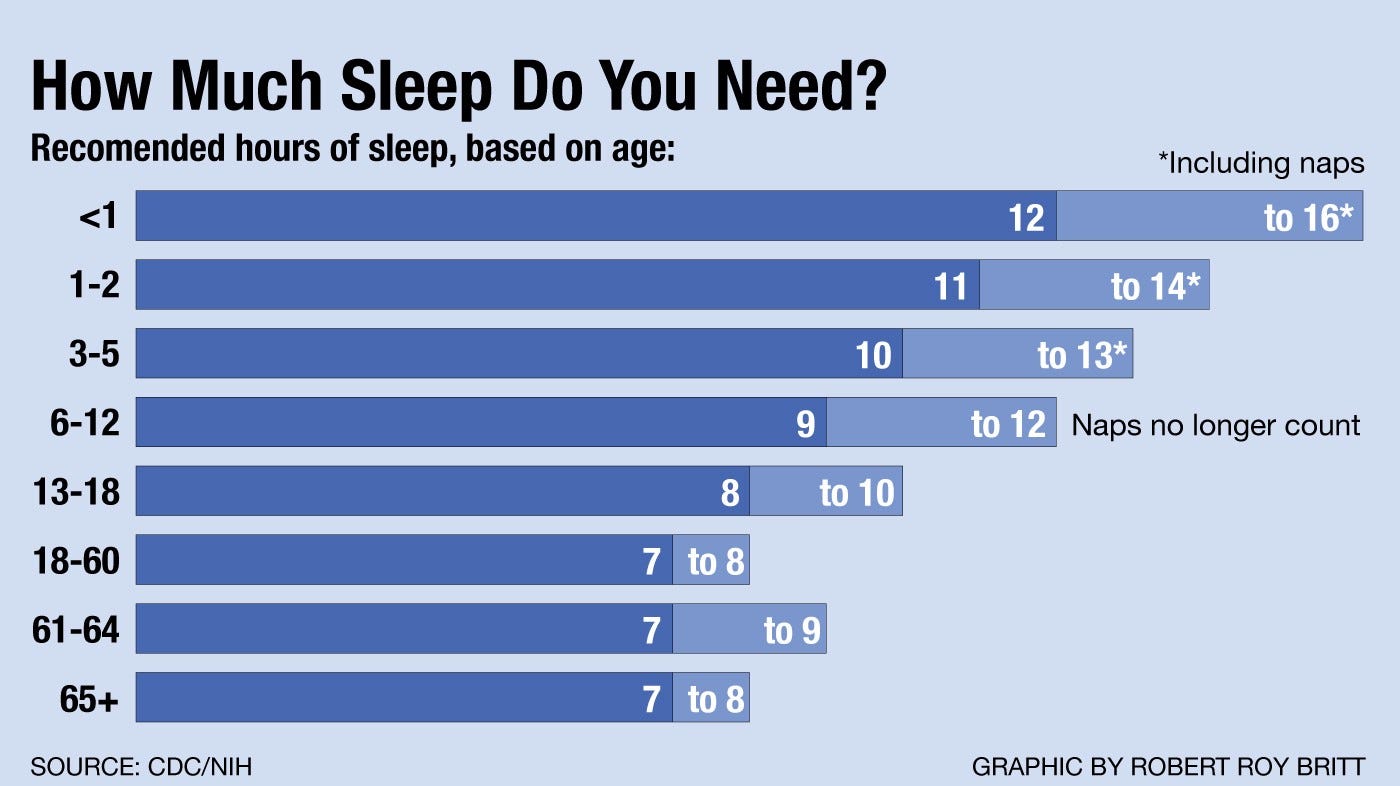
Most adults need between 7 to 9 hours of sleep every night. This range supports good health and daily performance. Less than 7 hours can cause tiredness and affect thinking. More than 9 hours may also be linked to health problems. Aim for a steady sleep schedule to feel your best.
Variations By Age Group
Adults aged 18 to 64 usually need 7 to 9 hours of sleep. Older adults, 65 and up, often do well with 7 to 8 hours. Young adults might need closer to 9 hours to support growth and brain function. Sleep patterns may change with age, but rest remains important at every stage.
Individual Differences
Not everyone needs the same amount of sleep. Some adults feel fine with 6 hours. Others may need up to 10 hours to feel rested. Factors like health, stress, and lifestyle affect sleep needs. Listen to your body and adjust your sleep time as needed.
Why Quality Matters
Sleep is more than just hours spent in bed. The quality of sleep shapes how rested you feel. Good sleep quality helps your body and brain work well the next day. Poor sleep quality can leave you tired and unfocused, even after enough hours of sleep.
Sleep Stages And Their Roles
Sleep happens in several stages. Each stage plays a role in healing and memory. Light sleep helps you relax and prepare for deep sleep. Deep sleep restores your body and boosts your immune system. REM sleep helps your brain process emotions and memories. A good night’s sleep includes all these stages.
Impact Of Poor Sleep Quality
Poor sleep quality can cause many problems. You may feel sleepy during the day. Your memory and focus can suffer. It also raises the risk of health problems like heart disease and diabetes. Poor sleep weakens your immune system. Quality sleep protects your body and mind better than just more hours in bed.
Signs Of Sleep Deprivation
Sleep deprivation affects the body and mind in many ways. It can cause clear signs that should not be ignored. Recognizing these signs helps protect your health and improve daily life.
Physical Symptoms
Feeling tired is the most common sign of sleep loss. You may also notice dark circles under your eyes. Your muscles might feel weak or sore. Frequent yawning is another clear signal. Some people experience headaches or dizziness. Your immune system may weaken, leading to more colds.
Cognitive Effects
Sleep deprivation slows down thinking and memory. Concentrating on tasks becomes hard. You may forget simple things easily. Decision-making skills also suffer. Reaction times become slower, which is dangerous for driving. Problem-solving feels more difficult than usual.
Emotional Consequences
Missing sleep often causes mood swings. Irritability and frustration rise quickly. You might feel more anxious or stressed. Some people become more sad or depressed. Social interactions can feel overwhelming. Sleep loss lowers your ability to cope with emotions.

Factors Affecting Sleep Needs
Sleep needs vary from person to person. Different factors change how much rest an adult needs each night. Understanding these factors helps improve sleep quality and overall health. Below are key influences on sleep requirements.
Lifestyle And Activity Levels
Active people often need more sleep to recover. Exercise and physical work tire the body. Rest helps muscles heal and energy return. Sedentary lifestyles may reduce sleep needs but can lower sleep quality. Balance between activity and rest is essential for good sleep.
Health Conditions
Illnesses affect sleep patterns and duration. Chronic pain, asthma, and heart disease can disrupt rest. Some conditions cause fatigue, increasing the need for sleep. Medications may also impact how long and well a person sleeps. Managing health helps maintain healthy sleep habits.
Stress And Mental Health
Stress often shortens sleep or causes poor sleep. Anxiety and depression can lead to insomnia or restless nights. Mental health problems affect the brain’s ability to relax. Reducing stress improves sleep length and quality. Sleep supports emotional balance and mental well-being.
Tips To Improve Sleep
Improving sleep is key to feeling rested and healthy. Small changes can make a big difference. Simple steps help your body and mind relax for better sleep.
Focus on your bedroom, daily habits, and screen time. Each part plays a role in how well you sleep.
Creating A Sleep-friendly Environment
Keep your bedroom cool, quiet, and dark. Use heavy curtains or an eye mask to block light. Choose a comfortable mattress and pillows. Remove noise with earplugs or a white noise machine. A calm room helps your body prepare for sleep.
Establishing Consistent Routines
Go to bed and wake up at the same time every day. Your body likes routine. Avoid naps late in the day. Try relaxing activities before bed, like reading or stretching. Consistency trains your brain to expect sleep at the right time.
Managing Technology Use Before Bed
Turn off phones, tablets, and TVs at least 30 minutes before bed. Screens emit blue light that tricks your brain into staying awake. Instead, try calming activities like listening to soft music. Reducing screen time helps your body wind down naturally.

When To Seek Professional Help
Sleep is important for health and daily function. Sometimes, poor sleep may signal a bigger problem. Knowing when to seek professional help can improve your rest and life.
Recognizing Sleep Disorders
Sleep disorders affect many adults. Signs include loud snoring, gasping for air, or waking up often. Feeling very tired during the day is another sign. Trouble falling asleep or staying asleep may also point to a problem. If sleep issues last more than a month, consider seeing a doctor. Untreated sleep disorders can harm your health and mood.
Available Treatments
Treatments depend on the type of sleep disorder. Doctors may suggest lifestyle changes like better sleep habits. Devices like CPAP machines help people with sleep apnea breathe better. Some may need medicine to improve sleep quality. Therapy can help with insomnia and anxiety-related sleep problems. Professional help can guide you to the right treatment and better sleep.
Frequently Asked Questions
How Many Hours Of Sleep Do Adults Need Nightly?
Most adults need 7 to 9 hours of sleep every night. This range supports optimal health, mood, and cognitive function. Less than 7 hours regularly can cause fatigue and health issues.
Can Adults Function Well With Less Than 6 Hours?
Consistently sleeping less than 6 hours often reduces alertness and memory. It increases risks of heart disease, obesity, and diabetes. Short sleep is generally unhealthy for most adults.
Does Sleep Need Change With Age In Adults?
Yes, sleep patterns and needs change with age. Older adults may sleep less but still need around 7 to 8 hours for good health and mental sharpness.
Is Napping Helpful If Adults Lack Night Sleep?
Short naps (20-30 minutes) can boost alertness and mood. However, long or late naps may disrupt nighttime sleep patterns. Napping complements but doesn’t replace full night sleep.
Conclusion
Adults need enough sleep to feel good and stay healthy. Most experts suggest seven to nine hours each night. Sleep helps the body repair and the mind stay sharp. Skipping sleep can cause problems with focus and mood. Try to keep a regular sleep schedule for better rest.
Small changes can lead to better energy and health. Remember, good sleep is a simple step toward a better life. Rest well, and your body will thank you.