
As an Amazon Associate I earn from qualifying purchases.
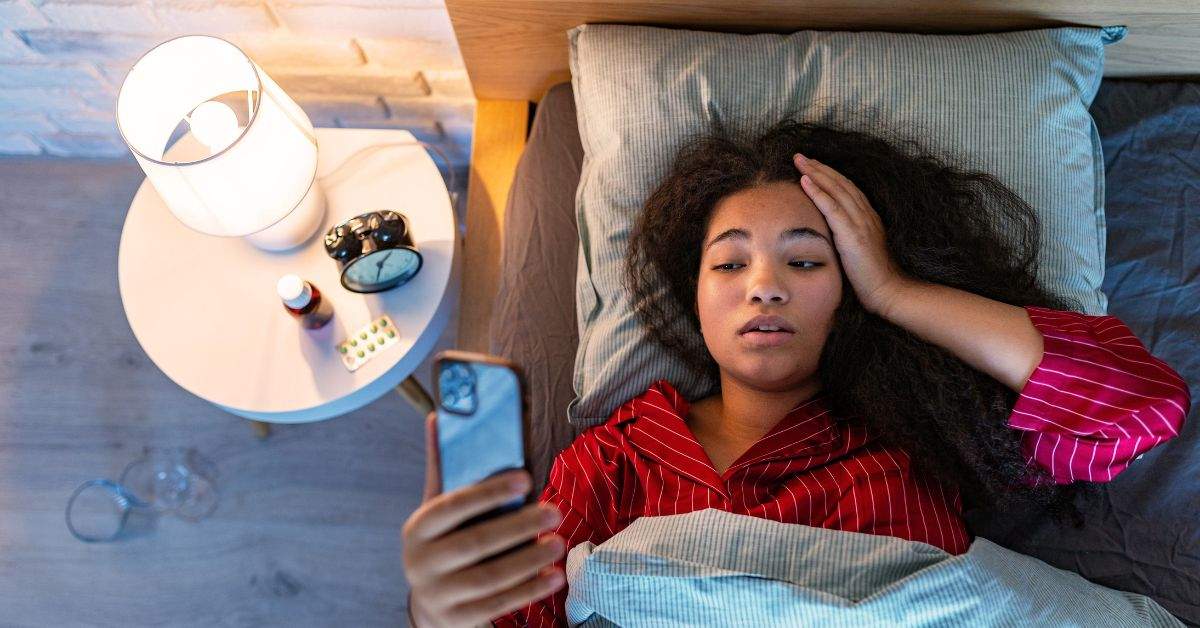
Have you ever wondered why scrolling on your phone late at night makes it harder to fall asleep? The answer lies in blue light, a type of light emitted by your screens.
But what exactly does science say about blue light and your sleep? Understanding this connection could change the way you use your devices and help you get the restful night you deserve. Keep reading to discover the surprising facts that could improve your sleep starting tonight.
Quick Navigation
Blue Light Basics
Blue light is a type of visible light with a short wavelength. It has more energy than other colors. This light plays an important role in our daily lives. It helps us stay awake and alert during the day. But it can also affect our sleep at night.
Understanding the basics of blue light can help us manage its effects better. Let’s explore where blue light comes from and how it affects the body.
Sources Of Blue Light
Blue light comes from both natural and artificial sources. The sun is the largest natural source. It provides bright blue light during daylight hours.
Artificial sources include electronic screens like phones, tablets, and computers. LED and fluorescent lights also emit blue light. These sources are common in homes and offices.
Exposure to blue light increases with the use of these devices. Many people spend hours looking at screens every day.
How Blue Light Affects The Body
Blue light influences the body’s internal clock, known as the circadian rhythm. It signals the brain to stay awake and alert.
During the day, blue light helps boost mood and focus. At night, it can cause problems by delaying sleep signals.
Exposure to blue light before bedtime may reduce melatonin. This hormone helps us fall asleep and stay asleep.
Too much blue light at night can lead to poor sleep quality and tiredness the next day.
Impact On Sleep Patterns
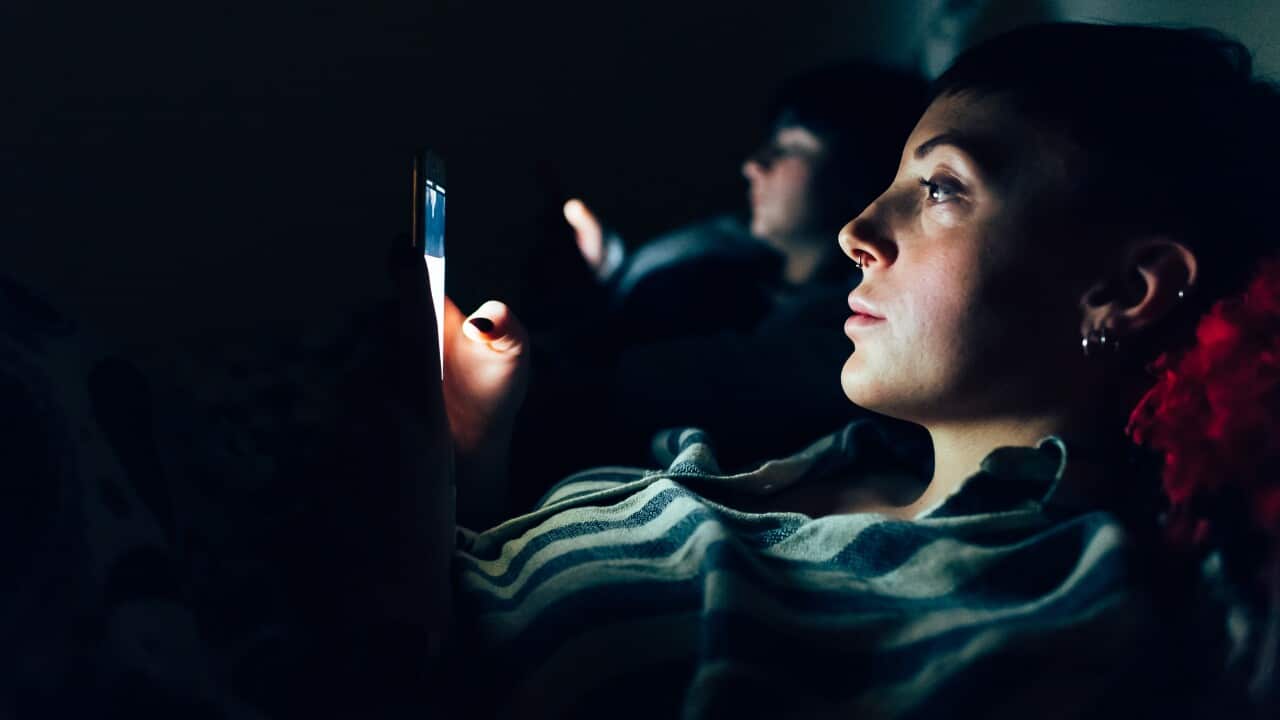
Blue light affects how we sleep in many ways. It changes important processes that help our body rest. Understanding this impact helps us improve our sleep habits.
Effect On Melatonin Production
Melatonin is the hormone that tells our body to sleep. Blue light lowers melatonin levels. Less melatonin means it is harder to fall asleep. Using devices with blue light at night stops melatonin from working well.
Changes In Sleep Quality
Blue light can make sleep lighter and shorter. People may wake up more during the night. Poor sleep reduces energy and focus the next day. Good sleep needs deep, uninterrupted rest.
Influence On Circadian Rhythm
The circadian rhythm is our body’s internal clock. It controls when we feel awake or tired. Blue light exposure at night shifts this clock later. This delay makes it tough to sleep early. A balanced rhythm helps keep healthy sleep patterns.
Scientific Studies And Findings
Scientific studies explore how blue light affects sleep quality. Researchers test this in labs and observe people in real life. They also study long-term impacts on health and sleep patterns.
These findings help us understand how blue light can change sleep and what to do about it.
Laboratory Research
Lab studies use controlled settings to test blue light effects on sleep. Volunteers wear special glasses or use devices with blue light. Scientists measure brain waves and hormone levels. Results show blue light can reduce melatonin, the sleep hormone. Lower melatonin makes it harder to fall asleep and stay asleep. Lab tests confirm blue light delays the body’s internal clock.
Real-world Observations
Researchers watch people in daily life to see blue light’s real effects. Studies track phone and computer use before bedtime. Many find more screen time leads to trouble falling asleep. People exposed to blue light late at night report feeling tired the next day. These observations match lab results, showing blue light disrupts natural sleep rhythms.
Long-term Effects
Long-term studies look at how constant blue light exposure changes health. Poor sleep from blue light links to problems like fatigue and mood issues. Some research connects it to higher risks of heart disease and obesity. Chronic sleep loss affects focus and memory. Understanding these risks pushes for better screen habits and lighting choices.
Reducing Blue Light Exposure
Reducing blue light exposure helps improve sleep quality. Blue light affects the body’s natural sleep signals. Lowering exposure can make falling asleep easier. Simple changes in daily habits can reduce blue light effects.
Try managing screen time, using blue light filters, and choosing soft lighting. These steps help protect your sleep and overall health.
Screen Time Management
Limit screen use before bedtime. Stop using phones, tablets, and computers one hour before bed. This reduces blue light exposure and helps your brain relax. Short breaks during screen use also lower eye strain and improve focus.
Use Of Blue Light Filters
Many devices have blue light filters or night modes. Turn these on in the evening to reduce harmful light. Special glasses with blue light blocking lenses also help. They protect your eyes during late-night screen time.
Alternative Lighting Options
Choose warm or dim lights in the evening. Avoid bright white or blue-toned bulbs. Use lamps or candles for softer light. This creates a calming environment that supports better sleep.
Tips For Better Sleep Hygiene
Good sleep hygiene helps improve sleep quality. It creates habits and environments that support restful nights. Small changes make a big difference in how well you sleep. Focus on your evening routine, bedroom setting, and technology use to boost your rest.
Evening Routine Adjustments
Set a regular bedtime and wake-up time. Your body prefers a steady schedule. Avoid heavy meals and caffeine before bed. Try relaxing activities like reading or gentle stretching. These calm your mind and prepare you for sleep.
Bedroom Environment
Keep your bedroom cool, dark, and quiet. Use blackout curtains or an eye mask. Remove noise disturbances with earplugs or a white noise machine. Choose a comfortable mattress and pillows. These help your body relax and fall asleep faster.
Technology Habits
Turn off screens at least one hour before bed. Blue light from devices reduces melatonin, a sleep hormone. Use night mode or blue light filters in the evening. Avoid watching exciting or stressful content before sleep. Instead, try calming music or meditation apps.
Future Research Directions
Science continues to explore how blue light affects sleep. New studies aim to uncover details we do not know yet. This research will help us use light in better ways. It will also guide us on how to protect our sleep health.
Emerging Technologies
New devices are being designed to control blue light exposure. Some screens adjust color and brightness automatically at night. Smart glasses block harmful blue light while allowing useful light. These tools may improve sleep by reducing light disruption.
Potential Therapeutic Uses
Blue light therapy shows promise in treating sleep disorders. Controlled exposure can help reset the body’s internal clock. Researchers test blue light for conditions like insomnia and jet lag. Future treatments may use light to improve mental health too.
Unanswered Questions
Many effects of blue light on sleep remain unclear. Scientists seek to understand how much light is harmful. The timing and duration of exposure need more study. Effects on different age groups and health conditions are unknown. Answers will help create precise guidelines for blue light use.

Frequently Asked Questions
What Is Blue Light’s Effect On Sleep Quality?
Blue light suppresses melatonin production, the hormone that regulates sleep. This disruption delays sleep onset and reduces overall sleep quality.
How Does Blue Light Impact Circadian Rhythms?
Blue light exposure at night shifts circadian rhythms, making it harder to fall asleep and wake naturally.
Can Reducing Blue Light Improve Sleep Patterns?
Yes, limiting blue light before bedtime helps restore melatonin levels and supports healthier sleep cycles.
Are Blue Light Filters Effective For Better Sleep?
Blue light filters reduce exposure and may improve sleep, but avoiding screens before bed is more effective.
Conclusion
Blue light affects the body’s natural sleep cycle. It can make falling asleep harder. Reducing screen time before bed helps improve sleep quality. Using dim, warm lights in the evening supports rest. Science shows that managing blue light exposure benefits health.
Small changes lead to better, deeper sleep at night. Try simple steps to protect your sleep from blue light. Your body will thank you with more energy and focus. Better sleep starts with understanding how light impacts rest.