
As an Amazon Associate I earn from qualifying purchases.
Have you ever wondered how you can track your sleep without tangled wires or uncomfortable devices? Imagine knowing exactly how well you slept, all without any hassle or interruptions.
Sleep tracking without wires is changing the way you understand your rest, making it easier and more natural than ever before. You’ll discover how this technology works and how it can help you improve your sleep quality starting tonight. Keep reading to unlock the secrets of effortless sleep monitoring that fits perfectly into your life.
Quick Navigation
Wireless Sleep Tracking Basics
Wireless sleep tracking offers a simple way to monitor sleep without physical attachments. It uses smart technology to record sleep patterns and quality. This method provides comfort and convenience during rest.
Understanding the basics helps to see how the technology works. It involves key components and signal capturing methods that work together seamlessly.
Key Components
Wireless sleep trackers include sensors, transmitters, and receivers. Sensors detect body movements and breathing patterns. Transmitters send this data wirelessly to a receiver. The receiver collects and processes the information. Some systems use radar or radio waves instead of physical sensors. These parts work quietly to avoid disturbing sleep.
How Signals Are Captured
Signals come from small movements and body heat. Sensors pick up these signals without direct contact. Radio waves or radar capture breathing and heart rate. The signals travel through the air to a receiver. Then, software analyzes the data to track sleep stages. This method allows detailed sleep tracking without wires or devices on the body.
Types Of Wireless Sleep Trackers
Wireless sleep trackers help monitor your rest without cords or complicated setups. They collect data on your sleep patterns, heart rate, and movement. These devices work using different technologies. Each type offers unique ways to understand your sleep health.
Wearable Devices
Wearable sleep trackers are small gadgets you wear on your wrist or finger. They use sensors to track your movement and heart rate. This data helps measure sleep quality and stages. These devices connect to apps via Bluetooth for easy access. They are portable and simple to use every night.
Non-contact Sensors
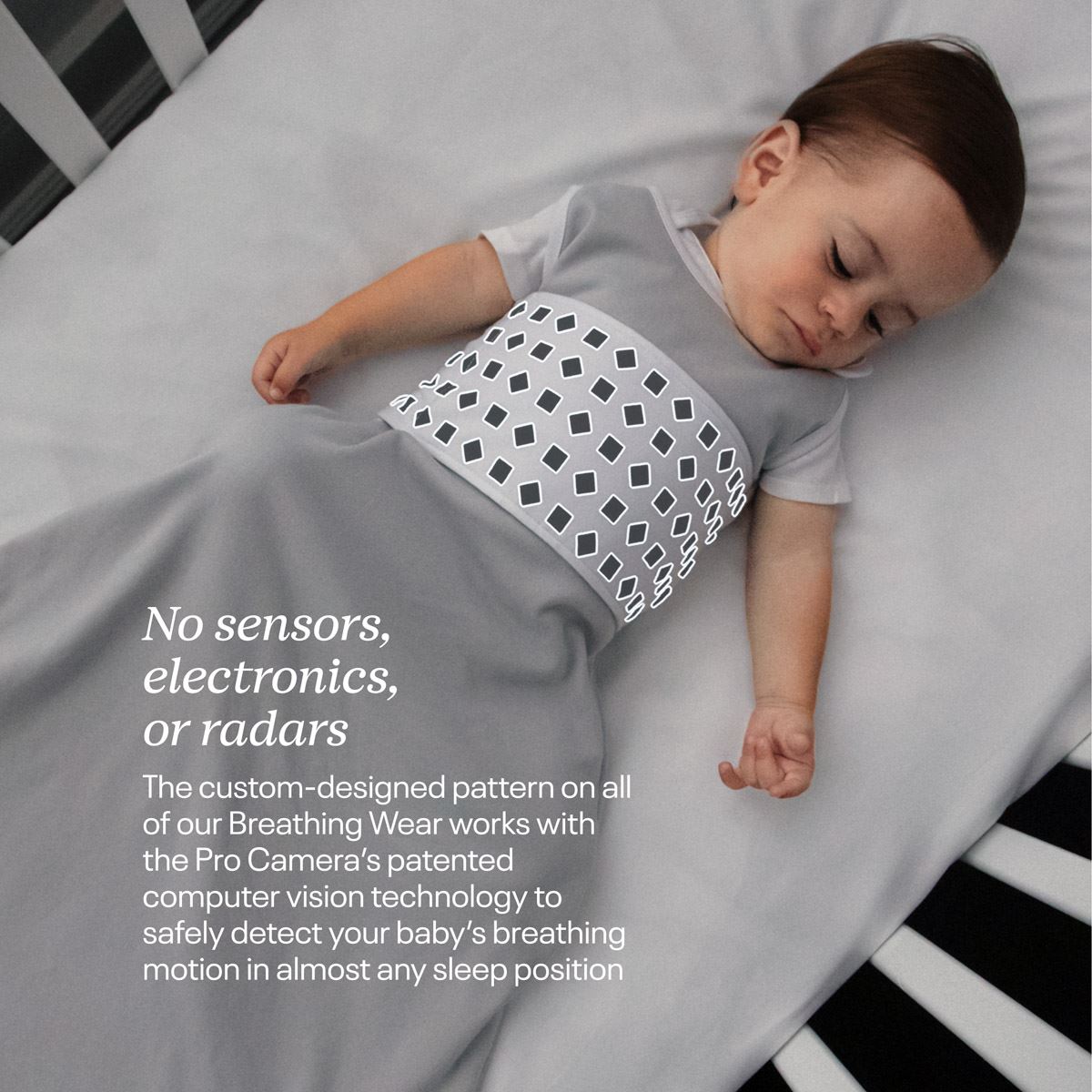
Non-contact sensors monitor sleep without touching your body. They often sit under your mattress or on your bedside table. These sensors detect breathing, movement, and heart rate. They use radio waves or motion detection technology. This option is great for those who dislike wearing devices while sleeping.
Smartphone Integration
Many smartphones have built-in sleep tracking features. They use the phone’s microphone and accelerometer to track sleep sounds and movements. You place the phone near your bed to collect data. Some apps also analyze sleep patterns and give suggestions. This method is easy and requires no extra device.
Technologies Behind Wireless Tracking
Wireless sleep tracking uses several smart technologies to monitor sleep without wires. These methods gather data by sensing small body movements and signals. The devices work quietly, often placed near the bed or under the mattress. This technology helps track sleep stages, breathing, and heart rate.
Radio Frequency Sensors
Radio frequency sensors send low-power radio waves into the room. These waves bounce off the body and return to the sensor. Changes in the waves show movements like breathing and heartbeats. The sensor uses these changes to track sleep patterns. This method works without touching the body.
Ballistocardiography
Ballistocardiography measures tiny movements caused by the heartbeat. It detects the body’s recoil from the heart pumping blood. Sensors placed under the mattress capture these subtle motions. This data helps monitor heart rate and breathing during sleep. The process is completely contactless and silent.
Infrared And Optical Sensors
Infrared and optical sensors use light to detect body movements and breathing. Infrared sensors sense heat changes near the skin. Optical sensors use light reflections to track motion. These sensors can work from a distance without wires. They provide accurate data about sleep without disturbing the sleeper.
Data Collection And Analysis
Sleep tracking without wires uses smart technology to collect important data. This data helps understand how well you sleep each night. Devices gather signals from your body and analyze them to show your sleep quality. The process happens quietly and automatically while you rest.
Measuring Sleep Stages
Sleep trackers identify different sleep stages like light, deep, and REM sleep. Sensors detect brain activity, eye movement, and muscle tone without wires. This helps create a detailed sleep pattern. Knowing your sleep stages helps improve your rest and health.
Heart Rate And Breathing Monitoring
Devices measure your heart rate and breathing rate using sensors. These sensors pick up tiny changes in your body signals. Tracking heart and breath rates shows how relaxed your body is during sleep. It also helps find sleep problems like apnea or stress.
Movement Detection
Movement sensors track how often and how much you move in bed. Small motions show when you change sleep positions or wake up briefly. Less movement usually means deeper, better sleep. This data helps to understand your sleep habits better.
Benefits Of Wire-free Sleep Tracking
Wire-free sleep tracking offers many benefits for better rest and health. It uses modern sensors that do not need direct contact with your body. This makes tracking your sleep easier and more natural. You can learn about your sleep patterns without feeling uncomfortable or restricted.
Comfort And Convenience
Wire-free devices do not use cables or straps. This means no tangled wires while you move in bed. You can sleep in any position you like. The devices are lightweight and do not disturb your sleep. This comfort helps you get more accurate sleep data.
Continuous Monitoring
Wire-free trackers work all night without interruption. They can track your sleep stages from start to finish. There is no need to adjust or remove anything during the night. This constant monitoring gives a full picture of your sleep quality. It helps detect patterns or problems more clearly.
Improved Sleep Insights
These devices collect detailed information about your breathing, movement, and heart rate. The data is sent to an app or computer for easy review. You get clear reports that show your sleep trends over time. This helps you understand what affects your rest. You can make better choices to improve your sleep health.
Challenges And Limitations
Sleep tracking without wires offers great convenience. It uses sensors placed under your mattress or radar technology to monitor your sleep. Despite its benefits, this method faces several challenges and limitations. Understanding these issues helps set the right expectations.
Accuracy Concerns
Wireless sleep trackers can sometimes miss details. They may not detect small movements or changes in heart rate well. This can lead to less precise sleep stage data. These devices often rely on indirect measurements, which reduce exactness. Users may find differences between their feelings and the tracker’s report.
Environmental Interference
Signals from wireless trackers can be affected by surroundings. Nearby electronic devices may cause interference. Thick mattresses or bed frames can block sensors. Pets or partners moving on the bed might cause false readings. These factors can disrupt data collection and lower reliability.
Privacy And Data Security
Sleep data is personal and sensitive. Wireless devices send data to apps or cloud servers. This process can expose information to hacking risks. Some companies may share data with third parties. Users must check privacy policies carefully before use.
Future Trends In Sleep Tracking
Sleep tracking without wires is changing fast. New tools help us learn more about our sleep. The future holds exciting changes. These will make sleep tracking easier and smarter. Technology is becoming more personal and precise. Here are some key trends to watch.
Ai And Machine Learning Integration
AI helps analyze sleep data deeply. It finds patterns humans might miss. Machine learning improves accuracy over time. The system learns your habits and adjusts. This means better insights into your sleep quality. AI can also predict sleep problems early. It offers advice based on your unique data.
Enhanced Sensor Technology
Sensors are getting smaller and more sensitive. They can detect tiny movements and breathing changes. New sensors work without touching your skin. Some use radio waves or sound to track sleep. This makes tracking more comfortable and less intrusive. Advanced sensors provide detailed data about sleep stages.
Personalized Sleep Coaching
Sleep tracking soon will include custom coaching. Apps will give advice based on your data. They suggest changes to improve your sleep habits. Coaching will consider your lifestyle and health. This makes advice easier to follow and more useful. Personalized tips help you get better sleep every night.


Frequently Asked Questions
How Does Wireless Sleep Tracking Detect Sleep Patterns?
Wireless sleep trackers use sensors to monitor body movements, heart rate, and breathing. They analyze this data to identify sleep stages and quality without physical wires attached to the body.
What Technology Powers Wire-free Sleep Trackers?
Wireless sleep trackers often use radar, radio waves, or ballistocardiography sensors. These technologies detect subtle body signals remotely, enabling accurate sleep monitoring without direct contact.
Can Wireless Sleep Tracking Be As Accurate As Wired Devices?
Yes, modern wireless trackers provide comparable accuracy. They use advanced algorithms and sensitive sensors to deliver reliable sleep data without the discomfort of wires.
Are Wireless Sleep Trackers Safe For Daily Use?
Wireless sleep trackers are generally safe, emitting low-level signals. They comply with health standards and pose minimal risk for regular sleep monitoring.
Conclusion
Sleep tracking without wires offers comfort and ease during rest. It uses sensors to monitor movements and breathing quietly. No need for bulky devices or uncomfortable attachments. This method helps understand sleep patterns clearly and naturally. Many find it simple to use every night.
Better sleep knowledge can improve daily energy and mood. Wireless tracking blends well with modern lifestyles. It supports healthy habits without interrupting sleep. Try this gentle way to watch your sleep quality. Rest well, feel refreshed, and live better.