
As an Amazon Associate I earn from qualifying purchases.
Have you ever wondered why you toss and turn at night, no matter how tired you feel? The answer might be closer than you think—right on your plate.
Certain foods can sneakily disrupt your sleep, leaving you restless and groggy the next day. If you want to wake up refreshed and full of energy, it’s crucial to know which foods are working against your best rest. Keep reading to discover the common foods that interfere with your sleep and how to avoid them for a better night’s rest starting tonight.
:max_bytes(150000):strip_icc()/lackofsleep_smaller_GettyImages-1349946282-172aff199a894b7fb9d878ec3a2c225e.jpeg)
Quick Navigation
Common Sleep Disruptors
Many foods can disturb your sleep without you knowing. These common sleep disruptors affect your body’s ability to rest well. Understanding them helps you make better choices for a good night’s sleep.
Some foods and drinks can keep your brain awake or cause restless sleep. Avoiding these can improve how deep and refreshing your sleep feels.
Caffeine And Its Effects
Caffeine is a stimulant found in coffee, tea, and chocolate. It blocks a chemical in the brain that makes you feel sleepy. Drinking caffeine late in the day can make it hard to fall asleep. Even small amounts can stay in your body for hours. Your sleep quality drops when caffeine is in your system before bedtime.
Alcohol’s Impact On Sleep
Alcohol may help you fall asleep faster, but it harms sleep quality. It reduces deep sleep and causes more awakenings at night. Drinking alcohol before bed disrupts your natural sleep cycle. This leads to tiredness the next day. Avoid alcohol close to bedtime for better rest.
Sugar And Sleep Quality
Eating a lot of sugar can hurt your sleep. High sugar intake causes energy spikes and crashes. This can make falling asleep difficult. Sugar also affects your brain chemicals linked to sleep. Reducing sugar, especially at night, helps your body relax and rest.
Hidden Sleep Saboteurs
Some foods can quietly disrupt your sleep without you knowing. These hidden sleep saboteurs affect how well you rest. Avoiding them can help improve your nights and boost your energy during the day.
Spicy Foods And Digestion
Spicy foods can cause heartburn and indigestion. This discomfort makes falling asleep harder. Your body works overtime to digest spicy meals. This extra effort can keep you awake longer.
Heavy And Fatty Meals
Heavy meals slow down digestion and cause discomfort. Fatty foods take more time to break down. This leads to restless nights and poor sleep quality. Eating light meals helps your body relax before bed.
Chocolate’s Stimulant Properties
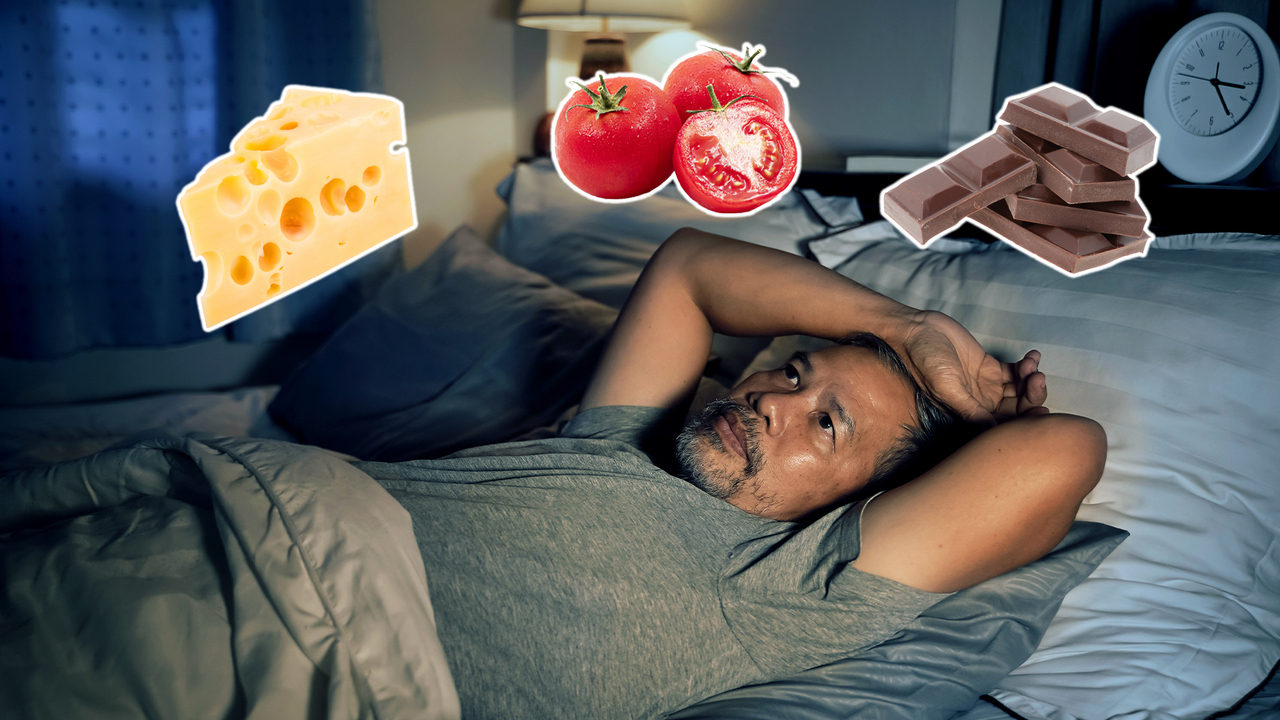
Chocolate contains caffeine and theobromine, which act as stimulants. These substances can increase your heart rate. They make it difficult to fall asleep quickly. Avoid chocolate close to bedtime for better rest.
Timing And Portion Size
Timing and portion size play a big role in how food affects your sleep. Eating too close to bedtime or having large meals can cause discomfort. This makes it harder to fall asleep or stay asleep through the night. Understanding the right time and amount to eat helps improve sleep quality.
Late-night Eating Risks
Eating late at night can disrupt your body’s natural rhythm. Your digestive system slows down as you prepare for sleep. Heavy or spicy foods late can cause heartburn or indigestion. These issues make it tough to relax and sleep well. Avoid snacks and meals at least two hours before bed.
Large Meals Before Bed
Large meals take longer to digest and can keep your body active. This delays your sleep cycle and leads to restless nights. Overeating may cause discomfort and bloating. Your body uses energy to digest food instead of resting. Choose smaller portions in the evening to help your body wind down.
Optimal Meal Timing
Plan your last meal at least three hours before sleeping. This gives your body time to digest food properly. Eating earlier allows your metabolism to slow naturally. Light snacks, like fruits or yogurt, are fine closer to bedtime. This balance supports better sleep and morning energy.

How Certain Drinks Affect Sleep
Drinks can play a big role in how well you sleep. Some drinks contain substances that keep your brain awake. Others may cause bathroom trips during the night. Knowing which drinks to avoid helps improve sleep quality.
Not all drinks affect sleep the same way. Some drinks have caffeine or sugar that disturb rest. Others may have herbs that cause alertness instead of calmness. Learning about these drinks helps you make better choices before bedtime.
Energy Drinks And Stimulants
Energy drinks often contain high amounts of caffeine. Caffeine is a stimulant that blocks sleep signals in the brain. Drinking energy drinks late in the day can delay sleep. These drinks also raise heart rate and blood pressure. Both effects make falling asleep harder. Avoid energy drinks at least six hours before bedtime.
Sugary Beverages
Sugary drinks cause spikes in blood sugar and insulin. These changes can disrupt natural sleep cycles. Sugar may also cause you to wake up during the night. Soft drinks and sweetened juices are common culprits. Drinking water or herbal tea is a better choice before bed.
Herbal Teas To Avoid
Not all herbal teas help with sleep. Some herbs can stimulate the nervous system. Teas with ginseng or peppermint can keep you alert. Avoid these teas close to bedtime. Chamomile and valerian root are better for relaxation. Always check the ingredients before choosing a bedtime tea.
Foods That May Help Sleep
Eating certain foods can help improve your sleep quality. Some foods contain nutrients that calm the mind and relax the body. These foods can make it easier to fall asleep and stay asleep. Choosing the right foods before bed can support a restful night.
Sleep-promoting Nutrients
Some nutrients help your body prepare for sleep. Magnesium relaxes muscles and nerves. Foods like spinach, almonds, and pumpkin seeds have magnesium. Tryptophan is an amino acid that helps produce serotonin. Turkey, chicken, and dairy contain tryptophan. Vitamin B6 supports the production of sleep hormones. Bananas and fish are good sources of vitamin B6.
Calming Snacks Before Bed
Light snacks can calm your body before sleep. A small bowl of oatmeal or yogurt works well. These foods contain carbohydrates that help tryptophan enter the brain. Warm milk is a classic bedtime drink that soothes the body. Herbal teas like chamomile or valerian root also help relax muscles and nerves.
Balancing Diet For Better Rest
Eating a balanced diet supports overall sleep health. Include fruits, vegetables, whole grains, and lean proteins daily. Avoid heavy or spicy meals close to bedtime. Drink plenty of water but reduce fluids before sleep. Balanced meals help regulate your body’s internal clock and improve rest.
Frequently Asked Questions
Which Foods Most Commonly Disrupt Sleep Quality?
Caffeine, alcohol, spicy foods, and heavy meals can disrupt sleep. These foods increase alertness, cause indigestion, or trigger acid reflux, making it hard to fall asleep or stay asleep through the night.
How Does Caffeine Affect Sleep Patterns?
Caffeine blocks sleep-inducing chemicals in the brain, delaying sleep onset. It can reduce total sleep time and lower sleep quality, especially when consumed late in the day or evening.
Can Alcohol Consumption Interfere With Deep Sleep?
Yes, alcohol initially induces drowsiness but disrupts deep sleep stages later. This leads to fragmented sleep and less restorative rest, causing tiredness the next day.
Are Spicy Foods Linked To Poor Sleep?
Spicy foods can cause heartburn and indigestion, which disturb sleep. Eating them close to bedtime may increase discomfort and prevent falling asleep easily.
Conclusion
Choosing the right foods can help you sleep better at night. Avoid eating heavy or spicy meals close to bedtime. Caffeine and sugary snacks can keep you awake. Drinking too much liquid may cause bathroom trips during sleep. Focus on light, healthy options in the evening.
Small changes in your diet can improve your rest. Sleep well by feeding your body the right way. Good sleep starts with smart eating habits. Try these tips for a peaceful night’s sleep.