
As an Amazon Associate I earn from qualifying purchases.
Have you ever wondered why a cup of coffee wakes your friend up instantly, but leaves you feeling jittery or even restless? The truth is, your body reacts to caffeine in a way that’s uniquely yours.
Understanding your individual sensitivity to caffeine can change how you enjoy your favorite drinks and improve your daily energy levels. You’ll discover why caffeine affects people differently and how knowing your own sensitivity can help you make smarter choices. Keep reading to unlock the secret behind your personal caffeine response.
Quick Navigation
How Caffeine Affects The Body
Caffeine is a natural stimulant found in coffee, tea, and many soft drinks. It affects different parts of the body in various ways. Understanding how caffeine works helps explain why some people feel energized while others feel jittery or anxious.
The effects depend on how caffeine interacts with the brain and body systems. This section breaks down the main ways caffeine affects you.
Caffeine And The Nervous System
Caffeine blocks a brain chemical called adenosine. Adenosine makes you feel tired. By blocking it, caffeine keeps you awake and alert. It also causes the release of other chemicals like dopamine, which improve mood and focus.
This is why caffeine often helps with concentration and reduces fatigue. But too much caffeine can cause nervousness or shaking.
Metabolism And Breakdown
The liver breaks down caffeine using enzymes. This process varies by person. Some people metabolize caffeine quickly, so its effects wear off fast. Others metabolize it slowly, leading to longer-lasting effects.
Genetics, age, and health influence how fast caffeine is processed. This explains why caffeine affects people differently.
Hormonal Responses
Caffeine triggers the release of stress hormones like adrenaline. Adrenaline increases heart rate and energy levels. This response prepares the body for action.
Some people feel energized, while others may feel anxious or jittery. The hormonal reaction is a key reason for varying caffeine sensitivity.
Factors Influencing Sensitivity
Caffeine affects people in many different ways. Some feel energized with just a small cup of coffee. Others need more caffeine to notice any effect. Several factors change how caffeine works in the body. These factors explain why sensitivity to caffeine varies between individuals.
Genetic Variations
Genes play a major role in caffeine sensitivity. Some people have genes that break down caffeine quickly. Others process caffeine very slowly. Slow processors feel caffeine’s effects longer and stronger. Fast processors may need more caffeine to feel alert. Genetic differences can also affect how caffeine impacts the heart and sleep.
Age And Gender Differences
Age changes how the body handles caffeine. Children and older adults often have higher sensitivity. Their bodies clear caffeine more slowly. Women and men also react differently to caffeine. Hormones in women can change caffeine’s effects. Sensitivity can vary during different life stages, like pregnancy or menopause.
Lifestyle And Diet
Daily habits influence caffeine sensitivity as well. Regular caffeine users may build tolerance over time. Smoking speeds up caffeine metabolism, reducing sensitivity. Certain foods can slow down caffeine breakdown. Stress and sleep quality also affect how caffeine feels. A balanced lifestyle can change caffeine’s impact on the body.
Signs Of High Sensitivity
Some people react strongly to caffeine. Their bodies handle caffeine differently. These differences cause clear signs of high sensitivity. Recognizing these signs helps manage caffeine intake better. It reduces discomfort and health risks.
Physical Symptoms
High sensitivity to caffeine often shows in physical signs. Rapid heartbeat is common. Some feel shaky or jittery. Headaches may occur soon after caffeine. Stomach upset or nausea can also happen. Muscle tension and sweating are usual too. These symptoms appear even with small caffeine amounts.
Emotional Reactions
Caffeine affects emotions strongly in sensitive people. Anxiety or nervousness can rise quickly. Some feel restless or irritable. Mood swings may happen without clear reasons. Overstimulation makes it hard to stay calm. These feelings increase with more caffeine.
Sleep Disturbances
Sleep problems are a major sign of caffeine sensitivity. Trouble falling asleep occurs often. Sleep may be lighter and shorter. Night waking happens more frequently. Even caffeine taken early can disturb sleep. Poor sleep leads to tiredness the next day.
Measuring Your Caffeine Tolerance
Measuring your caffeine tolerance helps you understand how much caffeine your body can handle. It varies from person to person. Knowing your limit can prevent side effects like jitters or sleep problems. It also helps you enjoy caffeine without harm. There are simple ways to check your tolerance at home and more precise methods available through professionals.
Self-assessment Techniques
Start by tracking your caffeine intake daily. Note how much coffee, tea, or energy drinks you consume. Pay attention to how you feel after each dose. Watch for symptoms like restlessness, fast heartbeat, or trouble sleeping. Try reducing caffeine slowly to see if symptoms improve. Keep a journal for at least one week. This helps identify your personal threshold. Testing different amounts during the day can show your limits too.
Professional Testing Options
Doctors can offer tests to measure caffeine sensitivity. Blood tests can check how fast your body breaks down caffeine. Genetic testing reveals if you have genes linked to caffeine metabolism. These tests provide accurate and detailed information. Professionals use this data to give personalized advice. Testing can also rule out other health issues affecting caffeine effects. Consult a healthcare provider for these options. They guide you through the process safely.
Managing Caffeine Intake
Managing caffeine intake helps keep energy steady and avoids jitters or crashes. People react differently to caffeine. Some need less to feel alert. Others can drink more without problems. Understanding how to manage caffeine can improve daily focus and comfort.
Adjusting Dosage
Start with a small amount of caffeine. Notice how your body feels after each dose. Reduce caffeine if you feel nervous or restless. Increase slowly if you don’t feel alert enough. Find the right balance for your body’s needs.
Timing Your Consumption
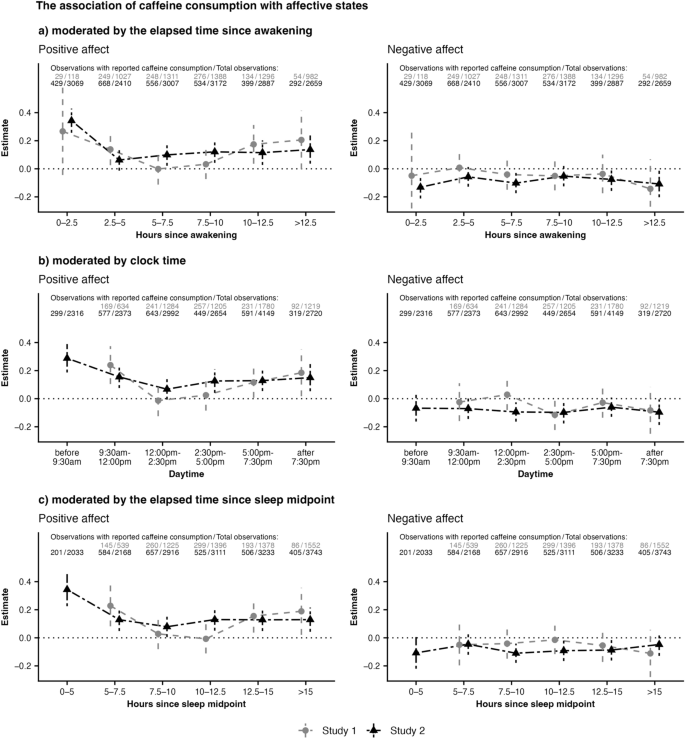
Drink caffeine earlier in the day. Avoid caffeine late in the afternoon or evening. Caffeine late at night can disturb sleep. Good sleep helps energy and focus the next day. Pay attention to how timing affects your rest.
Alternatives To Caffeine
Try herbal teas or warm water with lemon. These drinks hydrate and refresh without caffeine. Exercise can boost energy naturally. Short walks or stretches help wake you up. Sleep and healthy food also support good energy levels.
Benefits Of Knowing Your Sensitivity
Knowing your caffeine sensitivity helps you make smarter choices daily. It lets you enjoy caffeine without the side effects. You can find the right amount that boosts your body and mind.
This knowledge supports better habits. It keeps your energy steady and prevents crashes. It also helps you avoid issues like jitteriness or upset stomach.
Improved Energy Levels
Understanding your sensitivity means you can pick the best caffeine dose. This gives you steady energy throughout the day. You avoid highs and lows that drain your strength. Energy feels natural and lasts longer.
Better Sleep Quality
Caffeine can harm sleep if taken too late or in large amounts. Knowing your limit helps you stop caffeine early. Your body relaxes more at night. Sleep becomes deeper and more restful. You wake up feeling refreshed.
Enhanced Overall Health
Too much caffeine may cause heart racing or anxiety. Using the right amount reduces these risks. Your body stays calm and balanced. It supports your heart and digestive health. You feel healthier and more comfortable daily.
Frequently Asked Questions
What Causes Individual Sensitivity To Caffeine?
Individual caffeine sensitivity is mainly due to genetic differences. Variations in genes affect how quickly your body metabolizes caffeine. Other factors include age, body weight, and tolerance levels. These differences explain why caffeine affects people uniquely.
How Does Caffeine Affect Sensitive Individuals Differently?
Sensitive individuals may experience stronger effects like jitteriness, insomnia, or rapid heartbeat. Their bodies process caffeine slower, causing prolonged stimulation. This heightened reaction can impact sleep and daily functioning, requiring careful caffeine intake management.
Can Caffeine Sensitivity Change Over Time?
Yes, caffeine sensitivity can change. Factors like age, hormone levels, and regular caffeine consumption influence sensitivity. Tolerance may increase with frequent use, while sensitivity can rise during pregnancy or illness.
How Can I Test My Caffeine Sensitivity?
You can test sensitivity by monitoring your body’s response to small caffeine amounts. Note changes in alertness, heart rate, or sleep patterns. Consulting a healthcare professional for genetic testing is also an option.
Conclusion
Everyone reacts to caffeine in a different way. Some feel awake quickly, while others barely notice. This depends on genes, health, and habits. Knowing your own sensitivity helps you enjoy caffeine safely. Listen to your body’s signals and adjust your intake.
Small changes can improve sleep and reduce jitters. Understanding caffeine better leads to smarter choices. Keep track of how caffeine affects you daily. This simple step makes a big difference in your well-being.