
As an Amazon Associate I earn from qualifying purchases.
Have you ever wondered why a night of drinking leaves you feeling tired but never truly rested? The answer lies in how alcohol affects your REM sleep—the deep, restorative stage your body and mind desperately need.
If you want to understand why your sleep feels off after drinking and how it impacts your health, this article will reveal the surprising connection between alcohol and REM sleep suppression. Keep reading to discover what’s really happening while you sleep and what you can do to protect your rest.
Quick Navigation
How Alcohol Affects Rem Sleep
Alcohol changes the way your body sleeps. It can reduce the amount of REM sleep you get each night. REM sleep is very important for your brain and body recovery. Understanding how alcohol affects REM sleep helps you make better choices for your health.
Stages Of Sleep And Their Importance
Sleep happens in stages. Each stage has a special role in rest and healing. The main stages are light sleep, deep sleep, and REM sleep. Light sleep helps your body relax. Deep sleep repairs muscles and strengthens the immune system. REM sleep supports memory and mood. All stages work together to keep you healthy.
Alcohol’s Impact On Sleep Cycles
Alcohol changes the normal sleep cycle. It may help you fall asleep faster. But it causes more awake moments later. Alcohol reduces deep sleep at the start of the night. It also cuts down REM sleep in the second half. This makes sleep less restful and refreshing.
Rem Sleep Suppression Mechanisms
Alcohol disrupts brain chemicals that control sleep. It lowers the activity of neurons that start REM sleep. This delay means less time spent in REM. Alcohol also increases stress hormones that stop REM sleep. The result is poor dream sleep and less brain rest. Over time, this can harm memory and mood.
Consequences Of Reduced Rem Sleep
Reduced REM sleep due to alcohol can cause many problems. REM sleep is a deep sleep stage. It helps the brain rest and recover. Without enough REM sleep, the body and mind suffer. The effects can be seen in thinking, emotions, and health.
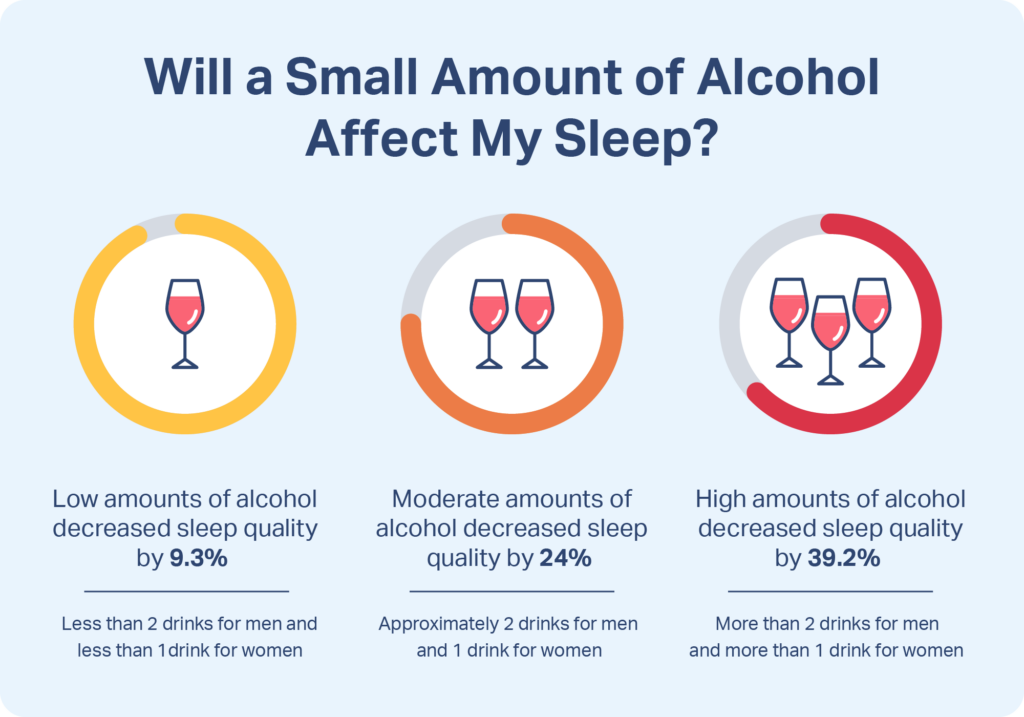
Even small amounts of alcohol before bed can lower REM sleep. This reduction affects how well the brain works and how the body heals. Understanding these consequences can help people make better choices about drinking.
Cognitive Impairment And Memory Issues
REM sleep helps the brain process and store memories. Less REM sleep means weaker memory. People may forget things more often. Focus and problem-solving skills also decline. Tasks become harder to complete. Learning new information takes longer. This can affect work and daily life.
Emotional And Mental Health Effects
REM sleep regulates mood and emotions. Reduced REM can cause irritability and mood swings. Anxiety and depression risks rise with less REM sleep. People may feel more stressed and less calm. Emotional reactions become stronger and harder to control. This harms relationships and overall happiness.
Physical Health Risks
REM sleep supports immune function and body repair. Without enough REM, the body heals slower. The risk of heart problems and high blood pressure increases. Hormone balance can be disrupted. This affects appetite and energy levels. Poor REM sleep also raises the chance of weight gain and diabetes.
Signs Of Rem Sleep Disruption
REM sleep is a vital part of the sleep cycle. It helps the brain rest and process memories. Alcohol can interrupt this stage, causing REM sleep disruption. Knowing the signs helps you understand how alcohol affects your sleep quality.
Common Symptoms To Watch For
Feeling tired during the day is a key sign. You may also have trouble focusing or remembering things. Mood changes like irritability or anxiety can appear. Nightmares or vivid dreams often increase. Sometimes, you might wake up feeling unrested. These symptoms suggest REM sleep is not working well.
How To Track Sleep Quality
Use a sleep diary to note your sleep times and feelings. Wearable devices can measure sleep stages and duration. Many apps track sleep and show patterns over time. Pay attention to how you feel after waking up. Tracking helps spot REM sleep problems early. It also guides changes to improve sleep quality.
Long-term Risks Of Alcohol-induced Rem Suppression
Alcohol can reduce REM sleep, the stage where dreaming and brain restoration happen. This effect might seem small at first. Yet, over time, alcohol-induced REM suppression can cause serious health problems. These risks affect sleep quality, mental health, and addiction potential. Understanding these long-term risks helps protect your body and mind.
Chronic Sleep Disorders
Regular alcohol use disrupts the natural sleep cycle. It lowers REM sleep, which is key for memory and emotional health. Over time, this can lead to chronic insomnia and poor sleep quality. People may feel tired even after a full night’s rest. Sleep disorders become harder to treat with ongoing alcohol use.
Increased Risk Of Addiction
Alcohol’s effect on REM sleep changes brain chemistry. These changes can increase cravings for alcohol. The brain tries to restore lost REM sleep by seeking more alcohol. This cycle raises the risk of developing alcohol dependence. Breaking this cycle requires professional help and lifestyle changes.
Impact On Overall Wellbeing
Less REM sleep affects mood and cognitive function. It can cause anxiety, depression, and memory problems. Physical health also suffers, including immune system weakness. Chronic REM suppression links to higher risks of heart and metabolic diseases. Maintaining healthy sleep supports overall wellness and longevity.
Strategies To Protect Rem Sleep
Protecting REM sleep is important for good health and clear thinking. Alcohol can reduce REM sleep, making rest less refreshing. Using simple strategies can help keep REM sleep strong and steady.
Limiting Alcohol Consumption
Cutting down on alcohol helps maintain healthy REM sleep cycles. Drinking less in the evening reduces sleep interruptions. Avoiding alcohol close to bedtime supports deeper sleep stages. Small changes in drinking habits can improve sleep quality fast.
Improving Sleep Hygiene
Good sleep habits boost REM sleep naturally. Set a regular bedtime and wake time every day. Keep the bedroom dark, quiet, and cool for better rest. Avoid screens and bright lights before sleep. Relax with calm activities like reading or soft music.
Seeking Professional Help
Talk to a doctor if sleep problems continue. Sleep specialists can find hidden issues affecting REM sleep. They may suggest tests or treatments to improve sleep health. Getting expert advice helps protect REM sleep over the long term.

Myths And Facts About Alcohol And Sleep
Many people believe alcohol helps them sleep better. This idea is common but not fully true. Alcohol changes how the brain works during sleep. It can stop deep, restful sleep stages, especially REM sleep. Understanding myths and facts about alcohol and sleep helps make smarter choices.
Common Misconceptions
Some think alcohol acts as a sleep aid. It may make you feel sleepy fast. But it often causes restless sleep later. Others believe alcohol improves sleep quality. The truth is, it reduces important sleep stages. Many say a drink before bed helps relaxation. Alcohol can relax muscles, but it harms brain activity during sleep.
Scientific Findings
Research shows alcohol cuts down REM sleep. REM sleep is crucial for memory and mood. Without enough REM, you may feel tired and moody. Studies find alcohol causes more awakenings at night. It can also cause breathing problems during sleep. Scientists warn that alcohol disrupts natural sleep patterns. Even small amounts can affect sleep quality negatively.

Frequently Asked Questions
How Does Alcohol Affect Rem Sleep Quality?
Alcohol disrupts REM sleep by reducing its duration and intensity. This suppression leads to less restorative sleep and impacts memory and mood negatively.
Can Alcohol Consumption Cause Long-term Rem Sleep Suppression?
Yes, chronic alcohol use can cause persistent REM sleep reduction. Over time, this harms cognitive function and emotional regulation.
Why Does Alcohol Reduce Rem Sleep In The First Half Of Night?
Alcohol initially sedates the brain, delaying REM sleep onset. This causes fragmented sleep and less REM during early sleep cycles.
Does Rem Sleep Suppression From Alcohol Affect Dream Patterns?
Yes, reduced REM sleep decreases dream frequency and vividness. Alcohol alters normal dreaming, which may impact emotional processing.
Conclusion
Alcohol can reduce the quality of your REM sleep. Less REM sleep means your brain and body get less rest. This can lead to tiredness and poor focus during the day. Avoid drinking alcohol close to bedtime to protect your sleep.
Good sleep helps your mood, memory, and overall health. Take care of your sleep to feel better every day. Small changes, like cutting back on alcohol, make a big difference. Sleep well, live well.