
As an Amazon Associate I earn from qualifying purchases.
Have you ever wondered how long caffeine actually stays in your system after that morning cup of coffee? Whether you’re trying to avoid jitters, improve your sleep, or just understand how caffeine affects your body, knowing its timeline can make a big difference.
You’ll discover exactly how caffeine moves through your body and what factors influence how long it sticks around. By the end, you’ll have clear answers to help you make smarter choices about when and how much caffeine you consume. Keep reading to unlock the secrets behind caffeine’s lasting effects on you.
Quick Navigation
Caffeine Absorption Timeline
Caffeine affects the body in stages. Understanding its absorption timeline helps to know how it works. After drinking coffee or tea, caffeine quickly moves into the bloodstream. This process varies by person but generally happens fast. Knowing this timeline can explain why caffeine gives a quick boost.
The effects depend on how fast caffeine enters and peaks in the blood. These stages influence energy, focus, and alertness. Let’s explore the key moments caffeine takes in your body.
How Quickly Caffeine Enters The Bloodstream
Caffeine starts entering the bloodstream within minutes. Usually, it takes about 15 to 45 minutes to absorb. The stomach and small intestine work to absorb caffeine. Drinking on an empty stomach speeds up this process. Eating food can slow caffeine absorption down. Once in the blood, caffeine travels to the brain. This quick entry explains why you feel awake soon after drinking.
Peak Caffeine Levels
Peak caffeine levels occur roughly 30 to 60 minutes after consumption. This is the time when caffeine’s effects are strongest. Your heart rate may increase, and focus sharpens. The peak level depends on dose and body weight. People vary in how fast their bodies process caffeine. After the peak, caffeine slowly leaves the bloodstream. The feeling of alertness then gradually fades away.
Factors Affecting Caffeine Duration
Caffeine affects people differently. The length of time it stays in your system varies. Many factors influence how long caffeine lasts in your body. Understanding these can help you manage your caffeine intake better.
Age And Metabolism
Age plays a big role in caffeine clearance. Younger people usually process caffeine faster. Metabolism slows down with age. Older adults may feel caffeine’s effects longer. Your body’s ability to break down caffeine depends on metabolic rate.
Genetics And Enzyme Activity
Genes control enzymes that break down caffeine. Some people have enzymes that work quickly. Others have slower enzymes, causing caffeine to linger. Genetic differences explain why caffeine affects people differently. This is why one cup of coffee feels different for everyone.
Medication And Health Conditions
Certain medicines affect caffeine breakdown. Some drugs slow the enzymes that process caffeine. Health issues like liver disease also reduce caffeine clearance. This means caffeine stays longer and feels stronger. Always consider your health and medications when consuming caffeine.
Pregnancy And Hormonal Changes
Pregnancy changes how your body handles caffeine. Hormones slow down caffeine metabolism. Pregnant women often feel caffeine’s effects for hours. Experts suggest limiting caffeine during pregnancy. Hormonal shifts can make caffeine stay much longer in your system.
Caffeine Half-life Explained
Caffeine stays in the body for different lengths of time depending on several factors. Understanding the concept of caffeine half-life helps explain this. It shows how long caffeine affects your system and when it starts to fade. This section breaks down what caffeine half-life means and why it matters.
What Half-life Means For Caffeine
The half-life of caffeine is the time it takes for half of the caffeine in your body to break down. For example, if you drink a cup of coffee, half the caffeine will leave your system in this time. The other half takes more time to clear out. This explains why caffeine effects last for hours after drinking it.
Average Half-life Range
On average, caffeine’s half-life is about 3 to 5 hours. This means that after 3 to 5 hours, half of the caffeine remains in your body. After another 3 to 5 hours, half of that remaining caffeine breaks down again. This cycle continues until the caffeine is fully removed from your system.
Variations Among Individuals
Not everyone processes caffeine at the same speed. Age, weight, and liver health can change caffeine’s half-life. Pregnant women and smokers may also experience different breakdown times. Some people feel caffeine effects longer because their bodies clear it more slowly. Understanding this helps explain why caffeine affects people differently.
Effects Of Caffeine Over Time
Caffeine affects your body in different ways over time. At first, it gives you a quick boost of energy. After a while, its effects change and can influence your sleep and mood. Understanding these changes helps you manage caffeine better.
Here are the main effects of caffeine as it moves through your system.
Initial Stimulation And Alertness
Shortly after drinking caffeine, you feel more awake. It blocks a chemical in your brain that makes you sleepy. Your heart rate might increase slightly. Focus and energy improve for a few hours. This is why many people drink coffee in the morning.
Longer-term Impact On Sleep
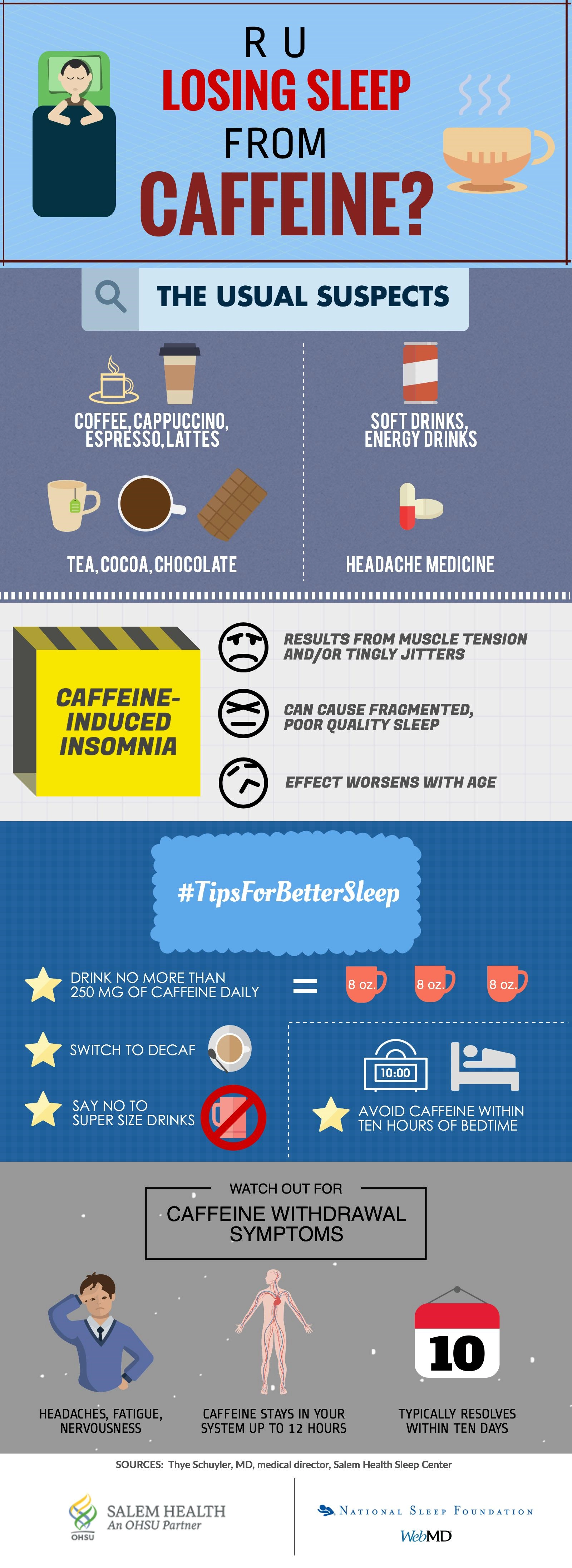
Caffeine stays in your body for several hours. It can make falling asleep harder. Even small amounts late in the day can disturb your rest. Sleep quality may drop, leaving you tired next day. Avoid caffeine at least six hours before bedtime.
Potential Withdrawal Symptoms
Regular caffeine use can cause mild dependence. Skipping caffeine suddenly may lead to headaches. You might feel tired or irritable for a day or two. These symptoms usually pass quickly. Drinking caffeine in moderation can reduce withdrawal risks.
Ways To Speed Up Caffeine Clearance
Caffeine can stay in your body for several hours. Some people want to clear it faster. Certain habits help speed up caffeine clearance. These habits support your body’s natural process.
Hydration And Physical Activity
Drinking plenty of water helps flush caffeine from your system. Water supports kidney function and speeds up elimination. Moving your body boosts metabolism. Exercise increases blood flow, helping your body process caffeine faster. Even light activities like walking can help.
Avoiding Additional Caffeine Intake
Stop consuming caffeine to let your body clear it. Avoid coffee, tea, soda, and energy drinks. More caffeine slows down the clearing process. Your body needs time to break down what you already consumed. Patience is key here.
Dietary Influences
Foods rich in antioxidants help your liver work better. Fresh fruits and vegetables support caffeine metabolism. Avoid heavy, fatty meals as they slow digestion. Some spices like turmeric may also help liver function. A balanced diet supports faster caffeine clearance.
:max_bytes(150000):strip_icc()/Health-GettyImages-HowLongDoesCaffeineStayInYourSystem-07e19038cc1748c89b953bb59a73abf5.jpg)
Caffeine Detection In The Body
Caffeine leaves the body at different rates based on testing methods. Knowing how long caffeine stays helps understand its effects and detectability. The body processes caffeine quickly, but tests can still find traces after hours or days. Each test type detects caffeine differently. Here’s a look at how caffeine shows up in blood, urine, and saliva.
How Long Caffeine Shows In Blood Tests
Blood tests detect caffeine within minutes after drinking coffee or energy drinks. Caffeine peaks in the blood about 30 to 60 minutes after intake. The body clears caffeine from the blood in about 3 to 5 hours. Blood tests can find caffeine for up to 12 hours in some cases. The exact time depends on metabolism and health. Blood tests are accurate but less common for caffeine detection.
Urine And Saliva Testing Windows
Urine tests detect caffeine longer than blood tests. Caffeine and its metabolites appear in urine within 1 to 2 hours. Urine testing can detect caffeine up to 48 hours after consumption. Saliva tests detect caffeine within 1 hour of intake. Saliva testing can find caffeine for about 12 to 24 hours. These tests are easier and less invasive than blood tests. They provide a practical way to check recent caffeine use.
Surprising Facts About Caffeine
Caffeine affects people in many different ways. Some feel alert after a small cup of coffee. Others need more to notice any change. These differences can surprise many. Understanding caffeine better helps us use it wisely.
Caffeine Sensitivity Differences
Not everyone reacts the same to caffeine. Some people feel jittery with little caffeine. Others can drink coffee late without problems. Genes play a big role in this. Age, weight, and health also affect sensitivity. Knowing your limits can prevent unwanted effects.
Unexpected Sources Of Caffeine
Caffeine hides in many foods and drinks. Tea and chocolate contain caffeine too. Some pain relievers and energy drinks have caffeine. Even some soft drinks may surprise you. Check labels to avoid too much caffeine unknowingly.
Myths About Caffeine Metabolism
Many believe caffeine leaves the body fast. It actually takes hours to clear out. Some say caffeine causes dehydration, but it has mild effects. Others think caffeine builds up in the body, but it does not. Learning facts helps avoid confusion about caffeine use.

Frequently Asked Questions
How Long Does Caffeine Stay In Your Bloodstream?
Caffeine typically stays in your bloodstream for 3 to 5 hours. Its half-life varies by age, liver function, and pregnancy. This means caffeine levels reduce by half within this period but can affect your body longer.
When Does Caffeine Peak In Your Body?
Caffeine usually peaks within 30 to 60 minutes after consumption. During this time, you experience the strongest effects like increased alertness and energy. After peaking, caffeine gradually decreases as your body metabolizes it.
How Does Caffeine Half-life Affect Its Duration?
The half-life of caffeine is about 3 to 5 hours in most adults. This determines how long caffeine’s effects last. Factors like smoking or medications can shorten or lengthen this half-life, changing how long caffeine stays active.
Can Caffeine Affect Sleep If Consumed Late?
Yes, caffeine can disrupt sleep if consumed 6 hours before bedtime. It blocks adenosine, a sleep-promoting chemical, leading to difficulty falling asleep. Reducing late caffeine intake improves sleep quality for most people.
Conclusion
Caffeine stays in your body for several hours after drinking. Its effects can last from 3 to 7 hours or more. Many factors change how long caffeine stays, like age, weight, and how much you drink. Knowing this helps you avoid trouble sleeping or feeling jittery.
Everyone’s body works differently, so listen to how you feel. Drink caffeine wisely and enjoy its boost without side effects. Simple awareness can improve your daily routine and health.