
As an Amazon Associate I earn from qualifying purchases.
If you have arthritis, you know how hard it can be to get a good night’s sleep. The right sleep position can make a big difference in easing your pain and helping your body rest.
But which positions are best for you? Choosing the wrong way to lie down might leave you waking up stiff and sore. You’ll discover simple, effective sleep positions designed to reduce arthritis discomfort and improve your sleep quality. Keep reading to find out how small changes in the way you sleep can lead to bigger relief and better days ahead.
Quick Navigation
Effects Of Arthritis On Sleep
Arthritis affects many parts of life, especially sleep. The pain and stiffness from arthritis can make resting hard. Poor sleep can also worsen arthritis symptoms. Understanding how arthritis changes sleep helps find better ways to rest.
Many people with arthritis struggle to find comfort at night. Their joints may ache or feel tight. This can cause frequent waking and less deep sleep. The body needs good sleep to heal and reduce pain.
Pain And Stiffness Challenges
Pain is a common problem for those with arthritis. It can flare up during the night. Stiff joints make moving in bed difficult. Turning or changing positions might increase discomfort. This leads to less restful sleep and more tired mornings.
Stiffness often feels worse after long stillness. Sleep involves long periods of inactivity. Joints can become stiff and sore. This causes difficulty falling asleep or waking up too early.
Impact On Sleep Quality
Arthritis reduces overall sleep quality. People may wake many times during the night. These interruptions stop the deep sleep stages. Without deep sleep, the body cannot repair well. Daytime fatigue and irritability are common results.
Chronic pain from arthritis also causes stress. Stress further harms sleep quality. The cycle of pain and poor sleep can be hard to break. Finding the right sleep position can help reduce these effects.
Best Sleep Positions For Arthritis
Choosing the right sleep position can ease arthritis pain and improve sleep quality. Some positions reduce joint pressure and help keep the body aligned. Good sleep helps the body heal and reduces stiffness in the morning.
Finding a comfortable position can be challenging. Testing different positions helps find what works best for you. Below are some of the best sleep positions for people with arthritis.
Side Sleeping Benefits
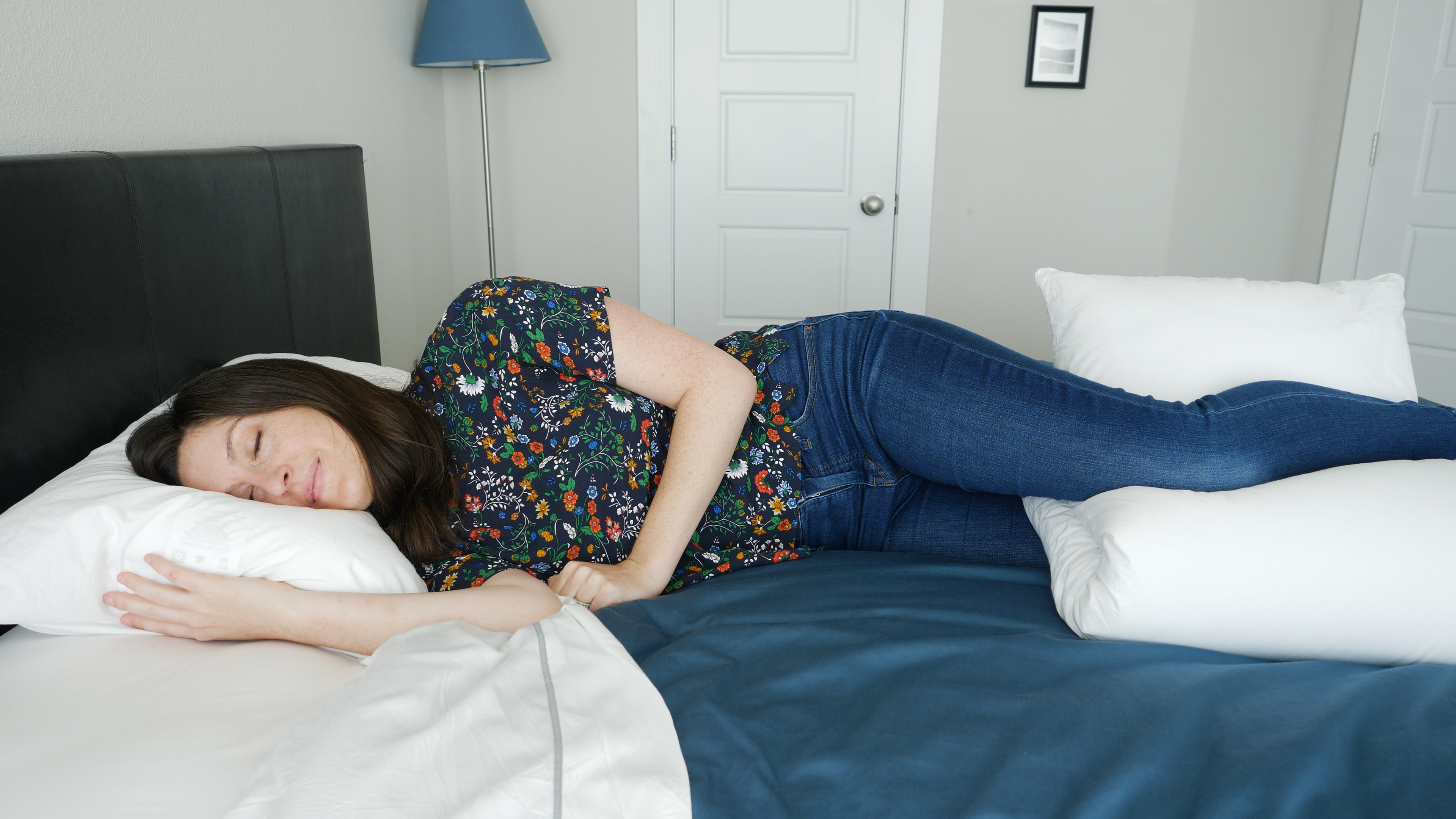
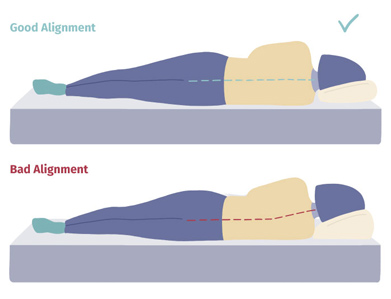
Side sleeping keeps the spine straight and reduces pressure on joints. It helps open airways, making breathing easier. Placing a pillow between the knees supports hip and knee alignment. This position can reduce pain in the hips, knees, and lower back. It also lowers the risk of stiffness in the morning.
Back Sleeping Advantages
Sleeping on the back supports the natural curve of the spine. It spreads weight evenly, reducing joint stress. Using a pillow under the knees can relieve pressure on the lower back. This position helps keep the neck and head aligned. It may reduce arthritis pain in the neck, back, and hips.
Avoiding Stomach Sleeping
Stomach sleeping puts strain on the neck and spine. It can cause misalignment and increase joint pain. This position puts pressure on hips and knees, worsening arthritis symptoms. It also makes breathing difficult due to the face-down position. Avoid stomach sleeping to protect your joints and improve comfort.
Using Pillows For Support
Using pillows for support helps ease arthritis pain during sleep. Proper pillow placement keeps joints aligned and reduces pressure. Pillows can improve comfort and promote restful sleep for arthritis sufferers.
Pillow Placement For Side Sleepers
Side sleepers should place a pillow between their knees. This keeps hips and lower back aligned. Use a firm pillow to prevent knees from touching. A small pillow under the waist can add extra support. These placements reduce strain on hip and knee joints.
Back Support Techniques
Place a pillow under the knees when sleeping on your back. This helps maintain the natural curve of the lower back. Use a small, rolled towel or pillow under the lower back for added support. Keep the head pillow at a medium height to avoid neck pain.
Knee And Leg Support
Elevate legs slightly using pillows to reduce swelling and pain. Place a pillow under the calves, not just the knees. This supports blood flow and eases joint pressure. Avoid thick pillows that bend the knees too much.

Mattress Choices And Arthritis
Choosing the right mattress plays a big role for people with arthritis. The right mattress helps reduce joint pain and supports better sleep. It can ease pressure on sore joints and improve comfort during the night.
The mattress must balance support and softness. Too firm or too soft can cause discomfort. Finding the right mattress type helps protect your joints and gives restful sleep.
Firm Vs Soft Mattresses
Firm mattresses offer strong support for the back and joints. They help keep the spine aligned. But very firm mattresses may press on sensitive joints.
Soft mattresses feel cozy and cushion sore areas. They reduce pressure points on hips and shoulders. Too soft mattresses may cause the body to sink too much.
The best mattress is medium-firm. It supports the body and relieves pressure. This balance suits most people with arthritis.
Memory Foam And Pressure Relief
Memory foam molds to the shape of the body. It spreads weight evenly across the mattress. This reduces pressure on painful joints.
Memory foam is ideal for arthritis pain. It supports hips, knees, and shoulders well. It also absorbs movement, so your partner’s moves don’t disturb sleep.
Adjustable Beds
Adjustable beds change the angle of the head and feet. They allow customized sleeping positions. This can relieve joint stress in different areas.
Raising the legs can reduce swelling and improve circulation. Sitting up slightly helps with breathing and reduces back pain. Adjustable beds offer flexibility for arthritis comfort.
Additional Tips For Better Sleep
Better sleep helps ease arthritis pain and improves daily energy. Small changes in habits can make nights more restful. Follow these tips to create a peaceful sleep routine and reduce discomfort.
Creating A Comfortable Sleep Environment
Choose a mattress that supports your body well. A medium-firm mattress often works best for arthritis. Use pillows to support sore joints and keep your spine aligned. Keep your bedroom cool and dark for better rest. Remove noise or distractions that may wake you up.
Pre-sleep Stretching And Relaxation
Gentle stretches relax muscles and ease joint stiffness. Focus on slow movements targeting affected areas. Try deep breathing or meditation to calm your mind. Avoid intense exercise just before bed. These habits prepare your body for sleep.
Managing Pain Before Bedtime
Take any prescribed pain medication as directed. Apply heat pads to stiff joints to soothe pain. Cold packs can reduce swelling if needed. Avoid heavy meals or caffeine close to bedtime. Consult your doctor about the best pain control plan.
Frequently Asked Questions
What Is The Best Sleep Position For Arthritis Pain?
The best sleep position for arthritis pain is on your back with a pillow under your knees. This posture helps keep your spine aligned and reduces joint stress. Side sleeping with a pillow between the knees is also beneficial for hip and knee arthritis relief.
Can Sleeping Positions Worsen Arthritis Symptoms?
Yes, certain sleep positions can worsen arthritis symptoms. Sleeping on your stomach may strain joints and increase pain. Avoid positions that twist or put pressure on affected joints. Choosing supportive positions can help reduce inflammation and improve sleep quality.
How Can Pillows Help Arthritis Sufferers Sleep Better?
Pillows provide support and reduce joint pressure during sleep. Placing a pillow between knees or under joints helps maintain alignment. This reduces stiffness and discomfort in arthritic joints. Proper pillow use can improve comfort and promote restful sleep for arthritis sufferers.
Is Side Sleeping Good For People With Arthritis?
Side sleeping can be good if done correctly. Use a firm mattress and place a pillow between your knees. This reduces pressure on hips and knees. Avoid curling up tightly, as it can cause joint stiffness and worsen arthritis symptoms.
Conclusion
Finding the right sleep position can ease arthritis pain at night. Side sleeping with a pillow between the knees helps keep joints aligned. Back sleeping with support under the knees can reduce pressure. Avoid positions that twist or strain your body.
Small changes bring big comfort. Try different ways to see what feels best. Good sleep supports your health and daily energy. Keep your body comfortable to rest well every night. Sleep better, live better.