
Have you ever wondered if sleeping on your back is actually good for you? The way you sleep can affect your health more than you might think.
Whether you wake up with aches or struggle to get a restful night, your sleeping position could be the key. You’ll discover the surprising benefits and possible drawbacks of sleeping on your back. Keep reading to learn how this simple habit might improve your sleep quality and overall well-being.
Quick Navigation
Benefits Of Back Sleeping
Sleeping on your back offers many health benefits. It helps your body rest in a natural position. This position supports your muscles and bones well. Many people find back sleeping comfortable and refreshing.
Here are some key benefits of sleeping on your back.
Improved Spinal Alignment
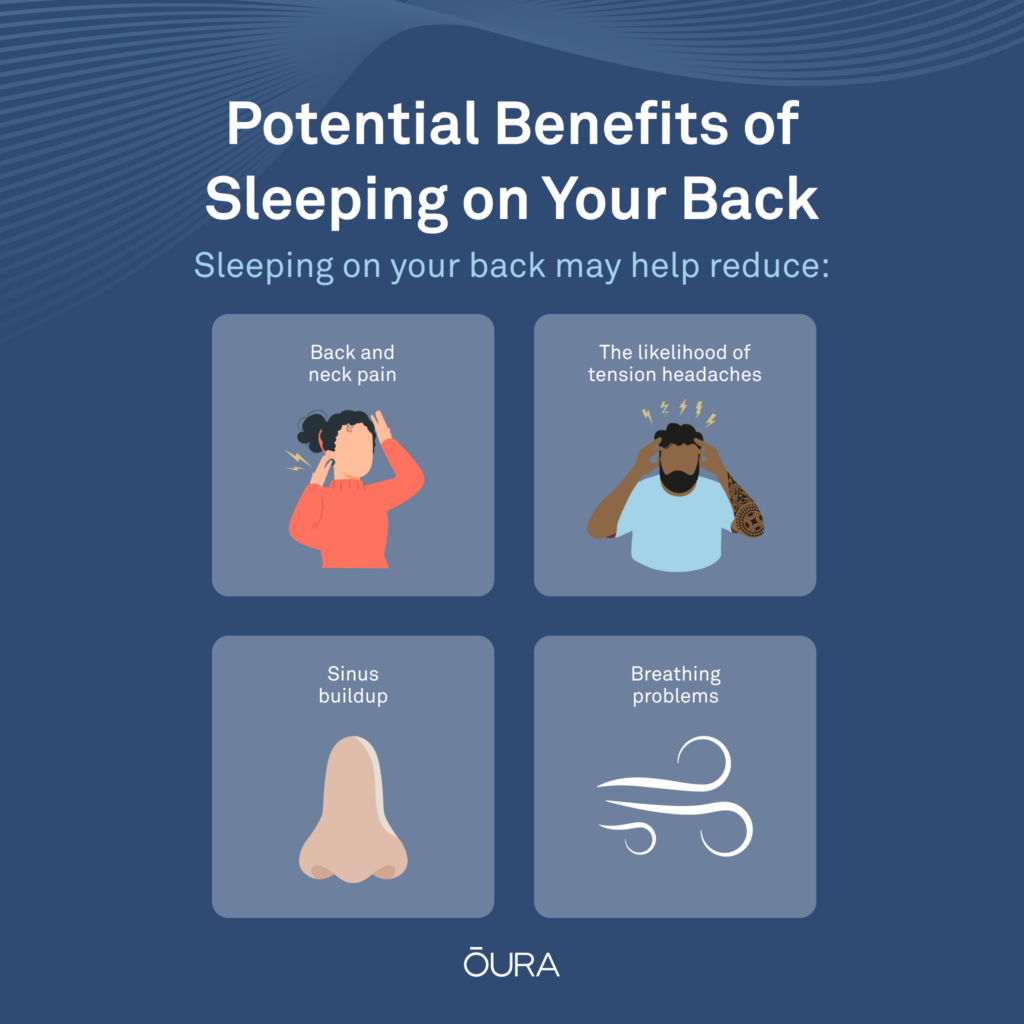
Back sleeping keeps your spine straight. This reduces stress on your back and neck. Proper alignment lowers the chance of pain and discomfort. It helps maintain good posture during sleep.
Reduced Wrinkle Formation
Your face does not press against the pillow. This reduces skin folding and creases. Less pressure on the skin helps prevent wrinkles. Back sleeping keeps your skin smooth and healthy.
Alleviation Of Acid Reflux
Sleeping flat on your back with your head slightly raised can help acid stay in your stomach. This position reduces heartburn and discomfort. It helps improve digestion during sleep.
Minimized Pressure On Joints
Back sleeping distributes weight evenly across your body. This reduces pressure on joints like hips and shoulders. It lowers the risk of joint pain and stiffness. Your body can relax fully in this position.
Potential Drawbacks To Consider
Sleeping on your back may seem like a good idea for many. Yet, it can have some downsides. These potential drawbacks can affect your sleep quality and health. Knowing them helps you decide if this position is right for you.
Increased Snoring And Sleep Apnea Risk
Sleeping on your back can cause your tongue and soft tissues to block your airway. This blockage makes breathing harder. It often leads to snoring. For some, it may trigger sleep apnea, a serious condition where breathing stops briefly during sleep. This reduces oxygen levels and disturbs rest. People with existing breathing issues should be careful with back sleeping.
Discomfort For Pregnant Women
Pregnant women are often advised to avoid back sleeping. This position puts pressure on the large blood vessels. It can reduce blood flow to the baby and cause dizziness for the mother. Back sleeping might also increase the risk of back pain and other discomforts. Side sleeping is usually safer and more comfortable during pregnancy.
Who Should Avoid Back Sleeping
Sleeping on your back is comfortable for many. Yet, it is not good for everyone. Some health issues make back sleeping risky. Knowing who should avoid it helps protect your health. Here are two groups that should choose other sleeping positions.
People With Sleep Apnea
Back sleeping can worsen sleep apnea symptoms. The tongue and soft tissues fall back, blocking the airway. This causes breathing pauses during sleep. These pauses lower oxygen levels and disturb rest. Side sleeping keeps the airway clearer and eases breathing. People with sleep apnea should avoid back sleeping to prevent these problems.
Individuals With Chronic Back Pain
Back sleeping can increase pressure on the spine. It may worsen pain in the lower back. The mattress might not support the natural curve of the spine well. Side or stomach sleeping often reduces back pain. Those with chronic back pain should try other sleeping positions for better comfort and relief.
Tips For Transitioning To Back Sleeping
Changing your sleep position to back sleeping can improve your health. It may ease neck and back pain and reduce wrinkles. The change might take time and effort. Use these tips to make the switch easier and more comfortable.
Choosing The Right Pillow
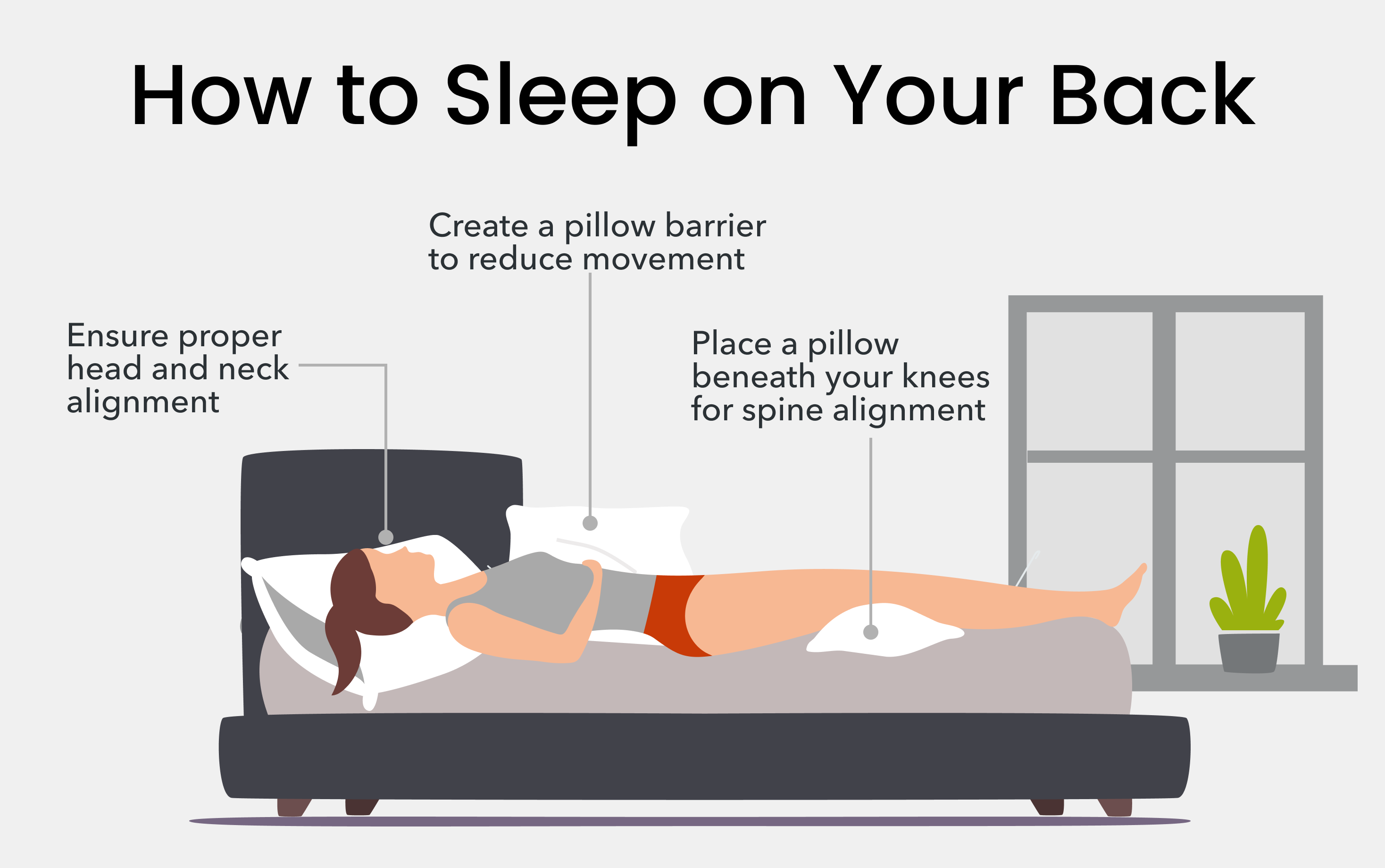
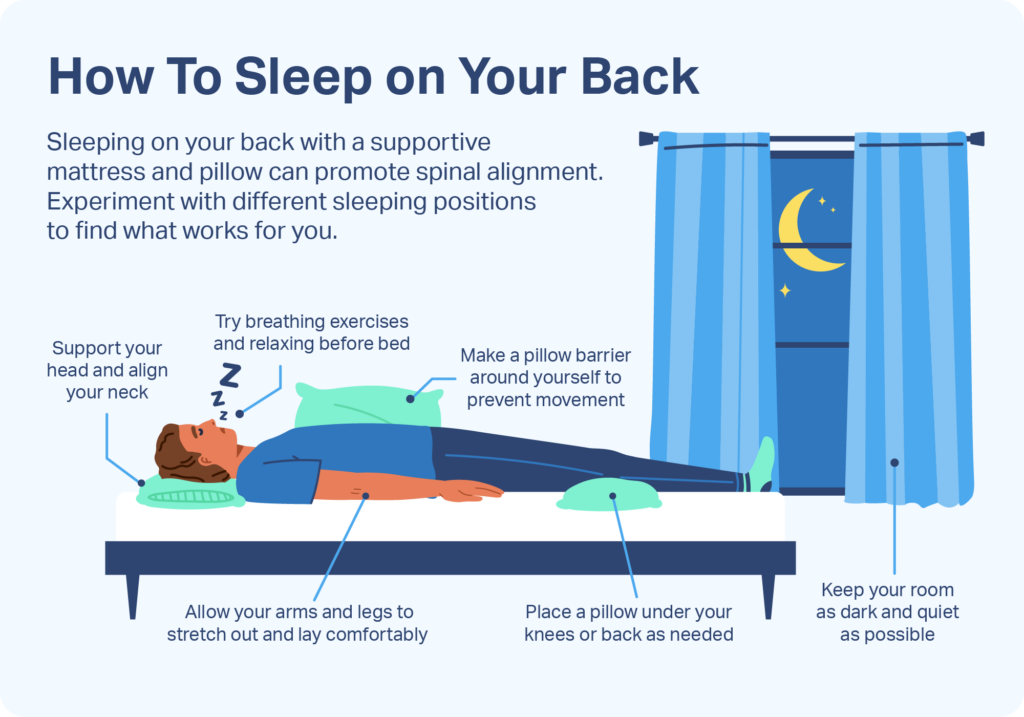
Select a pillow that supports your neck and head well. Too high or too low can cause strain. Look for pillows made of memory foam or latex. These keep your head in a natural position. A pillow under your knees can reduce lower back pressure. It helps keep your spine aligned and relaxed.
Positioning Techniques
Start by lying on your back with arms at your sides. Use pillows to stop you from rolling over. Place one pillow on each side of your body. This creates a barrier to keep you on your back. Try to keep your legs straight or slightly bent. Practice this position for short periods during the day. It trains your body to get used to back sleeping.
Maintaining Consistent Sleep Habits
Go to bed and wake up at the same time daily. Consistency helps your body adjust faster. Avoid heavy meals and screens before bedtime. Create a calm and dark sleep environment. If you wake up on your side or stomach, gently return to your back. Keep practicing night after night. Your body will learn to stay in this healthy position.
Comparing Sleep Positions
Choosing the right sleep position affects your health and comfort. Each position has benefits and drawbacks. Understanding these can help improve your sleep quality and reduce pain.
Let’s compare back sleeping with side and stomach sleeping. This way, you can see which option suits you best.
Back Vs. Side Sleeping
Back sleeping keeps your spine straight and reduces pressure points. It helps prevent neck and back pain. This position also lowers acid reflux risk by keeping your head elevated.
Side sleeping is popular and often recommended for better breathing. It reduces snoring and sleep apnea symptoms. People with certain health issues may find side sleeping more comfortable.
However, side sleeping can cause shoulder pain or wrinkles. It may also lead to stiffness in the hips. Choosing a good pillow can improve comfort in both positions.
Back Vs. Stomach Sleeping
Sleeping on your back supports the natural curve of your spine. It avoids twisting your neck and reduces joint pain. This position helps keep your face free from pressure, reducing wrinkles.
Stomach sleeping often causes neck strain because you must turn your head. It puts pressure on muscles and joints, leading to pain. This position can worsen back problems due to poor spinal alignment.
People who sleep on their stomach may snore less, but the risks often outweigh this benefit. Using a thin pillow or no pillow helps reduce neck strain if you sleep on your stomach.
Frequently Asked Questions
Is Sleeping On Your Back Good For Your Spine?
Yes, sleeping on your back keeps your spine aligned. It reduces pressure on joints and muscles. This position helps prevent back and neck pain, promoting better posture and spinal health during sleep.
Does Back Sleeping Reduce Wrinkles And Skin Aging?
Sleeping on your back minimizes face contact with the pillow. This prevents skin creases and reduces wrinkle formation. It also helps maintain smoother skin by avoiding pressure and friction during sleep.
Can Sleeping On Your Back Worsen Snoring Or Sleep Apnea?
Yes, back sleeping can worsen snoring and sleep apnea. It causes the tongue to block the airway more easily. People with breathing issues should consider side sleeping to improve airflow and reduce symptoms.
Is Back Sleeping Safe During Pregnancy?
Back sleeping is not recommended during late pregnancy. It can compress major blood vessels, reducing blood flow to the baby. Side sleeping, especially on the left side, is safer and improves circulation for mother and baby.
Conclusion
Sleeping on your back has clear benefits for spine health and breathing. It helps keep your body aligned and may reduce wrinkles. Some people might find it less comfortable or face snoring issues. Trying different positions can help you find what suits you best.
Remember, good sleep matters most for your health. Choose what feels right and lets you rest well each night.