
As an Amazon Associate I earn from qualifying purchases.
Have you ever felt like no matter how hard you try, you just can’t catch up on sleep? If you’re regularly missing out on rest, your body is quietly paying a heavy price.
Chronic sleep deprivation isn’t just about feeling tired—it can affect your heart, brain, mood, and even your immune system. Understanding what happens inside your body when you don’t get enough sleep could be the key to protecting your health. Keep reading to discover the surprising and serious effects that ongoing lack of sleep has on you—and why making sleep a priority is more important than you might think.
Quick Navigation
Impact On Brain Function
Chronic sleep deprivation harms the brain in many ways. Lack of sleep reduces the brain’s ability to work well. It affects thinking, memory, mood, and focus. Understanding these effects helps us see why sleep is so important.
Memory Loss And Cognitive Decline
Sleep helps the brain store new information. Without enough rest, memory weakens. People find it hard to remember names, dates, and details. Long-term sleep loss may speed up mental decline. This can affect learning and decision-making skills.
Mood Swings And Mental Health
Sleep deprivation changes brain chemistry. It causes irritability and mood swings. Anxiety and depression risks increase with poor sleep. Emotional control becomes difficult. The brain struggles to handle stress and negative feelings.
Reduced Attention And Alertness
Sleep loss lowers alertness and focus. Concentration on tasks drops sharply. Reaction times slow down, making daily activities unsafe. It is harder to stay awake and alert. This affects work, driving, and school performance.
Effects On Immune System
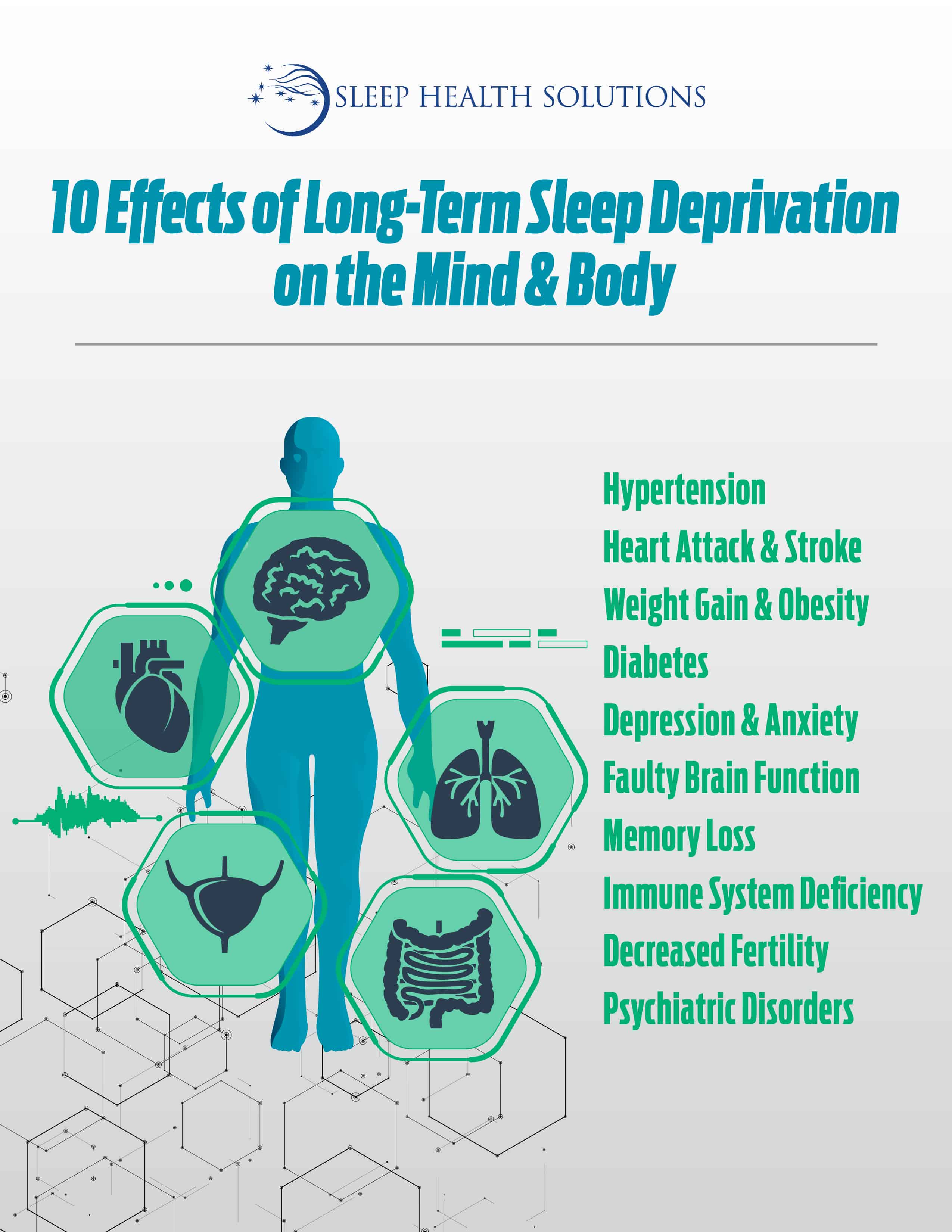
Chronic sleep deprivation weakens the immune system. The body loses its ability to fight germs and viruses. This makes people more likely to catch illnesses. The immune system also takes longer to recover after being sick. Sleep is essential for the body to stay healthy and defend itself.
Increased Infection Risk
Sleep loss reduces the number of infection-fighting cells. The body produces fewer antibodies, making it easier to get sick. People who don’t sleep enough catch colds and flu more often. Their immune response slows down, allowing infections to spread faster. Regular poor sleep increases vulnerability to various illnesses.
Slower Healing Process
Without enough sleep, the body heals wounds more slowly. Tissue repair and cell regeneration require good rest. Sleep deprivation delays the recovery from injuries and surgeries. The immune system’s repair functions weaken, causing longer healing times. Restorative sleep helps the body fix damage quickly and efficiently.
Cardiovascular Consequences
Chronic sleep deprivation affects more than just feeling tired. It harms the heart and blood vessels. The body needs sleep to repair and maintain the cardiovascular system. Without enough rest, serious health problems can develop. Understanding these effects helps to see why sleep matters so much.
Below are key cardiovascular issues caused by not getting enough sleep over time.
High Blood Pressure
Sleep helps control blood pressure. Without enough sleep, blood pressure stays high for longer periods. High blood pressure makes the heart work harder. This extra strain damages arteries and the heart muscle. Over time, this can lead to more serious heart problems. People who sleep less than six hours often have higher blood pressure.
Elevated Risk Of Heart Disease
Chronic sleep loss increases the chance of heart disease. The body produces stress hormones when sleep is short. These hormones harm heart health. Sleep deprivation also raises inflammation in the body. Inflammation can cause artery damage and blockages. This raises the risk of heart attacks and strokes. Getting enough sleep helps protect the heart from these risks.
Metabolic Disruptions
Metabolic disruptions are common effects of chronic sleep deprivation. Missing sleep alters how the body processes energy. It changes hormone levels that control hunger and fat storage. These changes can lead to serious health problems over time.
Sleep affects metabolism by balancing key hormones like leptin and ghrelin. Leptin signals fullness, while ghrelin increases hunger. Lack of sleep lowers leptin and raises ghrelin, making you feel hungrier. This imbalance often causes overeating and unhealthy food choices.
Weight Gain And Obesity
Sleep deprivation can increase the risk of weight gain. The body stores more fat due to hormonal shifts. Fat cells become more active, leading to extra weight. Tired people often crave high-calorie foods. This behavior adds to the problem, raising obesity risk.
Diabetes And Insulin Resistance
Chronic lack of sleep harms blood sugar control. It reduces the body’s sensitivity to insulin. Insulin resistance makes it harder to manage glucose levels. This condition raises the chance of developing type 2 diabetes. Good sleep helps keep blood sugar and insulin balanced.
Hormonal Imbalances
Chronic sleep deprivation disrupts the body’s hormone balance. Hormones control many vital functions. Lack of sleep causes serious shifts in these chemicals. These changes affect mood, energy, and overall health. Understanding how sleep loss alters hormones helps explain its dangers.
Stress Hormone Surge
Sleep loss triggers a rise in stress hormones. Cortisol, the main stress hormone, increases sharply. High cortisol levels keep the body alert and tense. This response harms the immune system and raises blood pressure. The body struggles to relax and recover without enough sleep.
Impact On Growth And Appetite Hormones
Growth hormone, vital for tissue repair, drops with poor sleep. This slows healing and muscle growth. At the same time, appetite hormones get out of balance. Ghrelin, which boosts hunger, rises. Leptin, which signals fullness, falls. This shift leads to overeating and weight gain. Chronic sleep loss harms both growth and metabolism.
Physical Appearance Changes
Chronic sleep deprivation affects more than just energy levels. It changes how you look physically. Lack of sleep shows on your face and skin. These changes can appear quickly or over time. Understanding these effects helps you see why good sleep matters.
Premature Aging
Sleep helps the body repair itself every night. Without enough rest, the skin loses its ability to fix damage. Fine lines and wrinkles form faster. The face may look older than the real age. Eyes can appear sunken and tired. This premature aging happens because the body lacks time to regenerate cells.
Skin Problems
Sleep deprivation causes skin to become dull and dry. It lowers blood flow to the skin’s surface. This reduces the skin’s natural glow. Dark circles and puffiness often appear under the eyes. Breakouts and acne can worsen due to higher stress hormones. The skin also loses moisture and becomes less elastic. All these problems make the skin look unhealthy and tired.
Long-term Health Risks
Chronic sleep deprivation harms the body over time. Lack of sleep affects many systems in the body. It increases the risk of serious health problems. The effects build up slowly and can be severe.
Long-term sleep loss weakens the immune system. It also disrupts hormone balance. These changes make the body vulnerable to diseases. The brain and heart suffer the most damage.
Chronic Diseases
Sleep deprivation raises the chance of developing chronic diseases. It can lead to heart disease by raising blood pressure. Diabetes risk grows due to poor blood sugar control. Obesity becomes more likely from hormone imbalance and tiredness. Mental health problems, like depression and anxiety, often worsen. The body loses its ability to repair and recover.
Reduced Life Expectancy
Long-term lack of sleep shortens life expectancy. Studies show people with poor sleep live fewer years. The risk of accidents and injuries also increases. Chronic fatigue harms daily function and safety. Sleep supports cell repair and brain health. Without enough sleep, the body ages faster and breaks down sooner.

Ways To Combat Sleep Deprivation
Chronic sleep deprivation affects the body deeply. It lowers energy, weakens the immune system, and harms mental health. Fighting sleep deprivation requires clear and simple actions. These steps can help restore better sleep and improve daily life.
Improving Sleep Hygiene
Start by creating a calm sleep space. Keep your bedroom dark, quiet, and cool. Use your bed only for sleep, not work or TV. Set a regular sleep schedule. Go to bed and wake up at the same time each day. Avoid screens and bright lights at least one hour before bed. Try relaxing activities like reading or gentle stretches before sleeping.
Lifestyle Adjustments
Limit caffeine and heavy meals near bedtime. Exercise daily, but not too close to sleep time. Avoid naps longer than 20 minutes during the day. Manage stress with meditation or deep breathing exercises. Keep a sleep diary to track habits and find patterns that affect your rest.
When To Seek Professional Help
Persistent sleep problems need medical advice. Visit a doctor if you often feel tired despite rest. Signs include loud snoring, waking gasps, or difficulty staying awake. A sleep specialist can diagnose conditions like sleep apnea or insomnia. Early help can prevent serious health issues and improve quality of life.
Frequently Asked Questions
What Are The Main Effects Of Chronic Sleep Deprivation?
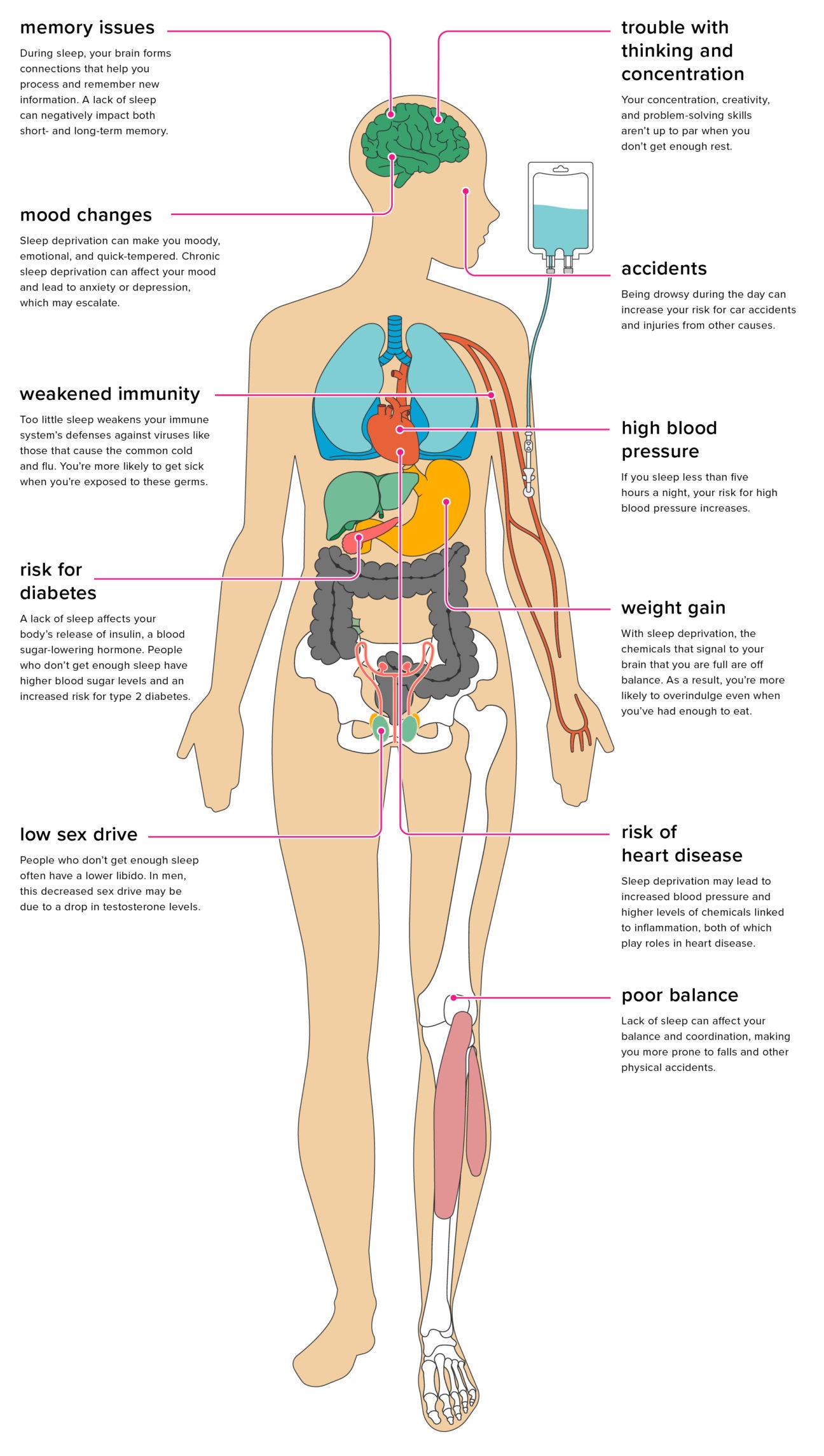
Chronic sleep deprivation reduces cognitive function, weakens immunity, and increases stress. It also raises risks for heart disease, diabetes, and obesity. Lack of sleep disrupts hormone balance and mood stability, impacting overall health and daily performance negatively.
How Does Sleep Deprivation Affect Mental Health?
Sleep deprivation leads to anxiety, depression, and irritability. It impairs memory, focus, and decision-making. Poor sleep worsens emotional regulation and increases vulnerability to mental health disorders, highlighting the need for consistent, quality rest.
Can Chronic Lack Of Sleep Cause Physical Health Problems?
Yes, it increases risks of hypertension, diabetes, and obesity. It weakens the immune system, causing frequent illnesses. Chronic sleep loss also elevates inflammation and disrupts metabolism, contributing to long-term health complications.
How Does Sleep Deprivation Impact The Immune System?
Sleep deprivation lowers white blood cell production and cytokine levels. This weakens the body’s defense against infections. Lack of sleep reduces immune response speed, making recovery from illnesses slower and increasing susceptibility to diseases.
Conclusion
Chronic sleep deprivation harms your body in many ways. It weakens your immune system and slows healing. Your heart and brain also suffer from lack of rest. Memory problems and mood changes become common. Small issues can grow into serious health risks.
Taking sleep seriously protects your body and mind. Prioritize good sleep habits for better health. Rest well to live well.