
As an Amazon Associate I earn from qualifying purchases.
Have you ever wondered why your sleep feels different than it did years ago? Maybe you find it harder to fall asleep or wake up more often during the night.
You’re not alone. As you age, your body changes in ways that affect how you sleep. Understanding these changes can help you improve your rest and feel more energized every day. Keep reading to discover why older adults sleep differently and what you can do to get better sleep starting tonight.
Quick Navigation
Changes In Sleep Patterns
As people age, their sleep patterns change. These changes affect how well they rest at night. Understanding these shifts helps explain why older adults often feel tired during the day.
Sleep does not stay the same over time. It changes in many ways, like the length and quality of sleep stages. These shifts can cause older adults to wake up more and feel less refreshed.
Shift In Sleep Cycles
Older adults often go to bed earlier and wake up earlier. Their internal body clock shifts. This change is called a phase advance. It can make staying asleep through the night harder.
Decrease In Deep Sleep
Deep sleep is the most restful stage. Older adults spend less time in deep sleep. This reduction affects memory and physical repair. Light sleep stages take up more time instead.
More Frequent Awakenings
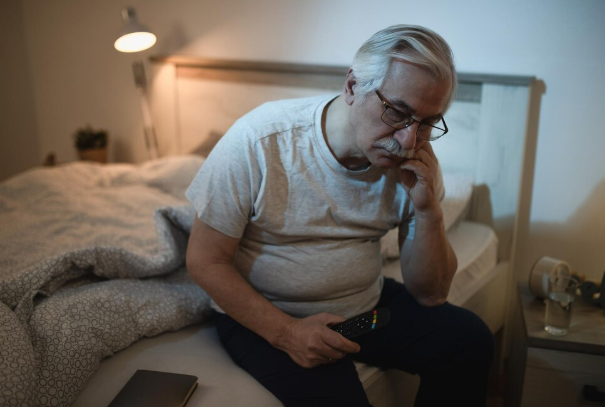
Older adults wake up more often at night. These awakenings can be brief or long. They disrupt sleep and make it harder to get enough rest. Causes include bathroom trips and discomfort.
Biological Factors
Biological factors play a key role in why older adults sleep differently. Changes in the body and brain affect sleep patterns as people age. These changes can reduce sleep quality and cause difficulty falling or staying asleep.
Understanding these biological reasons helps explain common sleep problems in older adults. It also highlights why older adults may need different sleep habits or environments.
Role Of Melatonin
Melatonin is a hormone that controls the sleep-wake cycle. The body makes less melatonin with age. Lower melatonin levels can make it harder to fall asleep. This change shifts the sleep schedule earlier in the evening and morning. Many older adults feel sleepy earlier and wake up too soon.
Impact Of Aging Brain
The brain controls many sleep functions. Aging causes changes in brain areas that regulate sleep. These changes reduce deep sleep, which is the most restful stage. Older adults spend less time in deep sleep and more in lighter sleep stages. This makes sleep less refreshing and can cause frequent awakenings.
Hormonal Influences
Hormones affect sleep patterns throughout life. In older adults, hormone levels change significantly. For example, lower estrogen and testosterone impact sleep quality. These hormonal shifts can lead to night sweats, hot flashes, or discomfort. Such symptoms disrupt sleep and lower overall restfulness.
Common Sleep Disorders
Sleep changes with age. Many older adults face common sleep disorders. These problems affect sleep quality and health. Understanding these disorders helps in managing them better.
Some sleep disorders happen more often in older adults. These include insomnia, sleep apnea, and restless leg syndrome. Each has unique symptoms and effects on sleep.
Insomnia In Older Adults
Insomnia means trouble falling or staying asleep. Older adults often wake up early and cannot sleep again. Stress, pain, and medications can cause insomnia. It can lead to tiredness and mood problems during the day.
Simple changes in routine may help ease insomnia. Keeping a regular sleep schedule and avoiding caffeine at night can improve sleep.
Sleep Apnea Risks
Sleep apnea causes breathing to stop briefly during sleep. This disrupts rest and lowers oxygen levels. Older adults have higher risk due to weight gain and weak throat muscles.
Signs include loud snoring and daytime sleepiness. Sleep apnea can increase heart problems and stroke risk. Treatment options include special devices to keep airways open at night.
Restless Leg Syndrome
Restless leg syndrome (RLS) causes strong urges to move legs. It usually happens at night and stops sleep. Older adults often feel tingling or crawling sensations in legs.
RLS may link to low iron or nerve issues. Light exercise and leg massages may reduce symptoms. Medical help can provide relief and improve sleep quality.
Lifestyle And Environmental Effects
Many lifestyle habits and environmental factors change as people age. These changes can affect how older adults sleep. Understanding these effects helps explain why sleep patterns shift over time.
Small differences in daily routines or surroundings can impact sleep quality. It is important to look at key lifestyle and environmental influences to grasp these sleep changes.
Medication Side Effects
Older adults often take more medications than younger people. Some medicines can cause drowsiness or make it hard to fall asleep. Others might lead to waking up during the night. Side effects from pills can disrupt normal sleep cycles.
Common drugs like blood pressure or pain medications sometimes interfere with rest. Talking to a doctor about these effects can help find better solutions.
Physical Activity Levels
Activity usually decreases with age. Less movement during the day can lower the body’s need for deep sleep. Without enough exercise, falling asleep can take longer. Energy levels drop, and sleep may feel less refreshing.
Even light daily activity can improve sleep quality. Walking or gentle stretching helps regulate sleep patterns and boosts overall health.
Sleep Environment Changes
Older adults often change their sleep surroundings. New beds, rooms, or lighting can affect comfort and rest. Noise sensitivity also grows, making it harder to stay asleep.
Temperature and bedding choices matter too. A cool, quiet, and dark room supports better sleep. Adjusting the environment can make a big difference.
Health Implications
Sleep changes in older adults can affect their health in many ways. These changes may lead to problems in brain function, immunity, and mental well-being. Understanding these health implications helps in managing sleep better for a healthier life.
Cognitive Function And Sleep
Poor sleep can reduce memory and thinking skills in older adults. During deep sleep, the brain clears out harmful waste. Less deep sleep means waste builds up, which may harm brain cells.
This can increase the risk of dementia and other memory problems. Good sleep supports learning, focus, and decision-making. Protecting sleep quality helps keep the brain sharper longer.
Immune System Impact
Sleep helps the body fight infections and heal. Older adults with poor sleep may get sick more often. Lack of rest weakens the immune system’s response to germs.
Sleep also supports vaccination effectiveness. Those who sleep well tend to build better protection from vaccines. Healthy sleep is a simple way to boost natural defenses.
Mental Health Connections
Sleep affects mood and emotional health. Older adults with poor sleep often feel sad or anxious. Sleep problems can worsen depression and stress.
Good sleep improves energy and resilience. It helps maintain a positive outlook and reduces feelings of loneliness. Caring for sleep supports mental strength and happiness.

Tips For Better Sleep
Sleep changes with age. Older adults often find it harder to fall asleep or stay asleep. Good sleep is important for health and mood. Small changes can help improve sleep quality. Here are practical tips to help sleep better every night.
Establishing A Routine
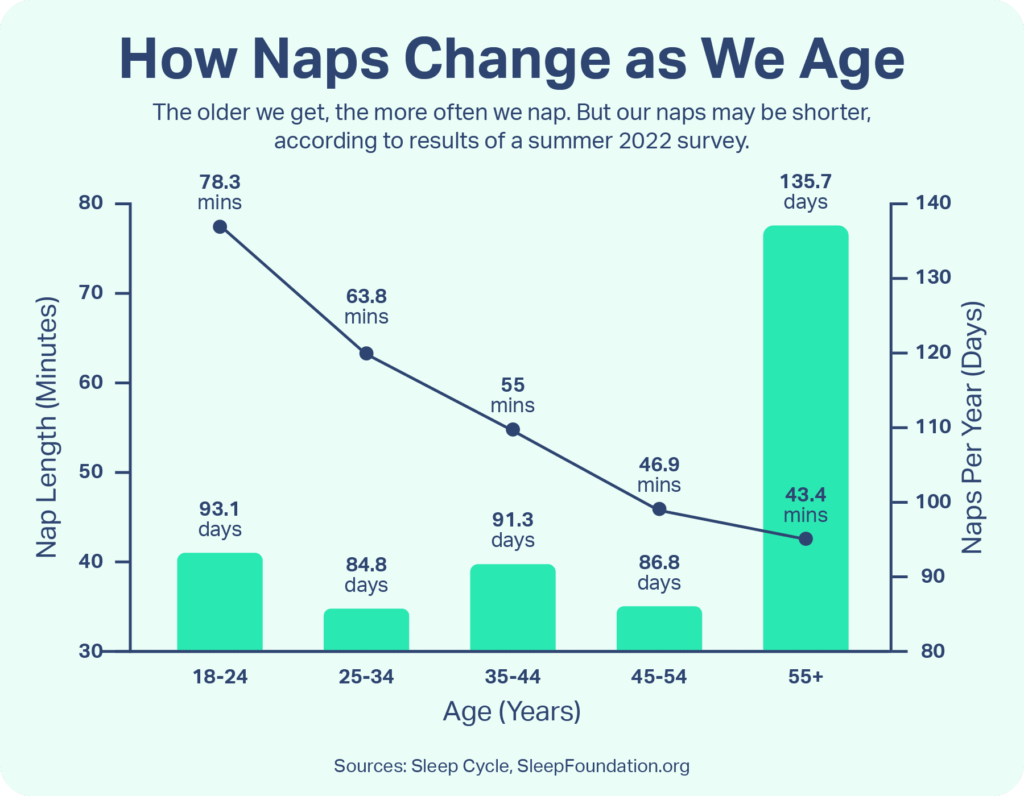
Go to bed and wake up at the same time every day. This helps set your body’s internal clock. Avoid long naps during the day. Try to relax before bedtime with quiet activities. Consistency makes falling asleep easier.
Optimizing Sleep Environment
Keep your bedroom dark, quiet, and cool. Use curtains or an eye mask to block light. Reduce noise with earplugs or a white noise machine. Choose a comfortable mattress and pillows. A good environment supports deeper sleep.
Managing Stress And Anxiety
Stress can make it hard to sleep. Practice deep breathing or meditation before bed. Write down worries to clear your mind. Avoid watching the news or using screens late at night. Calm mind leads to better rest.
Frequently Asked Questions
Why Do Older Adults Sleep Less Deeply?
Older adults experience lighter sleep due to changes in brain activity and reduced melatonin production. These factors decrease deep sleep stages, making rest less restorative.
How Does Aging Affect Sleep Patterns?
Aging shifts the internal body clock earlier, causing earlier sleep and wake times. It also increases nighttime awakenings and reduces total sleep time.
What Health Issues Impact Older Adults’ Sleep?
Conditions like arthritis, sleep apnea, and restless leg syndrome commonly disrupt sleep in older adults. Medications for these conditions can also affect sleep quality.
Can Lifestyle Changes Improve Sleep In Older Adults?
Yes, regular exercise, a consistent sleep schedule, and limiting caffeine can enhance sleep. Creating a relaxing bedtime routine also promotes better rest.
Conclusion
Older adults often experience changes in sleep patterns naturally. Their bodies need less deep sleep and more light sleep. Hormone levels shift, affecting sleep cycles and rhythms. These changes can make falling asleep and staying asleep harder. Understanding why sleep changes helps improve rest and health.
Simple habits, like a regular schedule and a calm environment, support better sleep. Good sleep is key to feeling well and staying active. Paying attention to sleep can boost quality of life for older adults. Sleep changes are normal, but care can make a difference.