
As an Amazon Associate I earn from qualifying purchases.
Have you ever wondered why you feel tired and low on energy even after a full night’s sleep? The secret might lie in how your sleep affects your hormones, especially testosterone and estrogen.
These two powerful hormones play a huge role in your mood, energy, and overall health. If you want to feel stronger, sharper, and more balanced, understanding the connection between your sleep and these hormones is key. Keep reading to discover how better sleep can boost your hormone levels and transform the way you feel every day.
Quick Navigation
Role Of Testosterone And Estrogen
Testosterone and estrogen are vital hormones in the human body. They control many processes. Both affect growth, mood, and overall health. Sleep plays a key role in keeping their levels balanced. Understanding their roles helps explain why good sleep matters.
Functions Of Testosterone
Testosterone mainly affects male development and health. It helps build muscle and bone strength. It controls sex drive and sperm production. Testosterone also impacts energy and mood. Low levels can cause fatigue and low motivation.
Functions Of Estrogen
Estrogen mainly regulates female reproductive health. It controls the menstrual cycle and fertility. Estrogen keeps bones strong and protects the heart. It also affects mood and skin health. Low estrogen can lead to hot flashes and mood swings.
Hormone Balance And Health
Testosterone and estrogen must stay balanced for good health. Imbalance can cause weight gain, mood problems, and low energy. Sleep helps the body produce and regulate these hormones. Poor sleep lowers testosterone and estrogen levels. This impacts physical and mental well-being.
Sleep And Hormone Production
Sleep plays a key role in hormone production in the body. Hormones like testosterone and estrogen depend on good sleep for proper balance. Without enough sleep, hormone levels can drop or become irregular. This affects mood, energy, and overall health.
The body uses sleep time to release and regulate many hormones. Understanding how sleep affects these hormones helps us see why rest is so important. The quality and stages of sleep both impact hormone levels differently.
Hormone Release During Sleep
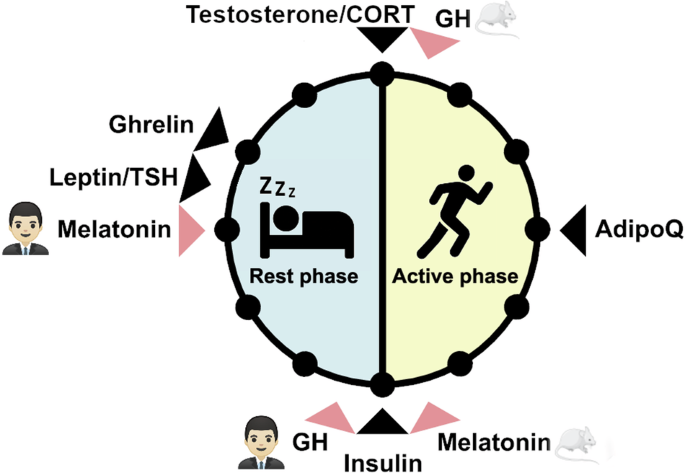
The body releases most hormones during sleep, especially in deep sleep. Testosterone, for example, is mostly produced at night. It reaches its highest level early in the sleep cycle. Estrogen also follows a pattern linked to sleep timing.
Sleep helps the body restore hormone balance. Lack of sleep can reduce hormone production and cause problems. Hormone release is strongest during the first half of the night. This time is critical for hormone health.
Stages Of Sleep Impacting Hormones
Sleep has different stages. Each stage affects hormones in unique ways. Deep sleep, also called slow-wave sleep, is important for testosterone production. During this stage, the body repairs tissues and builds muscle.
Rapid Eye Movement (REM) sleep helps regulate estrogen and other hormones. REM sleep supports brain function and emotional health. Both deep sleep and REM sleep are needed for balanced hormones.
Interruptions in sleep stages can lower hormone levels. Consistent, uninterrupted sleep helps maintain healthy testosterone and estrogen. Good sleep habits protect hormone health and overall well-being.
Effects Of Poor Sleep On Testosterone
Poor sleep can seriously harm testosterone levels in the body. Testosterone is a key hormone for men and women. It helps build muscle, maintain energy, and support mood. Sleep is the time when the body produces most testosterone. Without enough rest, this process breaks down. The effects of poor sleep on testosterone are clear and concerning.
Reduced Testosterone Levels
Sleep loss directly lowers testosterone production. Studies show men who sleep less than five hours have much lower testosterone. Even short-term sleep deprivation can cause drops. The body needs deep, uninterrupted sleep to create testosterone. When sleep is poor, hormone levels fall. This can happen in just one night of bad sleep. Over time, low testosterone can become chronic.
Consequences For Physical And Mental Health
Low testosterone affects many parts of the body. Muscle strength and bone density decrease. Energy and stamina drop, making daily tasks harder. Mental health also suffers. Poor sleep and low testosterone link to mood swings and depression. Memory and focus can weaken. Sexual health may decline due to hormonal imbalance. Overall, poor sleep harms the body’s ability to function well.

Effects Of Poor Sleep On Estrogen
Poor sleep affects many hormones, including estrogen. Estrogen controls many body functions in women and men. Lack of sleep can cause estrogen levels to change. These changes may lead to health problems.
Sleep helps balance hormone production. Without good sleep, the body struggles to keep estrogen steady. This disruption affects overall well-being.
Estrogen Imbalance And Sleep Disruption
Sleep loss can lower or raise estrogen levels. This imbalance disturbs the body’s natural rhythm. Estrogen is sensitive to changes in sleep patterns. Even small sleep disruptions can upset hormone balance.
When sleep is poor, the brain sends mixed signals. These signals confuse hormone production. Estrogen may become unstable, causing mood swings and tiredness. Women often notice changes in their menstrual cycle due to this imbalance.
Health Risks Linked To Estrogen Changes
Estrogen imbalance raises the risk of several health issues. Poor sleep and low estrogen can lead to bone loss. It may increase the chance of osteoporosis. Heart health can also suffer from hormone changes.
Some women face more severe symptoms like hot flashes and night sweats. These symptoms worsen with poor sleep. Long-term estrogen disruption may affect brain function and memory. Keeping a regular sleep schedule helps reduce these risks.
Natural Ways To Boost Hormone Balance
Balancing hormones like testosterone and estrogen naturally helps improve overall health. Sleep plays a key role in this balance. Good sleep supports hormone production and regulation. Poor sleep can lower testosterone and raise estrogen levels. Simple natural steps can help keep hormones in check.
Improving Sleep Quality
Create a calm sleep space. Keep your bedroom dark and quiet. Set a regular bedtime and wake-up time. Avoid screens an hour before bed. Lower room temperature to around 65°F (18°C). Try relaxing activities like reading or deep breathing. These habits help your body produce healthy hormone levels.
Lifestyle Changes For Hormone Health
Exercise regularly but not too close to bedtime. Manage stress with meditation or yoga. Avoid smoking and limit alcohol intake. Stay hydrated throughout the day. Keep a healthy weight to support hormone balance. These changes improve how your body makes and uses hormones.
Nutrition Tips To Support Hormones
Eat foods rich in zinc and vitamin D. Include healthy fats like avocado and nuts. Choose whole grains and plenty of vegetables. Avoid too much sugar and processed foods. Drink enough water every day. Good nutrition fuels hormone production and helps maintain balance.
Monitoring Hormone And Sleep Health
Monitoring hormone and sleep health plays a key role in overall well-being. Sleep affects testosterone and estrogen levels, which influence many body functions. Tracking sleep patterns and hormone balance helps spot issues early. This makes managing health easier and more effective.
Signs Of Hormone Imbalance
Changes in mood, energy, or weight can signal hormone imbalance. Trouble sleeping or feeling tired despite rest may be a warning. Men might notice low libido or muscle loss. Women could experience irregular periods or hot flashes. Paying attention to these signs helps catch problems fast.
When To Seek Medical Advice
Persistent symptoms need professional evaluation. Sudden changes in sleep or hormone-related signs deserve a doctor’s visit. Blood tests can measure hormone levels accurately. Early diagnosis leads to better treatment and fewer complications. Don’t wait if symptoms worsen or affect daily life.

Frequently Asked Questions
How Does Sleep Impact Testosterone Levels?
Quality sleep boosts testosterone production by supporting hormone regulation. Poor sleep lowers testosterone, affecting muscle growth, energy, and mood.
Can Lack Of Sleep Alter Estrogen Balance?
Yes, insufficient sleep disrupts estrogen levels, impacting menstrual cycles and increasing risks of hormonal imbalances and mood swings.
What Is The Ideal Sleep Duration For Hormone Health?
7-9 hours of quality sleep nightly is ideal for maintaining balanced testosterone and estrogen levels.
Does Sleep Quality Affect Male And Female Hormones Differently?
Yes, poor sleep lowers testosterone mainly in men and disrupts estrogen regulation primarily in women.
Conclusion
Sleep plays a key role in keeping hormone levels balanced. Testosterone and estrogen depend on good rest to work well. Poor sleep can lower these important hormones. This may affect energy, mood, and health. Aim for regular, quality sleep every night.
Small changes in sleep habits can help a lot. Remember, your body repairs and grows during sleep. Taking care of sleep is taking care of your hormones too. Sleep well, feel better, live healthier.