
Have you ever noticed how a good night’s sleep makes you feel better, especially when you’re sick or hurt? That’s not just in your head—sleep actually plays a powerful role in helping your body heal faster.
When you rest well, your body works behind the scenes to repair tissues, fight infections, and restore energy. Imagine speeding up your recovery simply by improving your sleep. Curious to know how this works and what you can do to harness the healing power of sleep?
Keep reading, because understanding this secret could change the way you recover from illness or injury.
Quick Navigation
The Science Behind Sleep And Healing
Sleep is not just rest for the body. It is a vital process that helps the body heal. Science shows that sleep plays a key role in fixing and protecting our cells and immune system. Understanding how sleep helps healing can improve recovery after injury or illness.
How Sleep Affects Cell Repair
During sleep, the body works hard to repair cells. Cells damaged by daily stress get fixed while you rest. Growth hormone, which helps build and restore tissue, increases during deep sleep. This hormone boosts cell regeneration and helps wounds heal faster. Without enough sleep, cell repair slows down. This delay can make injuries take longer to heal.
Sleep’s Role In Immune Function
Sleep also supports the immune system. The immune system fights infections and protects the body. During sleep, production of infection-fighting cells rises. These cells include T-cells and cytokines that help fight viruses and bacteria. Lack of sleep lowers immune function and raises infection risk. Good sleep strengthens your body’s defense and speeds recovery from illness.

Stages Of Sleep That Boost Recovery
Sleep is not just rest. It is a time when the body repairs itself. Different sleep stages help the body heal and recover. Each stage has a special role in recovery. Understanding these stages shows why good sleep speeds healing.
Two key stages stand out for recovery: deep sleep and REM sleep. Both support healing in unique ways. Let’s explore how these stages boost your recovery after injury or stress.
Deep Sleep And Tissue Regeneration
Deep sleep is the body’s main healing phase. During this stage, the body releases growth hormones. These hormones help repair muscles and tissues. Cells regenerate faster, fixing damage from daily activities.
The immune system also strengthens during deep sleep. White blood cells increase, fighting infections. This stage reduces inflammation and speeds up healing. Lack of deep sleep slows recovery and weakens the body.
Rem Sleep And Brain Healing
REM sleep mainly heals the brain. It helps process emotions and memories. This stage clears toxins from brain cells. Cleaning the brain supports mental recovery after stress or injury.
REM sleep also improves mood and focus. It helps the brain function better during the day. Getting enough REM sleep keeps your mind sharp and healthy. Both deep sleep and REM sleep are vital for full recovery.
Hormones Released During Sleep
Sleep is not just rest for the mind; it is a powerful time for the body to heal. During sleep, the body releases important hormones. These hormones help repair tissues and reduce damage. They work quietly to make healing faster and more effective.
Growth Hormone And Muscle Repair
Growth hormone is a key player in healing. The body releases it mainly during deep sleep. This hormone helps build and repair muscles. It also supports bone strength and tissue growth. Athletes and injured people benefit a lot from this hormone. It speeds up recovery by fixing damaged cells.
Cortisol Reduction And Inflammation Control
Cortisol is known as the stress hormone. High levels can slow down healing by causing inflammation. During sleep, cortisol levels drop naturally. Lower cortisol means less inflammation and pain. This helps wounds heal faster and reduces swelling. Good sleep keeps cortisol in balance for better recovery.
Sleep Deprivation And Delayed Healing
Sleep deprivation slows down the body’s natural healing process. Without enough rest, the body struggles to repair damaged tissues. Healing wounds need energy, and sleep provides that energy. Lack of sleep means the body cannot work at its best.
Sleep affects many healing functions, such as cell growth and immune response. Poor sleep delays recovery and can cause more health problems. The body needs sleep to fight infections and repair injuries quickly.
Impact On Wound Recovery
Sleep helps the body produce proteins that rebuild skin and tissues. Without enough sleep, the production of these proteins drops. This slows wound closure and increases the chance of scars. The body also releases fewer growth hormones during sleep. These hormones are crucial for tissue repair. Sleep deprivation reduces their release, making wounds heal slower.
Increased Risk Of Infection
Sleep loss weakens the immune system’s ability to fight germs. White blood cells, which protect against infection, drop in number. This makes wounds more likely to get infected. Infections cause pain and further delay healing. The body also has trouble controlling inflammation without sleep. Too much inflammation can damage healthy tissues near wounds.
Tips For Enhancing Sleep Quality
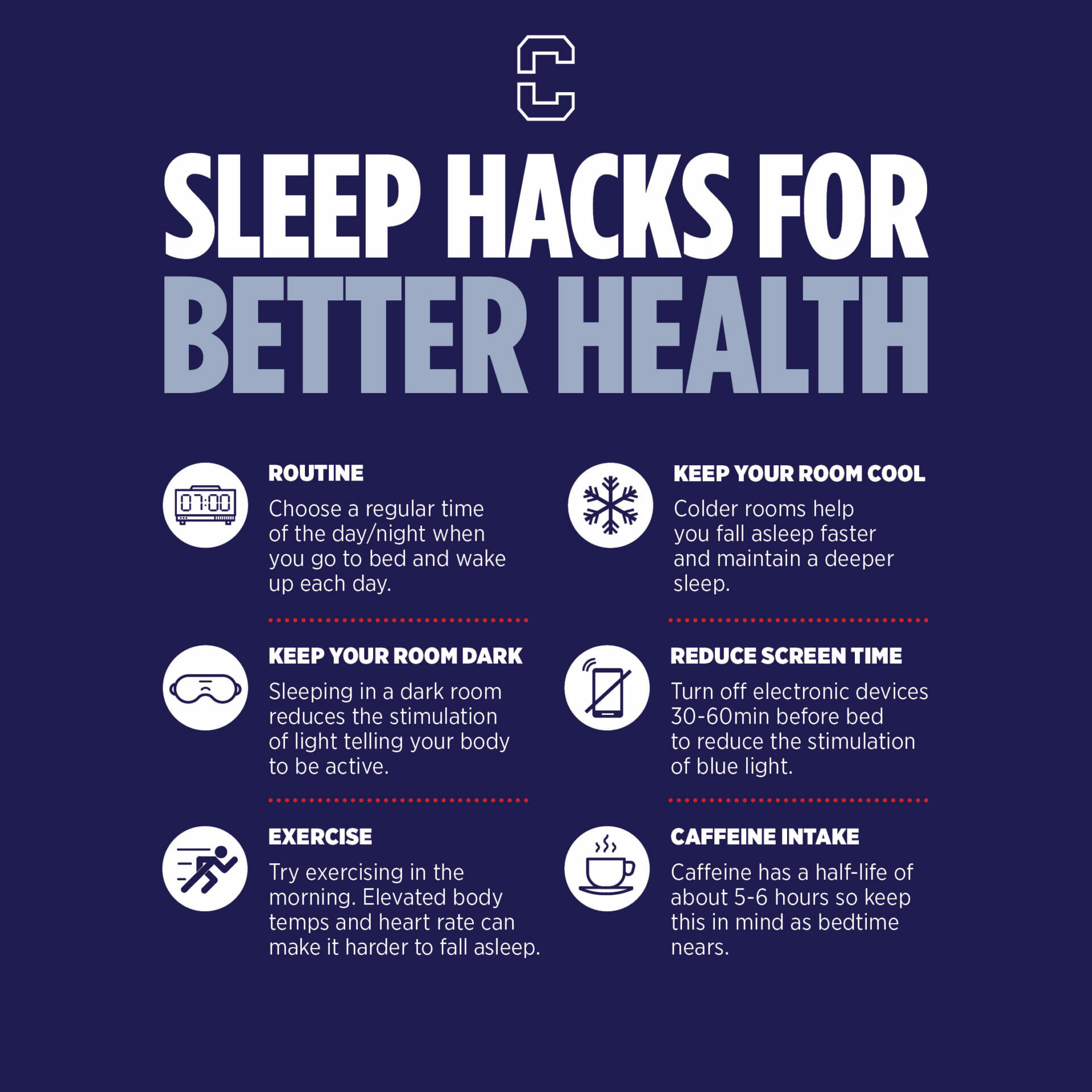
Good sleep improves healing and overall health. Better sleep quality helps your body repair faster and fight illness. Simple changes in habits and environment can boost your rest. Focus on clear steps to sleep well every night.
Creating A Restful Environment
Keep your bedroom dark and quiet. Use heavy curtains or a sleep mask to block light. Turn off noisy devices or use earplugs. Choose a comfortable mattress and pillows. Keep the room cool, around 60 to 67 degrees Fahrenheit. Remove clutter to make the space calm and inviting.
Establishing A Consistent Sleep Routine
Go to bed and wake up at the same time daily. Stick to this schedule even on weekends. Create a relaxing routine before sleep, like reading or gentle stretching. Avoid screens and bright lights one hour before bed. Limit caffeine and heavy meals in the evening. This helps your body know when to rest.
Nutrition And Sleep Synergy
Nutrition and sleep work together to speed up healing. Good food fuels the body. Sleep gives the body time to repair itself. Both are needed for quick recovery.
Eating the right foods helps you fall asleep and stay asleep. Sleep also helps your body use the nutrients from food better. This synergy supports tissue repair, immune function, and overall healing.
Foods That Promote Healing Sleep
Choose foods high in vitamins and minerals. Leafy greens, nuts, and seeds are great choices. They contain magnesium and zinc, which help relax muscles and calm the mind.
Foods rich in protein provide amino acids. These are building blocks for tissue repair. Turkey, chicken, and fish are excellent protein sources.
Fruits like cherries and bananas contain natural melatonin. This hormone regulates your sleep cycle and improves sleep quality.
Supplements To Support Recovery
Some supplements can aid healing and sleep. Melatonin supplements help reset your sleep cycle. They improve sleep quality and duration.
Magnesium helps reduce muscle cramps and supports relaxation. Taking it before bed can improve sleep and recovery.
Omega-3 fatty acids reduce inflammation in the body. Fish oil supplements are a common source. Lower inflammation speeds up healing.
Lifestyle Habits That Support Faster Healing
Healing is a natural process. Certain lifestyle habits can help your body heal faster. Sleep plays a key role in this process. Good habits can improve your sleep quality. Better sleep means quicker recovery from injuries or illness.
Simple changes in daily routines support faster healing. These habits work well with your body’s natural rhythm. They reduce stress and promote rest. Two important habits are exercise timing and stress management.
Exercise Timing And Sleep
Exercise helps the body repair itself. It boosts blood flow and strengthens muscles. Timing matters. Exercising too close to bedtime can make sleep hard. Your body stays alert and cannot relax. Aim to finish exercise at least three hours before sleep. This helps your body cool down. It prepares you for restful sleep. Regular exercise improves sleep quality overall. Better sleep speeds up healing.
Stress Management Techniques
Stress slows healing. It raises stress hormones that block repair. Managing stress helps your body focus on healing. Simple methods work well. Deep breathing calms your mind and body. Meditation reduces tension and improves sleep. Taking short breaks during the day lowers stress. Avoid stressful activities before bed. These habits help you fall asleep faster. Restful sleep lets your body heal better.

Frequently Asked Questions
How Does Sleep Speed Up The Healing Process?
Sleep boosts the body’s repair mechanisms by increasing blood flow to tissues. It enhances cell regeneration and reduces inflammation. During deep sleep, growth hormone release accelerates tissue healing, helping wounds and injuries recover faster.
Why Is Deep Sleep Crucial For Recovery?
Deep sleep allows the body to focus on physical restoration. It triggers growth hormone secretion, which repairs muscles and tissues. This stage reduces stress hormones, aiding faster healing and improving immune response to fight infections effectively.
Can Poor Sleep Delay Wound Healing?
Yes, lack of quality sleep weakens immune function and slows tissue repair. It increases inflammation and stress hormones, hindering recovery. Consistently poor sleep can prolong healing times and increase the risk of complications.
How Does Sleep Affect Immune Function In Healing?
Sleep strengthens immune defenses by promoting the production of infection-fighting cells. It balances cytokine levels, reducing inflammation and supporting recovery. Good sleep ensures the immune system efficiently identifies and repairs damaged tissues.
Conclusion
Sleep plays a key role in helping your body heal fast. It gives your cells time to repair and grow. During sleep, your immune system works better. Your energy levels restore, helping you feel stronger. Lack of sleep slows down healing and recovery.
Prioritizing good sleep supports faster healing and better health. So, make rest a part of your healing process. Your body will thank you with quicker recovery and more energy. Sleep well, heal well.