
Have you ever woken up feeling tired, even after a full night’s sleep? The secret might lie in the kind of sleep you’re getting.
Deep sleep and light sleep are two very different stages, and understanding how they work can change the way you rest—and feel—every day. You’ll discover what sets deep sleep apart from light sleep, why each one matters, and how knowing the difference can help you improve your energy, mood, and health.
Keep reading, because better sleep starts with knowing what’s happening when your eyes are closed.
Quick Navigation
Sleep Stages Explained
Sleep is not just one simple state. It has different stages that our body goes through each night. These stages are important for rest and health. Understanding the difference between deep sleep and light sleep helps us know how sleep affects us.
Each stage has a special role. Some help the brain rest. Others help the body heal. Let’s break down these stages to see what happens during light and deep sleep.
What Is Light Sleep?
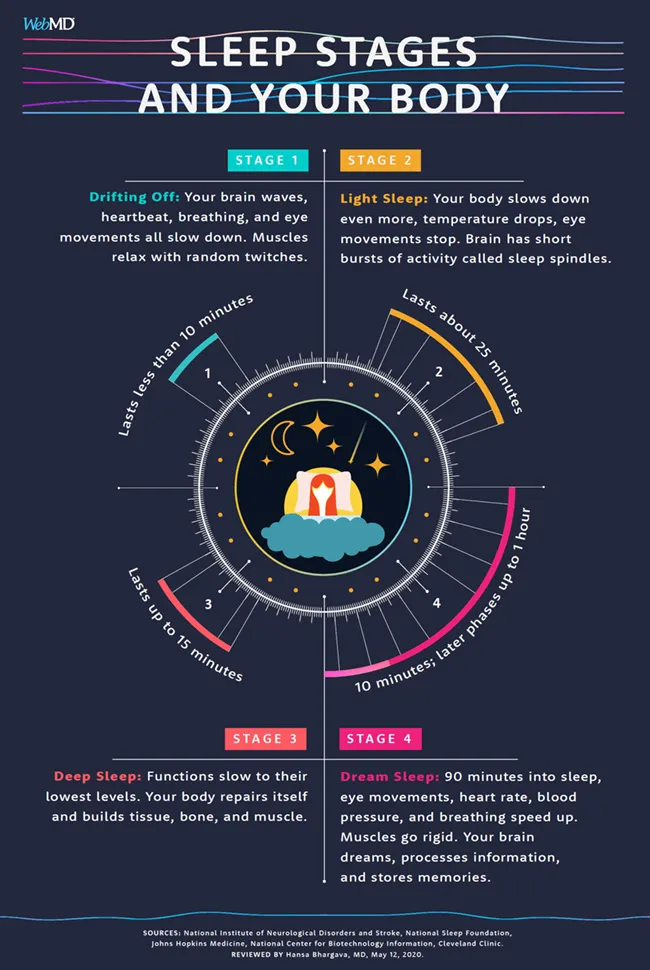
Light sleep is the first stage of sleep. It is easy to wake from this stage. Your body starts to relax. Heart rate and breathing slow down a bit. Muscles begin to loosen. The brain is still somewhat active. This stage helps move the body from being awake to asleep.
What Is Deep Sleep?
Deep sleep is the stage when the body rests the most. It is hard to wake up during this stage. Breathing and heart rate are very slow. Muscles are fully relaxed. The brain shows slow waves on a sleep test. Deep sleep helps repair tissues and build energy. It also supports memory and learning.
How Sleep Cycles Work
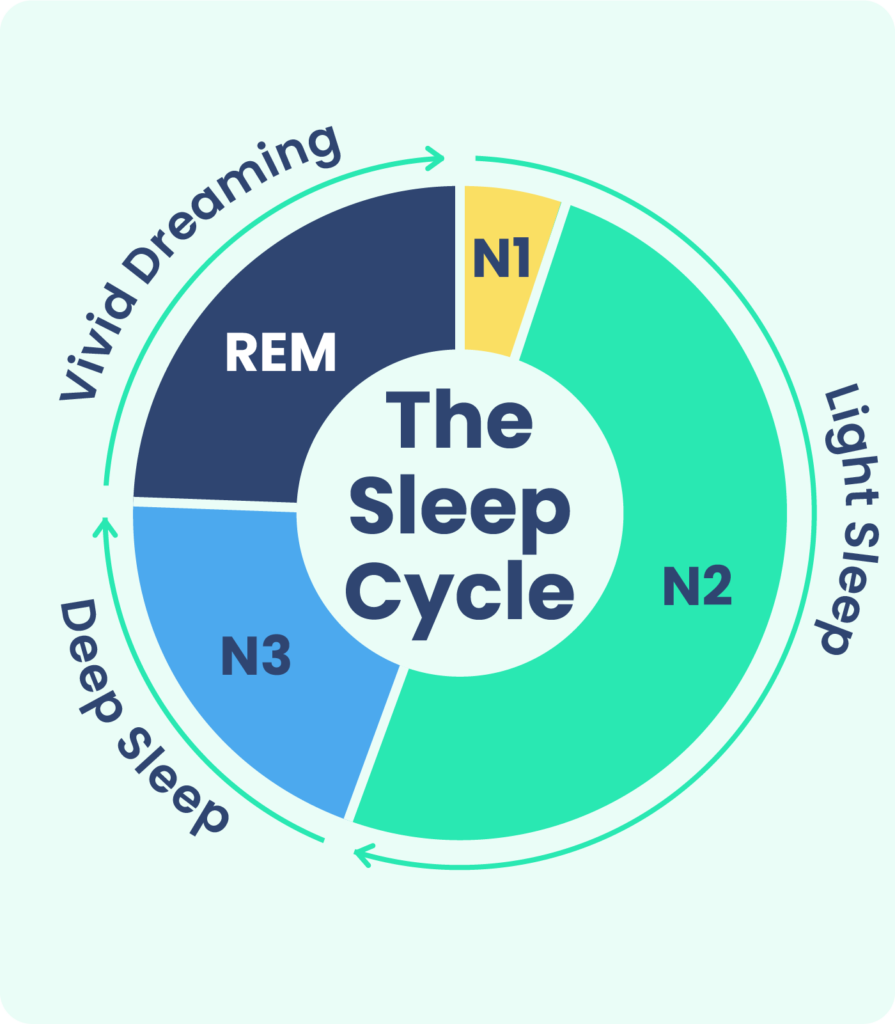
Sleep happens in cycles. Each cycle lasts about 90 minutes. A cycle starts with light sleep, moves to deep sleep, then to REM sleep. The body repeats these cycles several times each night. Early cycles have more deep sleep. Later cycles have more REM sleep. This pattern helps the body and brain recover.
Characteristics Of Light Sleep
Light sleep is the first stage of the sleep cycle. It acts as a bridge between being awake and deeper sleep. This stage helps the body and brain prepare for rest. It usually lasts for several minutes at the start of sleep.
During light sleep, you are still somewhat aware of your surroundings. Your body is relaxed but not fully at rest. Understanding light sleep helps explain how sleep affects health and energy.
Brain Activity During Light Sleep
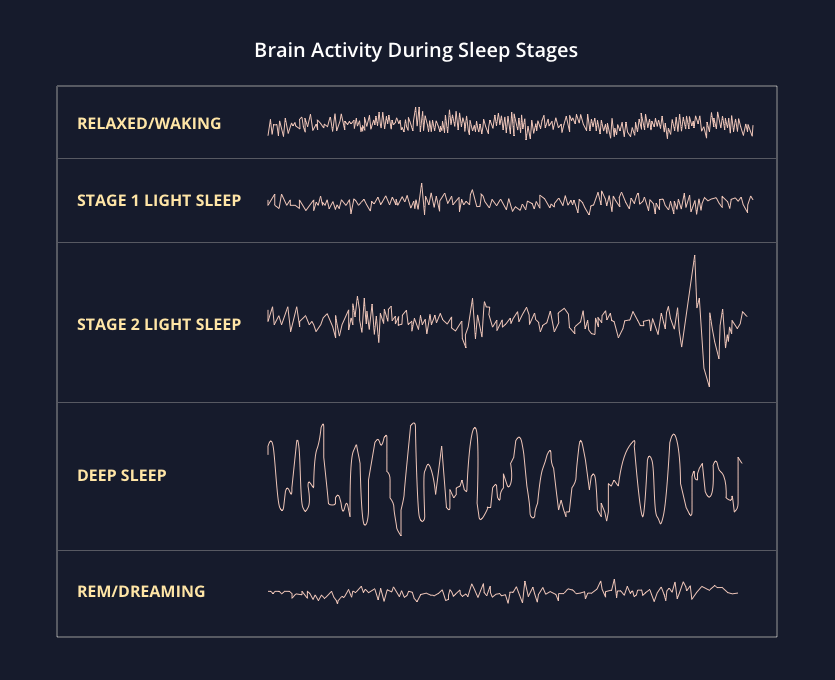
The brain slows down but stays active in light sleep. Small bursts of brain waves, called theta waves, appear. These waves are slower than when awake but faster than in deep sleep. The brain processes some memories and emotions in this stage.
Physical Changes In Light Sleep
Muscles relax but can twitch sometimes. The heart rate and breathing slow down. Body temperature drops slightly. Eyes move slowly and may roll beneath closed lids. The body prepares for deeper, more restful sleep.
Common Experiences In Light Sleep
People often wake up easily during light sleep. Brief dreams or images may occur. Sudden muscle jerks, called hypnic jerks, can happen. Light sleep helps the body feel refreshed and ready for the next sleep stage.
Features Of Deep Sleep
Deep sleep is a crucial stage of the sleep cycle. It differs greatly from light sleep in many ways. During deep sleep, the body and brain work hard to repair and restore themselves. Understanding its features helps explain why it is so important for health and well-being.
Brain Waves In Deep Sleep
In deep sleep, the brain produces slow waves called delta waves. These waves have high amplitude and low frequency. They indicate the brain is in a very restful state. This slow brain activity helps the mind disconnect from the outside world. It supports memory and learning by processing information from the day.
Body Restoration Processes
Deep sleep triggers many repair processes in the body. Muscles relax completely and tissues grow. The immune system strengthens by making infection-fighting cells. Hormones that help growth and repair are released. Blood pressure drops, allowing the heart to rest. These processes help the body heal and stay healthy.
Why Deep Sleep Matters
Deep sleep supports both physical and mental health. Without enough deep sleep, the body cannot repair itself well. Memory and focus may suffer. The immune system weakens, increasing illness risk. Deep sleep improves mood and energy levels. It is the foundation for feeling rested and ready each day.
Impact On Health
Sleep affects health in many ways. Both deep sleep and light sleep play key roles. Understanding their impact helps improve overall well-being. Each stage supports different body and brain functions.
Effects Of Poor Deep Sleep
Deep sleep is the most restorative phase. It helps repair muscles and tissues. Poor deep sleep leads to tiredness and weak immunity. It can raise the risk of heart disease and diabetes. Lack of deep sleep also slows healing after injury.
Role Of Light Sleep In Memory
Light sleep acts as a bridge to deep sleep. It helps process and store memories. During this stage, the brain sorts new information. Poor light sleep can cause forgetfulness and confusion. Good light sleep supports learning and problem-solving skills.
Sleep Quality And Mental Health
Quality sleep balances mood and stress levels. Both deep and light sleep reduce anxiety and depression. Poor sleep quality increases irritability and lowers focus. Healthy sleep habits improve emotional stability. Sleep impacts the brain’s ability to handle daily challenges.
How To Improve Deep Sleep
Deep sleep is the most restful part of your sleep cycle. It helps the body heal and the brain to refresh. Improving deep sleep can boost your energy and mood. Simple changes can make a big difference in how well you sleep deeply.
Lifestyle Changes
Stick to a regular sleep schedule. Go to bed and wake up at the same time daily. Avoid naps late in the day. Exercise often, but not right before bedtime. Reduce stress with relaxation techniques like deep breathing or meditation.
Sleep Environment Tips
Keep your bedroom cool and dark. Use blackout curtains or an eye mask. Remove noise with earplugs or a white noise machine. Choose a comfortable mattress and pillows. Turn off screens at least one hour before bed.
Diet And Supplements
Avoid caffeine and heavy meals before bedtime. Drink herbal tea like chamomile or valerian root. Magnesium supplements can help some people sleep better. Melatonin may assist in regulating sleep cycles. Always talk to a doctor before starting supplements.
Tracking Sleep Stages
Tracking sleep stages helps understand the quality of your rest. Sleep is not one simple state. It cycles through stages like deep sleep and light sleep. Each stage plays a key role in feeling refreshed. Knowing how to track and read these stages can improve your sleep habits.
Using Sleep Trackers
Sleep trackers monitor your movements and heart rate during the night. Many devices use sensors to guess which sleep stage you are in. Some trackers connect to apps that show detailed sleep reports. These tools make it easier to see how much deep and light sleep you get. Wear your tracker every night for best results.
Interpreting Sleep Data
Sleep data shows patterns and trends in your sleep stages. Look for how long you spend in deep sleep versus light sleep. Deep sleep helps your body heal and grow. Light sleep helps your brain stay alert. If your deep sleep is low, it may affect your energy and mood. Use the data to find changes you can make.
When To Seek Professional Help
Some sleep problems need expert advice. If you often feel tired despite good sleep hours, talk to a doctor. Nighttime waking, loud snoring, or gasping for air can be signs of issues. A sleep specialist can run tests to find the cause. Early help improves sleep and overall health.
Frequently Asked Questions
What Are The Main Differences Between Deep And Light Sleep?
Deep sleep is the stage of restorative sleep with slow brain waves. Light sleep is a transitional phase with faster brain activity. Deep sleep helps physical recovery, while light sleep aids memory and alertness.
How Does Deep Sleep Affect Overall Health?
Deep sleep supports immune function, muscle repair, and hormone regulation. It improves memory and mood by restoring brain function. Lack of deep sleep can lead to fatigue and health issues.
Can Light Sleep Help With Memory Retention?
Yes, light sleep plays a key role in consolidating memories. It processes information from the day and prepares the brain for deeper rest.
How Long Should Deep Sleep Last Each Night?
Adults typically need 1. 5 to 2 hours of deep sleep nightly. This amounts to about 20-25% of total sleep time for optimal health.
Conclusion
Deep sleep and light sleep each serve important roles in rest. Deep sleep helps your body heal and grow strong. Light sleep keeps your brain active and alert. Both types work together to refresh you fully. Knowing their differences can improve your sleep habits.
Better sleep means better health and mood. Pay attention to your sleep stages for a restful night. Small changes can lead to big benefits over time. Sleep well, live well.