
As an Amazon Associate I earn from qualifying purchases.
Have you ever noticed how a bad night’s sleep can leave you feeling more emotional or overwhelmed the next day? That’s no coincidence.
Your sleep plays a powerful role in how your brain processes emotions. When you don’t get enough restful sleep, your ability to handle stress, remember important moments, and stay balanced can take a hit. Understanding the connection between sleep and emotional processing could change the way you approach your rest—and your mood.
Keep reading to discover why sleep matters more than you think and how it can help you feel emotionally stronger every day.

Quick Navigation
Sleep And Emotional Health
Sleep plays a big role in keeping our emotions steady. It helps the brain sort out feelings and memories. Good sleep supports mental health and emotional balance. Poor sleep can make feelings harder to manage. Understanding how sleep affects emotions helps improve well-being.
Role Of Sleep In Mood Regulation
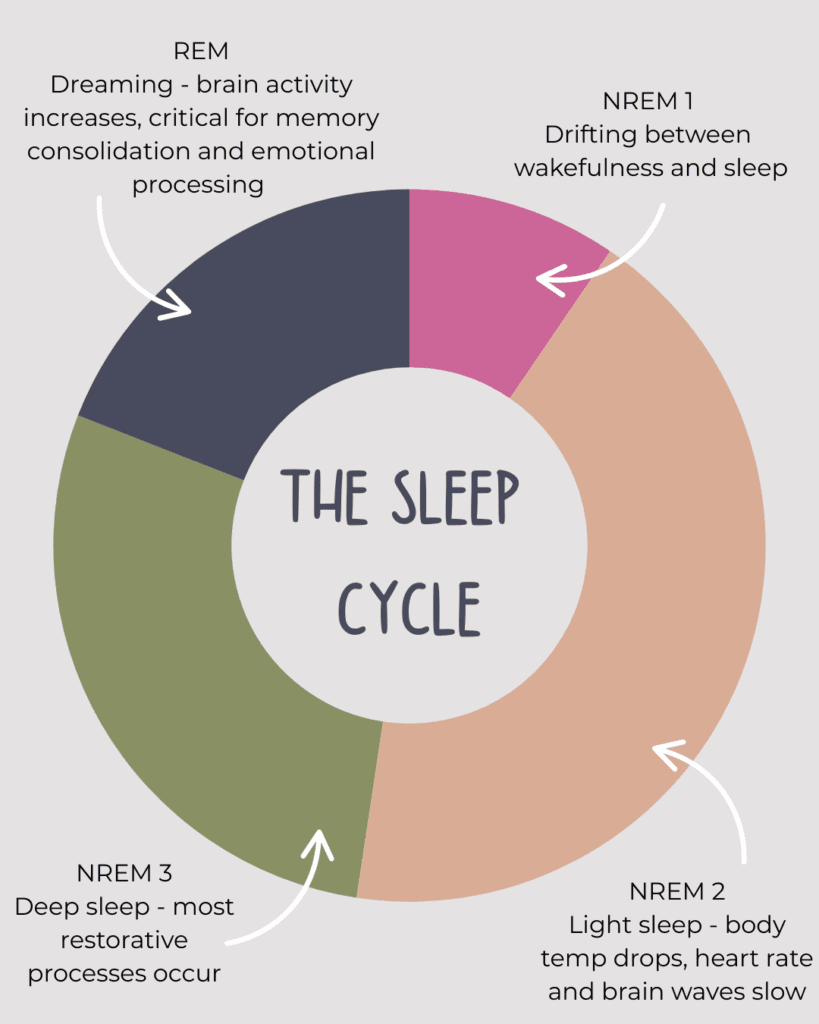
Sleep helps the brain reset and regulate mood. During sleep, the brain processes emotional experiences. This helps reduce stress and anxiety. Deep sleep phases are key to balancing emotions. Well-rested people handle stress better. Their mood stays more stable throughout the day.
Effects Of Sleep Deprivation On Emotions
Lack of sleep makes emotions more intense and unstable. People feel more irritable and less patient. Sleep loss lowers the brain’s ability to control emotions. It increases feelings of sadness and anger. Sleep deprivation also raises stress hormone levels. This creates a cycle of poor mood and bad sleep.

How Sleep Affects Memory And Emotion
Sleep plays a key role in how the brain handles memories and feelings. It helps the brain sort out important events and emotions from the day. Without enough sleep, memory and emotional health can suffer. Understanding how sleep affects these processes can help improve mental well-being.
Emotional Memory Consolidation
During sleep, the brain strengthens emotional memories. It separates strong feelings from less important details. This process helps store memories in a clear way. Good sleep helps people remember emotional events better. It also helps reduce stress from bad experiences by managing how they are stored.
Rem Sleep And Emotional Processing
REM sleep is a stage where the brain is very active. It plays a big role in handling emotions. The brain processes feelings and sorts them during this time. REM sleep helps balance mood and reduce emotional distress. Lack of REM sleep can lead to mood swings and poor emotional control.
Sleep Disorders And Emotional Challenges
Sleep disorders can deeply affect emotional health. Poor sleep disrupts the brain’s ability to process feelings. This disruption can lead to emotional challenges that impact daily life. Understanding common sleep disorders helps reveal their link to mental health issues. Two major disorders, insomnia and sleep apnea, show clear connections to emotional problems.
Impact Of Insomnia On Mental Health
Insomnia causes trouble falling or staying asleep. This lack of rest weakens emotional resilience. People with insomnia often feel more anxious and stressed. Their mood swings become more frequent and intense. Memory problems and poor concentration also arise. These effects make managing emotions much harder. Chronic insomnia can increase the risk of depression. The constant fatigue drains energy to cope with daily stress.
Sleep Apnea And Emotional Dysregulation
Sleep apnea interrupts breathing during sleep. These interruptions reduce oxygen flow to the brain. This lack of oxygen affects brain areas that control emotions. People with sleep apnea often feel irritable and restless. Emotional outbursts and mood swings become common. The disorder also raises the risk of anxiety and depression. Untreated sleep apnea worsens these emotional difficulties. Proper treatment can improve both sleep and emotional health.
Techniques To Improve Sleep For Better Emotions
Good sleep helps your brain process emotions better. It lowers stress and improves mood. Simple habits can improve sleep quality and emotional health. Try easy techniques to sleep well and feel calm.
Sleep Hygiene Practices
Keep a regular sleep schedule. Go to bed and wake up at the same time daily. Avoid caffeine and heavy meals before bedtime. Make your bedroom quiet, dark, and cool. Use your bed only for sleep. Limit screen time one hour before sleep to reduce blue light exposure.
Mindfulness And Relaxation Methods
Practice deep breathing exercises before bed. Focus on slow, steady breaths to calm your mind. Try guided meditation or listen to soft music. Progressive muscle relaxation helps release tension. Visualize a peaceful place to ease stress. These methods prepare your mind for restful sleep.
Sleep’s Role In Stress And Anxiety Management
Sleep plays a key role in managing stress and anxiety. It helps the brain and body recover from daily pressures. Without enough quality sleep, stress levels can rise and anxiety may worsen. Understanding how sleep affects emotional health can guide better habits.
Reducing Stress Through Quality Sleep
Good sleep lowers the body’s stress hormone, cortisol. Lower cortisol means the body feels calmer and more relaxed. During deep sleep, the brain processes emotions and repairs itself. This leads to clearer thinking and better mood control the next day. Sleep acts like a reset button for stress.
Sleep’s Influence On Anxiety Symptoms
Sleep affects how the brain handles anxiety. Poor sleep can increase feelings of worry and fear. It makes it harder to cope with daily challenges. On the other hand, enough sleep helps reduce anxiety symptoms. Sleep supports emotional balance and improves overall mental health.
Future Directions In Sleep And Emotional Research
Sleep plays a key role in how our brain handles emotions. Research is growing fast in this area. Scientists want to find new ways to help people improve both sleep and emotional health. This field is opening new paths for treatment and understanding.
Future studies aim to explore how better sleep can ease emotional struggles. Researchers plan to test new therapies and use advanced tools to watch sleep closely. These efforts could change how doctors treat emotional problems linked to poor sleep.
Emerging Therapies Targeting Sleep
New treatments focus on improving sleep to support emotional health. Some use gentle brain stimulation to boost deep sleep. Others try natural methods like light therapy or sound cues. These therapies aim to help the brain process emotions better during sleep. Early results show promise in reducing anxiety and depression symptoms.
Technological Advances In Sleep Monitoring
Technology helps track sleep with great detail. Wearable devices now measure brain waves, heart rate, and breathing. These tools give real-time data on sleep quality. Improved monitoring helps doctors understand emotional changes linked to sleep patterns. Future devices may also offer personalized advice to improve both sleep and mood.
Frequently Asked Questions
How Does Sleep Affect Emotional Processing?
Sleep helps the brain process and regulate emotions. During sleep, emotional memories are consolidated, reducing stress and anxiety. Good sleep improves mood and emotional resilience, while poor sleep can cause emotional instability and impaired judgment.
Can Sleep Improve Emotional Memory Recall?
Yes, sleep enhances emotional memory recall. It strengthens neural connections linked to emotional experiences. REM sleep plays a key role in consolidating emotional memories, making them clearer and easier to access later.
What Happens To Emotions When Sleep Is Deprived?
Sleep deprivation heightens emotional reactivity and reduces emotional control. It increases negative emotions like anger and sadness. Lack of sleep impairs the brain’s ability to process emotions, leading to mood swings and poor decision-making.
How Much Sleep Is Needed For Proper Emotional Health?
Adults typically need 7-9 hours of sleep for emotional well-being. Adequate sleep supports emotional regulation and mental clarity. Consistently getting less than 6 hours can harm emotional processing and increase stress.
Conclusion
Sleep plays a key role in how we handle emotions daily. It helps our brain sort and calm feelings. Without enough rest, emotions can feel stronger and harder to manage. Good sleep supports a balanced mood and clear thinking. Try to keep a regular sleep schedule for better emotional health.
Remember, rest is not just for the body but also for the mind. Taking care of your sleep means taking care of your feelings too. Simple steps can make a big difference in emotional well-being.