
As an Amazon Associate I earn from qualifying purchases.
Have you ever wondered what really happens to your body while you sleep? You might think sleep is just a time to rest, but your body is actually busy doing important work.
From repairing cells to boosting your memory, sleep plays a powerful role in keeping you healthy and sharp. Understanding these hidden processes can change the way you think about your nightly rest—and help you make the most of it. Keep reading to discover the amazing things your body does every time you close your eyes.

Quick Navigation
Stages Of Sleep
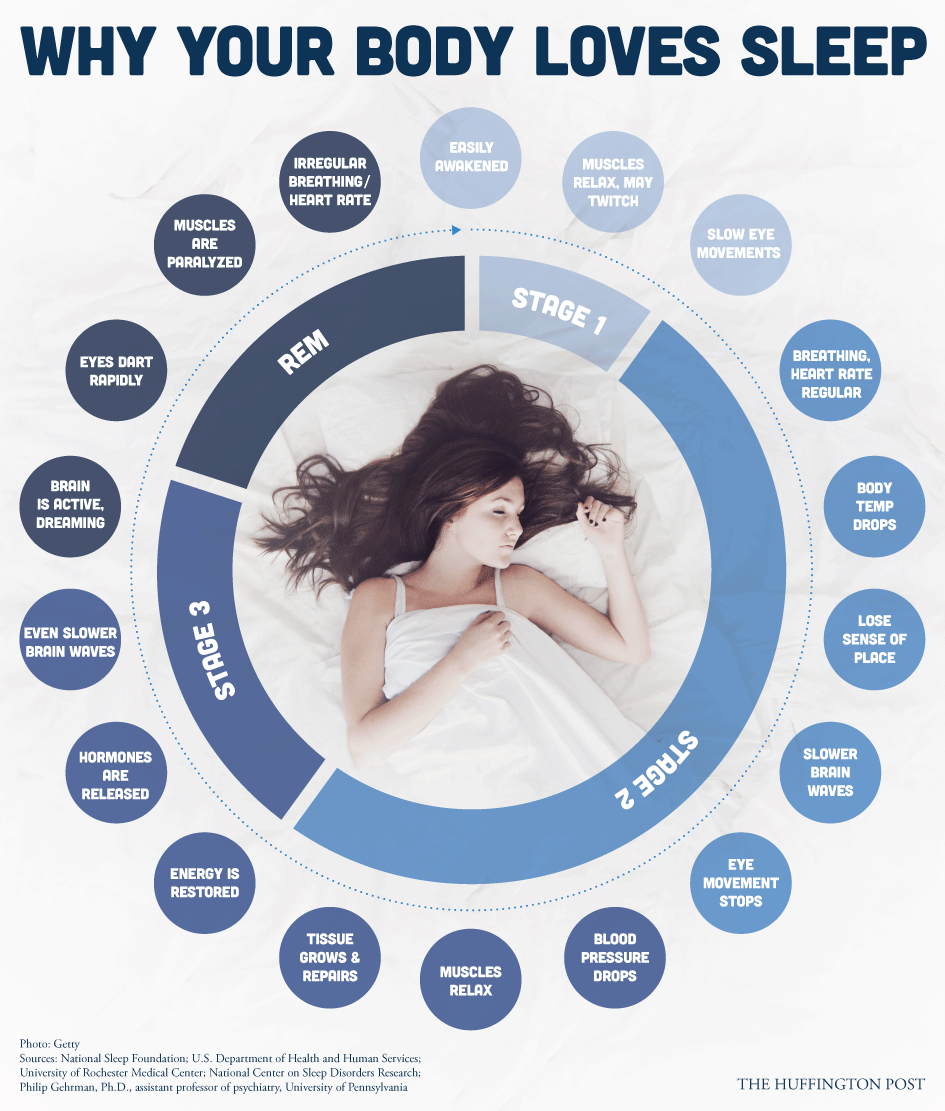
Sleep is not just a single state. It cycles through different stages that help your body and brain rest. Each stage has a special role in keeping you healthy and alert. Understanding these stages shows why good sleep matters so much.
Light Sleep
This stage is the first step in falling asleep. Your body starts to relax, and your heart rate slows down. You can wake up easily during light sleep. It prepares your body for deeper rest ahead. Most of your sleep time happens here.
Deep Sleep
Deep sleep is the most restful stage. Your muscles relax completely, and your breathing is steady. The body works to repair tissues and build bones. Deep sleep helps your immune system stay strong. Waking up from this stage feels difficult and groggy.
Rem Sleep
REM stands for Rapid Eye Movement. This stage is when most dreaming happens. Your brain is very active, almost like when you are awake. REM sleep helps your memory and mood. Your body is mostly still, but your eyes move quickly.
Brain Activity During Sleep
Brain activity during sleep is very important for your health. While you sleep, your brain does many jobs. It processes memories, handles emotions, and cleans out waste. These actions help your brain stay sharp and healthy.
Memory Consolidation
Sleep helps your brain save memories. It moves short-term memories to long-term storage. This process makes learning easier. Without enough sleep, memory gets weaker. Your brain uses deep sleep for this task.
Emotional Processing
Sleep affects how you feel. It helps your brain manage emotions. During sleep, your brain sorts through feelings from the day. This can reduce stress and improve mood. Good sleep helps keep emotions balanced.
Brain Detoxification
While you sleep, your brain cleans itself. It removes harmful waste and toxins. This cleaning happens through a system called the glymphatic system. Proper detox keeps your brain healthy and working well.
Physical Restoration
Sleep is a time for your body to heal and restore itself. Physical restoration happens quietly as you rest. Your muscles, cells, and immune system all work hard during this time. This process helps you wake up feeling refreshed and strong.
Muscle Repair
During sleep, your muscles recover from daily strain. Tiny tears in muscle fibers heal and grow stronger. This repair helps improve muscle strength and endurance. Deep sleep stages are especially important for this process. Without enough sleep, muscle recovery slows down.
Cell Regeneration
Your body creates new cells while you sleep. Old or damaged cells are replaced with fresh ones. This keeps your skin looking healthy and your organs working well. Cell regeneration supports overall body health and slows aging. Sleep is a natural time for this renewal.
Immune System Boost
Sleep enhances your immune system’s ability to fight germs. White blood cells increase and become more active. This helps your body defend against infections and illnesses. Lack of sleep lowers immune response and raises sickness risk. Good sleep supports a strong, healthy immune system.
Hormonal Changes
Sleep triggers important hormonal changes in your body. These changes help your body heal, grow, and stay balanced. Hormones guide many body functions during sleep. They affect growth, stress, and hunger. Understanding these changes shows why sleep is vital for health.
Growth Hormone Release
During deep sleep, your body releases growth hormone. This hormone helps repair tissues and build muscles. It also supports bone strength. Kids and teens need more growth hormone for healthy development. Adults use it to maintain muscle and repair cells. Lack of sleep lowers growth hormone levels.
Stress Hormone Regulation
Sleep controls the release of stress hormones like cortisol. Cortisol helps your body respond to stress and stay alert. At night, cortisol levels drop to help you relax. Poor sleep keeps cortisol high, causing anxiety and fatigue. Balanced cortisol improves mood and energy during the day.
Appetite Control Hormones
Sleep affects hormones that control hunger: ghrelin and leptin. Ghrelin signals hunger, while leptin tells you when you are full. Lack of sleep raises ghrelin and lowers leptin. This imbalance increases appetite and cravings. Good sleep helps keep your hunger hormones in balance.
Metabolic Benefits
Sleep plays a vital role in keeping the body’s metabolism healthy. During sleep, many processes work to balance energy and manage nutrients. These metabolic benefits affect how the body uses sugar and fat. A good night’s sleep supports overall health and weight management.
Blood Sugar Regulation
While you sleep, the body controls blood sugar levels carefully. Insulin, a hormone, helps move sugar from blood into cells. This process keeps sugar stable and prevents spikes. Poor sleep can disrupt insulin function. This may lead to higher blood sugar and risk of diabetes.
Deep sleep stages improve how cells respond to insulin. This means the body handles sugar better after rest. Balanced blood sugar also means more steady energy during the day.
Fat Storage And Weight Control
Sleep affects hormones that control hunger and fat storage. Lack of sleep raises levels of ghrelin, the hunger hormone. It lowers leptin, which signals fullness. This imbalance can lead to overeating and weight gain.
During sleep, the body burns calories and repairs tissues. Good sleep helps the body burn fat instead of storing it. Consistent rest supports a healthy weight and body fat balance.
Cardiovascular Health
Sleep plays a key role in keeping your heart and blood vessels healthy. During sleep, your body works to rest and repair the cardiovascular system. This helps lower the risk of heart problems and keeps your heart strong.
Heart Rate And Blood Pressure
While you sleep, your heart rate slows down. This gives your heart a chance to rest. Blood pressure also drops during deep sleep. Lower blood pressure reduces stress on the blood vessels. This rest period helps the heart recover from daily activities.
Vascular Repair
Sleep supports the repair of blood vessels. Cells work to fix damage caused by daily wear and tear. This process helps prevent artery stiffness and blockages. Good sleep helps keep blood flowing smoothly. Healthy blood vessels lower the chance of heart disease.
Emotional And Mental Health
Sleep plays a key role in emotional and mental health. It helps the brain process feelings and thoughts. During sleep, the brain sorts through daily emotions and memories. This process supports mental clarity and emotional balance.
Mood Stabilization
Sleep helps keep your mood steady. Lack of sleep can cause irritability and mood swings. A good night’s rest calms the brain and reduces emotional reactions. It supports positive feelings and helps you stay calm during stress.
Anxiety And Stress Reduction
Sleep lowers anxiety and stress levels. During deep sleep, the brain reduces stress hormones. This helps you feel more relaxed and less worried. Restful sleep improves your ability to handle daily challenges calmly.

Surprising Sleep Benefits
Sleep is more than just rest. It offers surprising benefits that help your body and mind. While you sleep, many important processes take place. These benefits improve your health in ways you might not expect.
Enhanced Creativity
Sleep boosts your brain’s creativity. During deep sleep, your brain connects ideas. This makes problem-solving easier. Creative thinking improves after a good night’s rest. Dreams can inspire new thoughts and solutions.
Pain Sensitivity Reduction
Sleep helps reduce pain sensitivity. When you sleep enough, your body lowers inflammation. This can decrease how much pain you feel. Poor sleep can make pain worse. Rest supports healing and eases discomfort.
Longevity Link
Good sleep is linked to a longer life. Studies show people who sleep well live healthier. Sleep supports heart health and immune function. Lack of sleep can increase risks of diseases. Sleeping well helps your body repair and stay strong.
Frequently Asked Questions
What Physical Changes Occur During Sleep?
During sleep, your body repairs tissues, builds muscle, and strengthens the immune system. Heart rate and breathing slow down, promoting rest and recovery.
How Does Sleep Affect Brain Function?
Sleep helps clear toxins from the brain, supports memory consolidation, and enhances learning. It also regulates mood and cognitive performance.
Why Is Rem Sleep Important For Health?
REM sleep is essential for emotional regulation and creativity. During this phase, the brain processes experiences and supports mental well-being.
How Does Sleep Impact Hormone Production?
Sleep regulates hormones like cortisol and growth hormone. Proper sleep maintains metabolism, stress levels, and overall hormonal balance.
Conclusion
Sleep helps your body heal and refresh every night. It improves your brain function and memory. Your muscles grow stronger while you rest. Hormones balance and your immune system gets a boost. Good sleep supports your mood and energy levels.
Skipping sleep can harm these important processes. Make sleep a priority to stay healthy and happy. Remember, your body works hard when you close your eyes. Sleep is not just rest—it’s vital for life. Keep your sleep routine simple and consistent.
Your body will thank you for it.