
As an Amazon Associate I earn from qualifying purchases.
Have you ever wondered why you feel wide awake on some nights but sleepy at strange times during the day? The secret lies in how light influences your body’s internal clock, known as the sleep-wake cycle.
Understanding this connection can help you take control of your sleep, boost your energy, and improve your overall health. Keep reading to discover how light affects your sleep and simple ways you can use this knowledge to feel more refreshed every day.
Quick Navigation
Role Of Light In Sleep Regulation
Light plays a key role in controlling our sleep patterns. It helps set the internal clock that tells us when to sleep and wake. This internal clock depends heavily on natural light and darkness.
Exposure to light at the right times keeps the sleep-wake cycle balanced. This balance affects energy, mood, and overall health. Understanding how light affects sleep helps improve rest and daily function.
Circadian Rhythms And Light
Circadian rhythms are natural 24-hour cycles in the body. They control many functions, including sleep and alertness. Light is the main cue that sets these rhythms.
Special cells in the eyes detect light and send signals to the brain. This signal tells the brain what time of day it is. Bright light in the morning shifts the rhythm to an earlier time. Dim light or darkness at night signals the body to prepare for sleep.
Melatonin Production And Light Exposure
Melatonin is a hormone that helps the body sleep. It is produced in the brain during darkness. Light exposure stops melatonin production and wakes the body up.
Even small amounts of light at night can reduce melatonin. This makes falling asleep harder and lowers sleep quality. Avoiding bright screens and lights before bed helps melatonin work better. Proper melatonin levels make sleep deeper and more restful.
Types Of Light And Their Effects
Light plays a crucial role in controlling the sleep-wake cycle. Different types of light affect the body in various ways. Understanding these effects helps improve sleep quality and overall health.
Some types of light support natural rhythms. Others can disrupt sleep by confusing the brain’s internal clock. The source and color of light matter a lot.
Natural Sunlight Benefits
Sunlight is the best natural light for the body. It helps set the internal clock to match day and night. Exposure to sunlight in the morning boosts alertness and mood.
Sunlight increases the production of serotonin, a chemical that enhances happiness. It also reduces melatonin during the day, helping you stay awake. This cycle supports healthy sleep at night.
Impact Of Blue Light
Blue light has a strong effect on the brain’s clock. It is found in natural sunlight and many artificial sources. Blue light helps increase alertness and focus during the day.
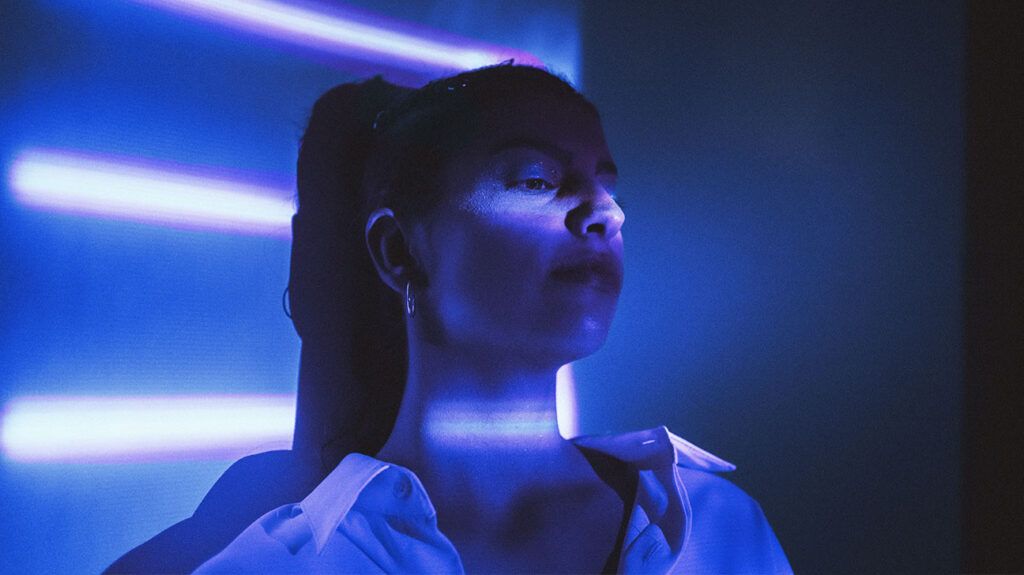
At night, blue light can be harmful. It suppresses melatonin, the hormone that signals sleep. This delay in melatonin can make falling asleep difficult.
Artificial Light And Sleep Disruption
Artificial light from screens and bulbs often contains blue light. Using these lights late at night tricks the brain into thinking it is daytime. This can delay sleep and reduce sleep quality.
Bright artificial light before bedtime can cause trouble falling asleep. It can also reduce deep sleep, making rest less refreshing. Choosing warmer, dimmer lights at night helps prevent these problems.
Timing Of Light Exposure
The timing of light exposure plays a crucial role in regulating our sleep-wake cycle. Light sends signals to our brain, telling it when to feel awake and when to prepare for sleep. Different times of the day affect our body in unique ways. Understanding these effects helps improve sleep quality and daily alertness.
Morning Light Advantages
Morning light boosts alertness and mood. It helps reset the body clock, making waking up easier. Exposure to natural light early in the day increases energy and focus. It also signals the brain to stop producing melatonin, the sleep hormone. This keeps you awake and active throughout the day.
Evening Light Challenges
Evening light can confuse the body clock. Bright or blue light late in the day may delay sleep time. It tricks the brain into thinking it is still daytime. This reduces melatonin production, making it harder to fall asleep. Avoiding strong light in the evening supports better sleep.
Nighttime Light Avoidance
Nighttime light exposure disrupts deep sleep phases. Even small amounts of light can lower sleep quality. Darkness signals the brain to produce melatonin for restful sleep. Using blackout curtains or turning off devices helps maintain darkness. This leads to more restorative and uninterrupted sleep.
Light Therapy For Sleep Disorders
Light therapy can help people with sleep problems. It uses bright light to reset the body’s internal clock. This therapy can improve sleep quality and mood. It works best when used at the right times during the day.
Doctors often recommend light therapy for certain sleep disorders. It is a safe and non-invasive treatment. Many people find it easier to fall asleep and wake up refreshed.
Using Light Boxes
Light boxes are special lamps that produce bright light. They mimic natural sunlight. Users sit near the box for 20 to 30 minutes each morning. The light helps adjust the sleep-wake cycle. It signals the brain to feel awake and alert.
Light boxes have different brightness levels. Most use 10,000 lux of light intensity. This is much brighter than normal indoor lighting. The light should reach the eyes but not cause discomfort.
Treatment For Insomnia And Sad
Light therapy is effective for insomnia. It helps people who have trouble falling asleep. The light resets the internal clock to a normal rhythm. This makes falling asleep easier at night.
Seasonal Affective Disorder (SAD) also benefits from light therapy. SAD causes depression during darker months. Bright light reduces symptoms and improves mood. Many patients feel better after daily light sessions.
Practical Tips For Better Light Habits
Light plays a big role in controlling the sleep-wake cycle. Good light habits help improve sleep quality and daily energy. Small changes in light exposure can make a big difference. Here are some practical tips to manage light for better sleep.
Optimizing Daytime Light
Spend time outside during the day. Natural light helps reset your internal clock. Open curtains to let sunlight in. Bright light in the morning boosts alertness and mood. Try to get at least 30 minutes of daylight daily.
Reducing Evening Light Exposure
Dim lights in the evening to signal your body to wind down. Avoid screens like phones and computers before bed. Use warm, low-intensity lights instead of bright white or blue lights. This helps your brain prepare for sleep.
Creating A Sleep-friendly Environment
Keep your bedroom dark and quiet. Use blackout curtains to block outside light. Remove electronic devices that emit light near your bed. A calm, dark room improves melatonin production and helps you fall asleep faster.

Frequently Asked Questions
How Does Light Influence The Sleep-wake Cycle?
Light regulates the sleep-wake cycle by affecting melatonin production. Bright light in the morning suppresses melatonin, promoting alertness. Dim light at night increases melatonin, signaling the body to prepare for sleep. This natural rhythm helps maintain consistent sleep patterns and overall health.
What Type Of Light Impacts Melatonin Secretion Most?
Blue light, mainly from screens and LED bulbs, strongly suppresses melatonin. Exposure to blue light in the evening delays sleep onset and reduces sleep quality. Reducing blue light exposure before bedtime helps maintain natural melatonin levels and supports healthy sleep.
Can Artificial Light Disrupt Natural Sleep Patterns?
Yes, artificial light at night disrupts the circadian rhythm. It delays melatonin release, causing difficulty falling asleep and poorer sleep quality. Minimizing artificial light exposure before bed supports a natural sleep-wake cycle and promotes restorative sleep.
How Does Morning Light Improve Sleep Quality?
Morning light exposure resets the circadian clock daily. It boosts alertness during the day and advances melatonin release at night. Regular morning light helps establish consistent sleep times and enhances overall sleep quality.
Conclusion
Light controls our body’s internal clock and affects sleep quality. Bright light during the day helps us stay awake and alert. Dim or no light at night signals the body to prepare for sleep. Poor light habits can cause trouble falling or staying asleep.
Simple changes, like reducing screen time before bed, can improve rest. Understanding light’s role helps us create better sleep routines. Good sleep supports health, mood, and energy. Small steps with light can make a big difference in how we feel daily.