
Have you ever noticed how much harder it is to pick up a new skill when you’re tired? Whether you’re trying to learn a language, master a musical instrument, or improve your work performance, sleep plays a bigger role than you might think.
What if the secret to learning faster and remembering more isn’t just practice, but also how well you rest? Keep reading to discover why sleep isn’t just a break from learning—it’s an essential part of the process that can transform the way you acquire new skills.

Quick Navigation
Sleep And Brain Function
Sleep plays a key role in how the brain works. It affects learning and memory. Without good sleep, the brain struggles to process new information. Sleep helps the brain clean up and get ready for new tasks. It also strengthens the connections between brain cells. This is why sleep is vital for learning new skills.
Different stages of sleep support different brain functions. These stages help the brain store memories and improve thinking skills. Understanding how sleep affects the brain can show why rest is important for learning.
Memory Consolidation During Sleep
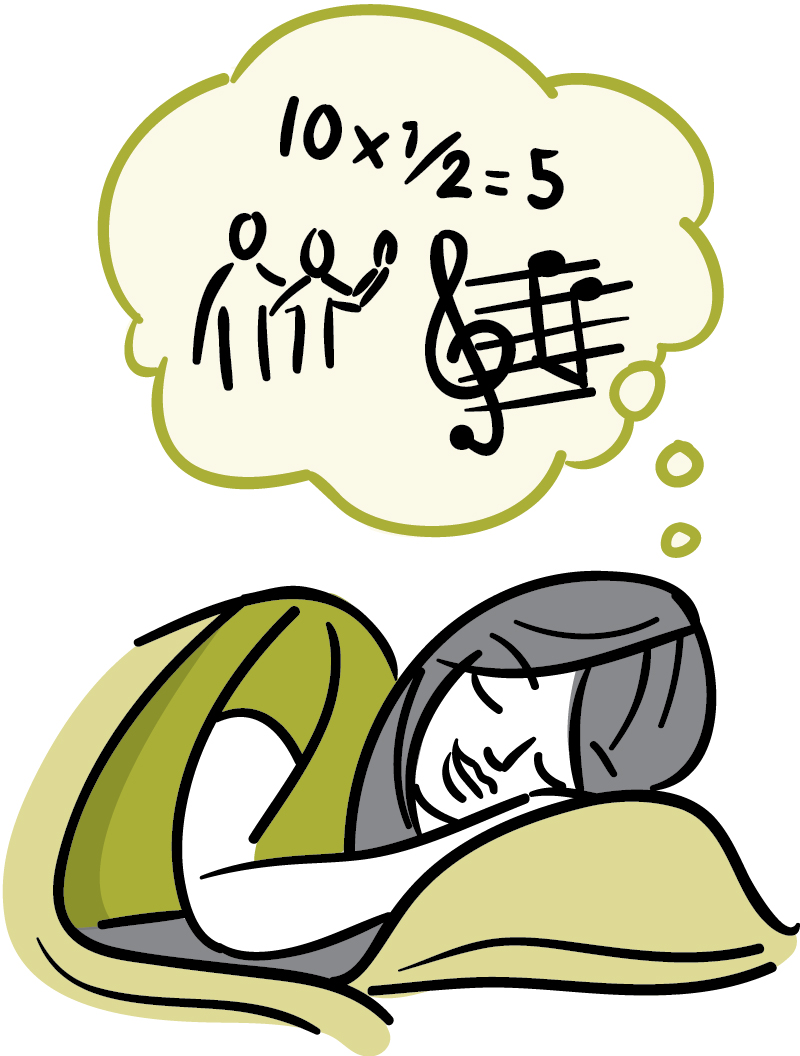
During sleep, the brain organizes and stores memories. It moves information from short-term to long-term storage. This process is called memory consolidation. Without it, learning new skills becomes harder. Sleep clears out unneeded information and keeps what matters. This helps people remember facts and skills better the next day.
Role Of Rem And Deep Sleep
REM sleep and deep sleep have different jobs for the brain. Deep sleep helps the brain recover and repair itself. It also strengthens important memories. REM sleep boosts creativity and problem-solving skills. Both stages work together to support learning. Skipping either stage can hurt brain function and skill learning.
Impact On Cognitive Performance
Sleep affects attention, focus, and decision-making. Poor sleep leads to slower thinking and more mistakes. Good sleep improves reaction time and mental clarity. This helps people learn faster and perform better. The brain works best after enough restful sleep. This is why sleep is critical for learning new skills.
Skill Acquisition And Sleep
Sleep plays a key role in learning new skills. It helps the brain process and store new information. Without enough rest, skill acquisition becomes slow and difficult. Quality sleep supports memory and brain function, making learning smoother.
During sleep, the brain organizes and strengthens the connections made while awake. This process helps skills become more automatic and easier to perform. Sleep also clears out mental clutter, allowing fresh ideas and solutions to surface.
Enhancing Motor Skills
Sleep improves the ability to learn physical tasks. Activities like playing an instrument or sports require muscle memory. Sleep helps the brain replay and practice these movements. This leads to better coordination and faster improvement.
Improving Problem-solving Abilities
Rest helps the brain sort through complex problems. Sleep allows the mind to connect different ideas and find solutions. People often solve problems more easily after a good night’s sleep. This boosts learning in math, science, and other subjects.
Boosting Creativity Through Rest
Creativity grows during sleep. The brain makes new connections between ideas while resting. This sparks fresh thoughts and unique solutions. Sleep supports creative skills needed in art, writing, and innovation.
Consequences Of Sleep Deprivation
Sleep deprivation has serious effects on the brain and learning. Missing sleep reduces the brain’s ability to process and store new information. This makes learning new skills harder and less effective. The body and mind need rest to recover and function well.
Reduced Learning Efficiency
Without enough sleep, your brain works slower. It becomes difficult to focus and remember new facts. Learning new skills takes more time and effort. The brain struggles to connect ideas clearly. This lowers how much you can learn each day.
Increased Cognitive Errors
Sleep loss causes more mistakes during tasks. Your attention slips and judgment weakens. Small errors add up and affect skill practice. This slows progress and causes frustration. Staying alert is harder, making learning unsafe in some cases.
Long-term Brain Health Effects
Chronic lack of sleep harms brain cells over time. Memory and thinking skills decline with ongoing sleep loss. The risk of diseases like Alzheimer’s grows. Protecting sleep helps keep the brain healthy. This supports learning ability in the long run.
Optimizing Sleep For Learning
Sleep plays a key role in learning new skills. Good sleep helps the brain store new information. It also improves focus and memory. To get the best results from sleep, we need to optimize how we rest.
Optimizing sleep means making changes to sleep habits and environment. Small steps can lead to better learning and skill development. Here are simple ways to improve sleep quality for learning.
Ideal Sleep Duration
Most people need between 7 and 9 hours of sleep each night. Teens and young adults may need slightly more. Less sleep reduces attention and memory. Too much sleep can also make you feel tired. Find the right amount that leaves you feeling refreshed.
Creating A Sleep-friendly Environment
A quiet, dark room helps the body relax. Keep the bedroom cool, around 65°F (18°C). Remove bright screens and loud noises. Use comfortable bedding and pillows. A calm space sends signals to the brain that it is time to rest.
Pre-sleep Habits For Better Rest
Avoid caffeine and heavy meals before bedtime. Try calming activities like reading or gentle stretches. Turn off electronic devices at least 30 minutes before sleep. Keep a regular sleep schedule by going to bed and waking up at the same time daily. These habits prepare your mind and body for deep rest.
Scientific Studies And Evidence
Scientific studies have shown strong links between sleep and learning. Sleep helps the brain store and organize new information. Without enough rest, the brain struggles to absorb new skills.
Researchers use various methods to study how sleep affects learning. These studies provide clear evidence that good sleep improves memory and skill performance. Understanding this science helps us value sleep more for learning.
Key Research Findings
Many studies show sleep boosts memory retention. Sleep helps move memories from short-term to long-term storage. It also clears brain clutter, making space for new learning.
Researchers found that people who sleep well learn faster. Their brains connect new information better than those who don’t rest enough. Sleep also aids creative problem-solving and skill improvement.
Notable Experiments On Sleep And Learning
One famous experiment asked participants to learn a new task. Some slept afterward, while others stayed awake. Those who slept performed much better the next day.
Another study used brain scans to watch changes during sleep. It showed that sleep strengthens the brain’s learning centers. This helps improve both physical and mental skills.
Practical Takeaways From Science
Science shows that sleep is not a waste of time. Rest after learning helps lock in new skills. Aim for 7-9 hours of sleep to boost learning ability.
Try to keep a regular sleep schedule. Avoid late nights before important learning or practice sessions. Sleep well to give your brain the best chance to grow and learn.

Frequently Asked Questions
Why Is Sleep Important For Learning New Skills?
Sleep helps consolidate memories, making skill learning more effective. It strengthens neural connections formed during practice. Without adequate sleep, your brain struggles to retain new information. Quality sleep improves focus, creativity, and problem-solving, all vital for mastering skills.
How Does Sleep Affect Memory Retention?
Sleep stabilizes and enhances memories by replaying learned information. During deep sleep, your brain processes and stores new data. Lack of sleep weakens this process, causing forgetfulness. Good sleep ensures longer-lasting memory and better recall of learned skills.
Can Lack Of Sleep Hinder Skill Acquisition?
Yes, sleep deprivation reduces cognitive function and learning ability. It impairs attention, slows reaction times, and decreases motivation. Without enough rest, your brain cannot effectively encode or consolidate new skills. Consistent sleep is essential for efficient skill acquisition.
What Sleep Stage Is Crucial For Learning?
Slow-wave deep sleep is key for learning and memory. It helps consolidate procedural and declarative memories. REM sleep also supports creativity and problem-solving. Both stages work together to optimize skill learning and retention.
Conclusion
Sleep helps your brain store new information and skills. Without enough rest, learning becomes harder and slower. Good sleep clears your mind and boosts focus. It also improves memory and creativity. Try to get regular, quality sleep each night. Your brain works best when well rested.
So, value sleep as part of your learning process. Rest well, learn well. Simple.