
As an Amazon Associate I earn from qualifying purchases.
Are you tired of waking up drenched in sweat, tossing and turning all night? If you’re a hot sleeper, your bedroom setup could be the key to finally getting the cool, comfortable rest you deserve.
Imagine slipping into a bed that stays fresh and cozy, even on the hottest nights. You’ll discover simple, effective ways to transform your bedroom into a cool haven designed just for you. Keep reading, and you’ll learn how small changes can make a big difference in your sleep quality—starting tonight.
Quick Navigation
Choosing Breathable Bedding
Choosing the right bedding is key for hot sleepers. Breathable bedding helps air flow and keeps heat away. It creates a cooler, more comfortable sleep environment. Focus on fabric type, thread count, and moisture control to stay cool all night.
Best Fabrics For Cooling
Cotton is a top choice for breathability and softness. Linen offers great airflow and feels cool against the skin. Bamboo fabric wicks moisture well and stays dry. Avoid polyester or synthetic blends that trap heat and sweat.
Ideal Thread Counts
Thread count affects how tightly fabric is woven. Lower thread counts, between 200 and 400, allow better air circulation. Higher thread counts can feel heavy and trap heat. Choose lighter sheets for a cooler sleep.
Moisture-wicking Sheets
Sheets that pull moisture away from skin help regulate temperature. Bamboo and certain cotton blends often have moisture-wicking properties. These sheets keep you dry and prevent night sweats. Look for bedding labeled as moisture-wicking for best results.
Optimizing Mattress For Heat
Choosing the right mattress is key for hot sleepers. A mattress that traps heat can cause restless nights and sweat. Optimizing your mattress helps keep your body cool and comfortable all night long. It improves sleep quality and helps you wake up refreshed.
Cooling Mattress Materials
Some mattress materials help reduce heat better than others. Latex and gel-infused memory foam are good options. They allow air to flow and do not hold heat. Natural materials like cotton and wool also help keep cool. Avoid mattresses made only from traditional memory foam, as they trap heat.
Mattress Toppers For Temperature Control
A mattress topper can improve heat control without buying a new mattress. Look for toppers with cooling gel or breathable materials. Toppers made from bamboo or cotton wick away moisture. They create a cooler layer between you and the mattress. This helps reduce heat and sweating during sleep.
Ventilated Mattress Designs
Mattresses with built-in ventilation provide better airflow. Ventilated foam or coil mattresses allow heat to escape. Some designs have air channels or perforations that improve breathability. This keeps the mattress surface cooler and more comfortable. Ventilation also prevents the buildup of moisture and odors.
Smart Pillow Options
Choosing the right pillow can make a big difference for hot sleepers. Smart pillow options help keep your head cool and comfortable all night. These pillows use special materials and designs to reduce heat and improve airflow.
Cooling Gel Pillows
Cooling gel pillows have a gel layer that absorbs heat from your head. This gel feels cool to the touch and helps lower your temperature. They also keep their shape well, giving good support without trapping heat.
Adjustable Loft For Airflow
Pillows with adjustable loft let you change their height and firmness. This design creates more space for air to flow around your head. Better airflow means less heat buildup and a cooler sleep environment.
Pillowcase Fabrics That Stay Cool
Choosing the right pillowcase fabric is important for hot sleepers. Cotton and bamboo fabrics are breathable and wick away moisture. These materials help keep your pillow dry and cool throughout the night.
Room Temperature Control
Controlling room temperature is key for hot sleepers. It helps keep the bedroom cool and comfortable. A well-controlled room temperature can reduce night sweats and improve sleep quality.
Effective Air Circulation
Good air circulation moves warm air out of the room. Open windows to create a cross breeze. Use vents or fans to keep air flowing. Circulating air lowers the room’s temperature naturally.
Using Fans And Air Conditioners
Fans help cool the body by moving air over the skin. Place fans near the bed for direct airflow. Air conditioners cool the entire room quickly. Set AC to a comfortable, not too cold, temperature.
Smart Thermostats For Night
Smart thermostats adjust temperature automatically. They learn your sleep schedule to cool the room at night. Use them to save energy while staying cool. Programmable settings keep the bedroom at the right temperature.
Window Treatments For Heat
Controlling heat in the bedroom starts with smart window treatments. Windows let in sunlight and warmth, which can make the room hotter. Choosing the right window coverings helps block heat and keep the room cool. This section explains three effective options for hot sleepers.
Blackout Curtains With Cooling Properties
Blackout curtains block sunlight completely. They prevent heat from entering through the windows. Some blackout curtains have special cooling fabrics. These fabrics reflect heat away from the room. Using blackout curtains reduces indoor temperature and improves sleep comfort. They also darken the room, which helps you fall asleep faster.
Reflective Blinds And Shades
Reflective blinds and shades bounce sunlight outside. Their shiny surfaces stop heat from passing through glass. These blinds are easy to adjust for the right light level. They work well on windows that get direct sun. Reflective blinds keep the room cooler without blocking all light.
Natural Light Management
Managing natural light lowers heat build-up inside. Use sheer curtains to soften sunlight during hot hours. Close heavier curtains or blinds in the afternoon. Open windows early morning to let in cool air. This balance helps control temperature and keeps the room bright but cool.

Sleepwear Choices
Choosing the right sleepwear helps hot sleepers stay cool and comfortable. The fabric, fit, and design affect how much heat your body holds. Good sleepwear lets air flow and moves sweat away from your skin.
Here are key features to look for in sleepwear if you tend to feel hot at night.
Lightweight And Breathable Fabrics
Lightweight fabrics allow air to move freely around your body. Cotton and linen are natural choices that breathe well. These materials keep you cool by letting heat escape easily. Avoid heavy or thick fabrics that trap heat.
Moisture-wicking Pajamas
Moisture-wicking fabrics pull sweat away from your skin. This keeps you dry and prevents stickiness. Synthetic fibers like polyester blends often have this feature. Dry skin feels cooler and helps you sleep better.
Loose-fitting Styles
Loose sleepwear does not cling to your body. It promotes air circulation between fabric and skin. This reduces heat buildup and sweat. Choose relaxed cuts over tight pajamas for better comfort.
Hydration And Sleep
Staying hydrated helps manage body temperature during sleep. Proper hydration keeps hot sleepers cooler and more comfortable all night long. Drinking the right fluids before bed supports natural cooling processes. It also prevents waking up thirsty or overheated. Small habits make a big difference for better rest.
Water Intake Tips Before Bed
Drink water steadily throughout the evening. Avoid gulping large amounts right before sleep. Sip small amounts to stay hydrated and avoid bathroom trips. Aim to finish most water intake 30 minutes before bed. This helps balance hydration without disturbing sleep.
Cooling Beverages
Choose drinks that cool your body down. Herbal teas like peppermint or chamomile work well. Avoid caffeinated or sugary drinks before bedtime. Cold water or lightly flavored water can refresh and hydrate. These choices support cooler skin and a relaxed mind.
Avoiding Dehydration During Sleep
Keep the bedroom at a comfortable temperature to reduce sweating. Use breathable bedding to stay dry and cool. Avoid alcohol and heavy meals close to bedtime; they cause dehydration. If you wake thirsty, drink a small sip of water. These steps help maintain hydration through the night.
Additional Cooling Accessories
Extra cooling accessories can improve sleep for hot sleepers. These tools help lower body temperature and keep you comfortable all night. Small items often make a big difference in feeling cool and rested.
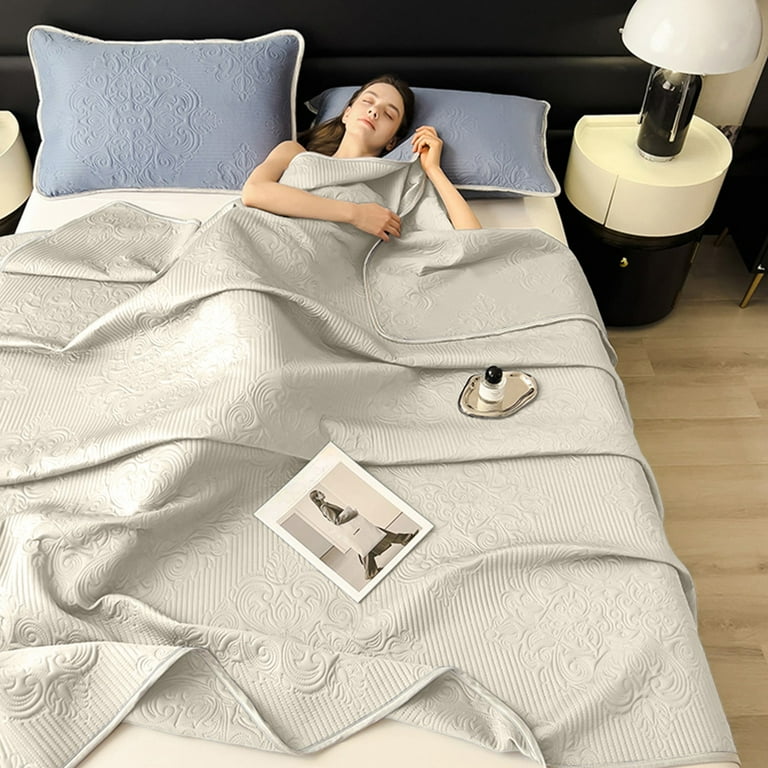
Cooling Pads And Blankets
Cooling pads and blankets use special materials that absorb heat. They feel cool against your skin and help reduce sweating. Many are lightweight and breathable, making them perfect for summer nights. Some pads can be chilled in the fridge for extra coolness. These accessories work well for people who get hot easily during sleep.
Chilled Eye Masks
Chilled eye masks soothe tired eyes and cool your face. They block out light and calm your senses for better rest. You can place them in the fridge or freezer before use. The cold temperature helps reduce puffiness and keeps you feeling fresh. Eye masks are small and easy to use every night.
Temperature-regulating Sleep Gadgets
Temperature-regulating sleep gadgets adjust your bed’s climate automatically. These devices cool or warm the sheets to keep you comfortable. Some use water or air to control temperature precisely. Many have settings to customize heat levels for your needs. These gadgets support a steady and pleasant sleep environment.

Frequently Asked Questions
What Materials Keep A Bedroom Cool For Hot Sleepers?
Natural fabrics like cotton and linen are breathable and wick moisture. Bamboo sheets also regulate temperature well. Avoid polyester or heavy fabrics that trap heat, as they can increase sweating and discomfort during sleep.
How Does Mattress Choice Affect Hot Sleepers?
Mattresses with cooling gel, latex, or open-cell foam improve airflow. These materials prevent heat buildup and provide better temperature regulation. Memory foam mattresses without cooling features tend to retain heat, making them less ideal for hot sleepers.
What Bedroom Setup Reduces Night Sweating Effectively?
Use breathable bedding, a cooling mattress, and a fan for airflow. Keep room temperature between 60-67°F (15-19°C). Avoid heavy blankets and opt for moisture-wicking pajamas to minimize night sweating and promote restful sleep.
Can Bedroom Lighting Impact Sleep Temperature?
Yes, LED and incandescent bulbs generate heat, warming the room. Use cool-toned, low-heat lighting options like energy-efficient LEDs. Dimming lights before bed also helps the body prepare for cooler, restful sleep.
Conclusion
A cool bedroom helps hot sleepers rest better at night. Choose breathable sheets and light blankets for comfort. Keep fans or air conditioners nearby to stay cool. Pick a mattress that does not trap heat. Small changes can make a big difference in sleep quality.
A fresh, cool room invites peaceful and deep rest. Try these tips to wake up feeling refreshed. Good sleep starts with the right bedroom setup. Your body will thank you for cooler nights.