
As an Amazon Associate I earn from qualifying purchases.
Do you ever wonder why you struggle to fall asleep even when you feel tired? The secret might be hidden in when you drink your caffeine.
Caffeine can give you a quick boost, but if you consume it at the wrong time, it can quietly disrupt your sleep without you realizing it. Understanding how caffeine timing affects your sleep can help you enjoy your favorite drinks and still wake up refreshed.
Keep reading to discover simple tips that can make a big difference in how well you rest each night.
Quick Navigation
Caffeine And Sleep Connection
Caffeine is a popular stimulant found in coffee, tea, and many drinks. It helps people feel awake and alert. Many people rely on caffeine during the day. But caffeine can also affect sleep. Understanding how caffeine and sleep connect can help improve rest.
The timing of caffeine intake plays a big role. Drinking caffeine too late can make falling asleep harder. It can also reduce sleep quality. Knowing how caffeine works in the brain explains this better.
How Caffeine Stimulates The Brain
Caffeine blocks a chemical called adenosine. Adenosine makes you feel tired. When caffeine blocks it, the brain feels more awake. This effect can last for several hours. Caffeine also increases dopamine, a feel-good chemical. These changes make you alert and focused.
The peak effect of caffeine happens about 30 to 60 minutes after drinking. It then slowly wears off. But caffeine can stay in the body for 3 to 5 hours. This means caffeine late in the day can still affect you at bedtime.
Impact On Sleep Cycles
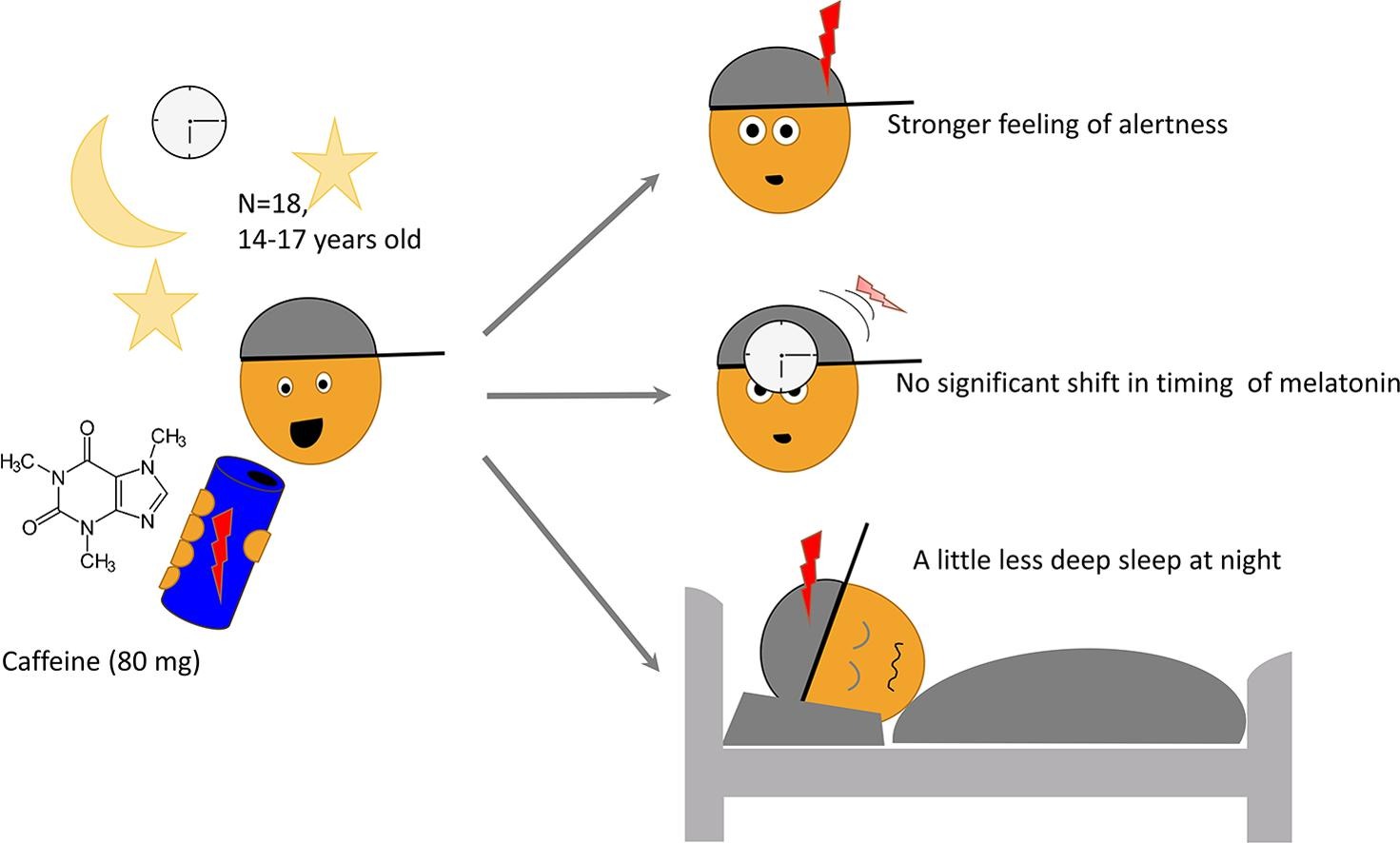
Caffeine can delay the time it takes to fall asleep. It also reduces deep sleep, the most restful stage. Less deep sleep means less recovery for the body and mind. People may wake up feeling tired even after enough hours in bed.
Caffeine can disrupt REM sleep, too. REM sleep helps with memory and mood. Poor REM sleep can affect how you feel the next day. The body needs a full sleep cycle for good health. Caffeine can shorten or fragment these cycles.
When To Avoid Caffeine
Knowing when to avoid caffeine is key to better sleep. Caffeine stays in the body for hours. Drinking it late can cause trouble falling asleep. It can also reduce deep sleep, making you feel tired the next day.
Choosing the right time to stop caffeine helps your body relax. The goal is to enjoy caffeine’s boost without losing rest. Understanding your own body helps decide the best cutoff time. Let’s explore when to avoid caffeine for good sleep.
Ideal Cutoff Times
Most experts suggest stopping caffeine 6 hours before bedtime. For example, if you sleep at 10 p.m., avoid caffeine after 4 p.m. This gives your body time to clear caffeine. It lowers the chance of sleep problems.
Some people can drink caffeine earlier without effects. Others might need to stop even earlier. The key is to find a time that fits your sleep schedule. Try setting a caffeine cutoff and watch your sleep improve.
Individual Sensitivity Variations
People differ in how caffeine affects them. Some feel alert for many hours after one cup. Others may not notice much effect. Genetics, age, and health all play a role.
Higher sensitivity means caffeine stays longer in the body. These people should avoid caffeine earlier in the day. Lower sensitivity may allow a later cutoff. Testing your own limits helps find the best time.
Keep a sleep and caffeine diary. Note when you drink caffeine and how you sleep. Patterns will show if you need to adjust your timing. Respect your body’s signals for better rest.
Effects Of Late-day Caffeine
Consuming caffeine late in the day can harm your sleep quality. Caffeine is a stimulant that blocks sleep signals in the brain. This makes it harder for your body to relax and prepare for rest. The effects last for hours, affecting your night’s sleep deeply.
Difficulty Falling Asleep
Caffeine delays the time it takes to fall asleep. Even a cup of coffee in the afternoon can keep you awake longer. Your brain stays alert, and the usual tiredness feels weaker. This delay can reduce the total sleep time, leaving you tired the next day.
Reduced Deep Sleep
Late caffeine intake lowers the amount of deep sleep you get. Deep sleep is important for body repair and memory. Without enough deep sleep, you may feel less refreshed. Caffeine disrupts the sleep cycle, cutting short these essential rest phases.
Balancing Caffeine Intake
Balancing caffeine intake is key to maintaining good sleep quality and steady energy. Caffeine affects people differently, but timing plays a big role in how it impacts rest. Understanding when to drink caffeine helps avoid sleep problems and keeps energy levels stable throughout the day.
Choosing the right time for caffeine can help reduce sleep interruptions. It also supports better focus during work or study hours. Let’s explore how morning and afternoon caffeine habits differ and look at some energy-boosting alternatives.
Morning Vs Afternoon Consumption
Morning caffeine helps jumpstart the day. It can increase alertness and improve mood. Drinking coffee or tea soon after waking is common and usually does not affect night sleep.
Afternoon caffeine, especially late in the day, can cause trouble falling asleep. The body takes several hours to process caffeine. Consuming caffeine too late may keep the brain active when it should be winding down.
Experts suggest avoiding caffeine at least six hours before bedtime. This rule helps most people sleep better. Adjust timing based on personal sensitivity to caffeine’s effects.
Alternatives To Boost Energy
Energy can come from other sources besides caffeine. Short walks or light exercise increase blood flow and reduce tiredness. Drinking water often helps maintain focus and prevent fatigue.
Eating small, balanced snacks with protein and healthy fats can sustain energy. Deep breathing exercises refresh the mind without caffeine.
These alternatives support energy without disrupting sleep. They provide natural ways to stay alert during the day.
Tips For Better Sleep
Good sleep depends on many factors. One key factor is how you manage caffeine intake. Timing caffeine carefully helps improve sleep quality. Here are some tips to help you sleep better by managing caffeine and your daily habits.
Creating A Sleep-friendly Routine
Set a regular bedtime and wake time. Your body likes routine and will adjust better. Avoid caffeine at least six hours before sleep. This helps your body relax and prepare for rest. Create a calm environment in your bedroom. Keep it dark, quiet, and cool. These small changes can make falling asleep easier.
Managing Caffeine Withdrawal
Cutting back on caffeine may cause headaches or tiredness. Reduce caffeine slowly to avoid strong withdrawal symptoms. Drink water and eat balanced meals to stay energized. Try herbal teas without caffeine in the afternoon. This helps you stay hydrated and calm. Remember, your body needs time to adjust.

Frequently Asked Questions
How Long Does Caffeine Affect Sleep Quality?
Caffeine can disrupt sleep for 3 to 7 hours after consumption. It blocks adenosine, a chemical that promotes sleepiness, making it harder to fall asleep and reducing deep sleep quality.
When Is The Best Time To Stop Caffeine Intake?
Experts recommend avoiding caffeine at least 6 hours before bedtime. This helps minimize sleep disturbances and ensures caffeine doesn’t interfere with your natural sleep cycle.
Can Caffeine Timing Improve Daytime Alertness?
Yes, timing caffeine intake early in the day can boost alertness. Avoiding late-day caffeine prevents sleep disruption, promoting better rest and sustained daytime energy levels.
Does Caffeine Affect Rem Sleep Stages?
Caffeine consumption close to bedtime can reduce REM sleep. This stage is crucial for memory and mood regulation, so timing caffeine wisely supports better overall sleep quality.
Conclusion
Caffeine can stay in your body for hours. Drinking it late can make falling asleep hard. Try to stop caffeine at least six hours before bed. This helps your brain relax and prepares you for rest. Good sleep improves mood and energy for the next day.
Pay attention to how caffeine affects your own body. Small changes in timing can make big differences. Sleep well, feel better. Simple steps lead to better nights.