
As an Amazon Associate I earn from qualifying purchases.
Have you ever been jolted awake by a sudden noise in the middle of the night? That unexpected sound might seem harmless, but it can seriously disrupt your deep sleep—the stage your body needs most to recharge.
When your deep sleep is interrupted, you may wake up feeling tired, groggy, or less focused during the day. Understanding how sudden noises affect your sleep can help you protect your rest and improve your overall well-being. Keep reading to discover why these noises matter and what you can do to guard your nights against them.

Quick Navigation
Deep Sleep And Its Importance
Deep sleep is the most restful part of the night. It helps the body and brain repair themselves. Without enough deep sleep, people feel tired and less focused. Sudden noises can break deep sleep, making rest less effective. Understanding deep sleep shows why protecting it matters.
Stages Of Deep Sleep
Deep sleep happens in the third stage of non-REM sleep. The body slows down, and breathing becomes steady. Muscles relax fully. The brain waves slow to very low frequencies. This stage usually lasts 20 to 40 minutes per cycle. Deep sleep occurs more in the first half of the night.
Benefits For Health And Memory
Deep sleep helps the body heal and grow. The immune system becomes stronger. It lowers the risk of many illnesses. The brain uses this time to clear waste. It also stores memories clearly. Good deep sleep improves learning and problem-solving skills. Without it, memory and focus can suffer greatly.
Impact Of Sudden Noises On Sleep
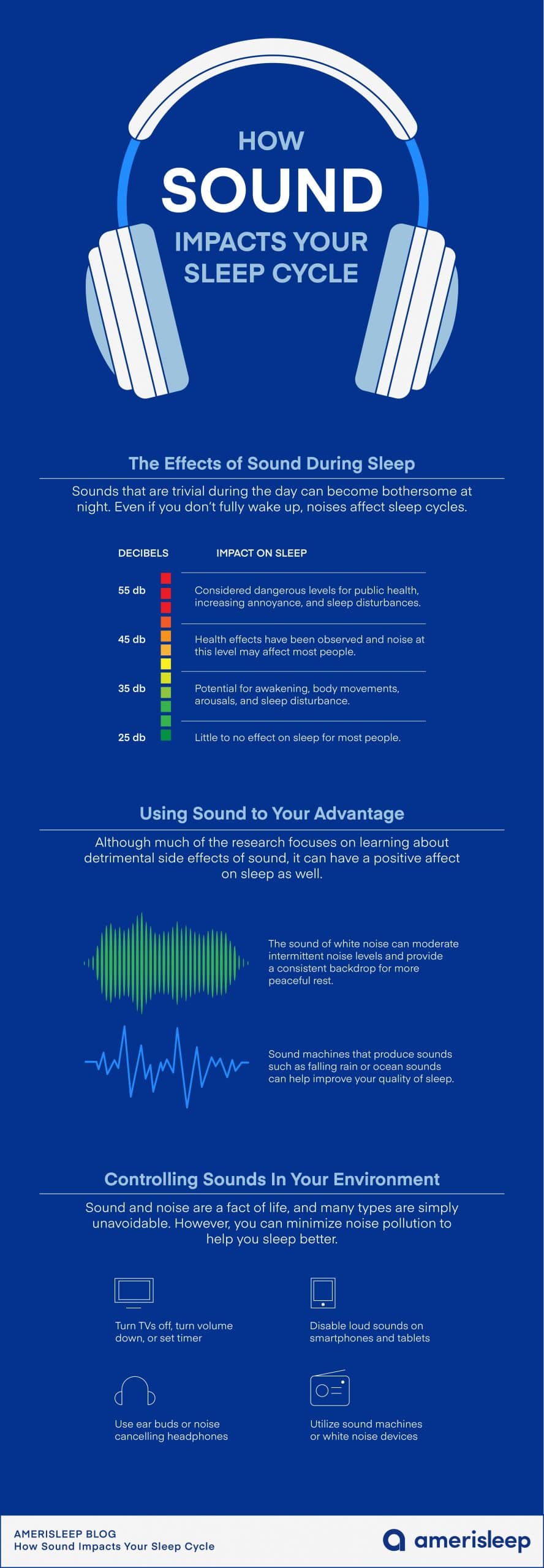
Sudden noises can disturb deep sleep and affect overall rest quality. Deep sleep is important for body repair and memory. Interruptions during this stage reduce sleep benefits. Even brief sounds may cause the brain to wake up slightly. This leads to tiredness and difficulty focusing during the day.
Types Of Sleep Disruptions
Sudden noises cause several types of sleep disturbances. One common effect is a full awakening from deep sleep. This stops the body’s recovery process. Another type is a lighter sleep stage shift. The brain becomes more alert but does not fully wake. Both types reduce total deep sleep time. Frequent disruptions can lead to poor sleep patterns and health issues.
Common Sources Of Sudden Noises
Noises that interrupt sleep come from many places. Street traffic, such as cars and sirens, often break the silence. Household sounds like alarms, barking dogs, or doors slamming also wake sleepers. Electronic devices with sudden alerts add to the problem. Even small noises, like a clock ticking or a phone vibrating, can affect sensitive sleepers. Identifying these sources helps reduce sleep interruptions.
Physiological Responses To Noise
Sudden noises can disturb deep sleep and trigger strong body reactions. These reactions happen because the brain and body are sensitive to unexpected sounds. Understanding these physiological responses helps explain why noise affects sleep quality.
Even brief noises can wake parts of the brain. The body prepares to react, even if you stay asleep. These changes can lower the benefits of deep sleep and cause tiredness the next day.
Brain Activity Changes
The brain processes sounds even during deep sleep. Sudden noises cause spikes in brain activity. These spikes happen in areas that detect danger and alert the body.
This activity can shift sleep from deep to lighter stages. The brain becomes more alert and less restful. Repeated noises can stop the brain from reaching deep sleep fully.
Heart Rate And Stress Hormones
Noise triggers the body’s stress response. The heart rate rises quickly after sudden sounds. This increase prepares the body for action, even during sleep.
The body also releases stress hormones like cortisol. These hormones raise alertness and reduce relaxation. High stress hormone levels during sleep harm sleep quality.
Frequent noise exposure can keep the body in a stressed state. This stress makes it hard to fall back into deep sleep. Over time, this affects overall health and energy.
Long-term Effects Of Noise Interruptions
Sudden noises during sleep disrupt more than just a single night. Over time, these interruptions can cause serious problems. The body and brain suffer from constant breaks in deep sleep. This section explains the long-term effects of noise interruptions on your health and mind.
Sleep Quality Decline
Repeated noise interruptions reduce the overall quality of sleep. Deep sleep stages become shorter and less frequent. The body cannot fully rest or repair itself. This leads to tiredness and low energy during the day. Poor sleep quality also weakens the immune system. The body becomes less able to fight illness.
Cognitive And Emotional Impacts
Interrupted sleep harms brain functions like memory and focus. It becomes harder to learn and remember new information. Emotional health suffers as well. People feel more stressed, anxious, and moody. Long-term sleep disruption raises the risk of depression. Mental sharpness declines, affecting work and daily tasks.
Noise Sensitivity Variations
Noise sensitivity varies from person to person. This affects how sudden sounds disturb deep sleep. Some people wake up easily. Others stay asleep through loud noises. Understanding these differences helps explain why noise impacts sleep quality differently.
Several factors influence noise sensitivity. Age and sleep stages play a big role. Personal traits also affect how noise disturbs rest.
Age And Sleep Stages
Young children and older adults often react more to noise. Their sleep is lighter or more fragile. Deep sleep tends to decrease with age. This makes older people more prone to waking from noise. Babies may startle from small sounds easily. Adults in deep sleep stages are less likely to wake up. Light sleep stages make noise disturbances more likely. Sleep cycles change throughout the night. Sensitivity to noise shifts along with these changes.
Individual Differences
Some people naturally sleep deeply. Others have lighter sleep patterns. Stress and anxiety increase noise sensitivity. A noisy environment during the day can also raise this sensitivity at night. People used to quiet surroundings may wake up quickly. Those living in busy areas might adapt over time. Genetics and brain activity affect how noise disrupts sleep. Understanding personal noise sensitivity can help improve sleep habits.
Strategies To Minimize Noise Disruptions
Sudden noises can break deep sleep and cause tired mornings. Quiet, peaceful surroundings help the brain stay in deep sleep stages. Simple steps reduce noise and protect rest. These strategies make nights calm and help you wake up fresh.
Soundproofing And Environment Control
Soundproofing blocks outside noise from entering the bedroom. Thick curtains and double-pane windows lower sound levels. Door seals stop sounds from hallways or other rooms. Furniture, like bookshelves, also helps absorb noise. Rearranging the bedroom away from noisy streets can make a big difference.
Controlling the environment means keeping the room cool and dark. Cooler rooms improve sleep quality and reduce restlessness. Using heavy curtains blocks light and muffles street sounds. Turning off noisy electronics before bed keeps the space quiet. A calm room supports deeper, longer sleep.
Use Of White Noise And Earplugs
White noise machines create steady sounds that mask sudden noises. Sounds like rain, wind, or fans help the brain ignore interruptions. White noise can make sudden bangs less jarring and easier to sleep through. Earplugs physically block noise from reaching your ears. They are small, inexpensive, and easy to use.
Choosing comfortable earplugs is important to avoid discomfort. Soft foam earplugs work well for most people. Combining white noise with earplugs provides extra protection. These tools help maintain deep sleep even in noisy places.
When To Seek Professional Help
Sudden noises can disturb deep sleep and affect overall rest quality. Sometimes, the problem goes beyond occasional interruptions. Persistent sleep troubles may signal a bigger issue. Knowing when to get help can improve your sleep and health.
Signs Of Chronic Sleep Disruption
Waking up often during the night is a key sign. Feeling tired even after a full night’s sleep matters too. Difficulty falling back asleep after noise disruptions shows a problem. Daytime sleepiness and trouble focusing also indicate poor rest. Mood changes and irritability may appear as well.
Available Treatments And Therapies
Doctors may suggest sleep studies to find the cause. Cognitive-behavioral therapy helps change habits that harm sleep. Sound machines or earplugs can reduce noise impact. Medication might be prescribed for short-term relief. Lifestyle changes, like limiting caffeine and stress, support better sleep.
Frequently Asked Questions
How Do Sudden Noises Disrupt Deep Sleep?
Sudden noises can cause brief awakenings or arousals from deep sleep. This interruption reduces sleep quality and leaves you feeling tired. Noise activates the brain’s alert system, preventing the deep restorative stages needed for physical and mental recovery.
Can Noise During Sleep Affect Health Long-term?
Yes, chronic noise disruption during sleep can lead to stress, high blood pressure, and weakened immunity. Poor sleep quality over time affects mood, memory, and overall well-being. Minimizing noise helps maintain healthy, uninterrupted deep sleep cycles.
What Types Of Noises Most Affect Deep Sleep?
Loud, unexpected noises like alarms, traffic, or barking dogs most disrupt deep sleep. Sudden sharp sounds trigger the brain’s arousal response, causing awakenings. Continuous low-level noise can also fragment sleep but is less disruptive than sudden loud noises.
How Can I Protect Deep Sleep From Sudden Noises?
Using earplugs, white noise machines, or soundproofing your bedroom can reduce noise impact. Creating a quiet sleep environment helps maintain uninterrupted deep sleep. Consistent sleep routines also improve resilience against noise disturbances.
Conclusion
Sudden noises can break deep sleep and cause restlessness. Deep sleep helps the body and mind heal. Noise disruptions reduce sleep quality and make you feel tired. Creating a quiet sleep space can improve rest. Using earplugs or white noise machines helps block sounds.
Better sleep means better health and mood. Protect your deep sleep by managing noise around you. It makes a big difference every night.