
As an Amazon Associate I earn from qualifying purchases.
Have you ever noticed how a few drinks might help you fall asleep faster, but then you wake up feeling tired and restless? That’s not a coincidence.
Alcohol might seem like a quick fix for a good night’s rest, but it actually messes with your sleep cycles in ways you don’t expect. If you want to truly recharge and wake up refreshed, understanding how alcohol disrupts your sleep is crucial.
Keep reading to discover what really happens to your body when you mix alcohol and bedtime—and how you can protect your sleep for better health and energy.
Quick Navigation
Alcohol’s Impact On Sleep Stages
Alcohol affects how your body moves through different sleep stages. Each stage plays a key role in rest and recovery. Drinking alcohol can change these stages, leading to poor sleep quality. Understanding these effects helps explain why you may feel tired after drinking.
Effects On Rem Sleep
REM sleep is when most dreaming happens. It helps with memory and mood. Alcohol reduces the amount of REM sleep. This can cause forgetfulness and irritability. Less REM sleep means your brain does not rest well.
Influence On Deep Sleep
Deep sleep is the most restful stage. Your body repairs itself during this time. Alcohol may increase deep sleep early in the night. But this effect is short-lived. Later, deep sleep often decreases, making sleep less refreshing.
Alterations In Sleep Architecture
Sleep architecture means how sleep cycles organize through the night. Alcohol disrupts this pattern. It causes more wakefulness and lighter sleep. The natural flow between sleep stages breaks down. This results in fragmented and restless sleep.
Chemical Mechanisms Behind Sleep Disruption
Alcohol affects sleep by changing brain chemicals. These changes interrupt normal sleep patterns. Understanding the chemical mechanisms helps explain why sleep gets worse after drinking.
Role Of Neurotransmitters
Neurotransmitters send signals in the brain. Alcohol changes how these chemicals work. It raises some neurotransmitters and lowers others. This imbalance disrupts the brain’s natural sleep signals. The result is poor sleep quality and shorter sleep time.
Interaction With Gaba And Glutamate
GABA calms the brain, helping you relax. Alcohol increases GABA activity, making you feel sleepy at first. Glutamate excites the brain and promotes alertness. Alcohol blocks glutamate, reducing brain activity. Later, the brain reacts by boosting glutamate. This causes wakefulness and lighter sleep in the second half of the night.
Impact On Circadian Rhythms
Circadian rhythms control your sleep-wake cycle. Alcohol disturbs these rhythms by changing hormone levels. It reduces melatonin, the hormone that signals bedtime. This shift delays sleep and lowers sleep quality. The disruption makes it hard to fall asleep and wake refreshed.
Short-term Sleep Effects After Drinking
Alcohol affects sleep right after drinking. It changes how your body and brain rest at night. These changes happen quickly and can affect the whole night’s sleep. Understanding the short-term effects helps you see why sleep might feel different after drinking.
Initial Sleepiness And Relaxation
Alcohol acts like a sedative at first. It makes you feel calm and sleepy fast. This is why many people fall asleep quickly after drinking. The brain slows down, easing you into rest. This sleepiness can trick you into thinking alcohol helps sleep.
Increased Nighttime Awakenings
As alcohol leaves your system, your sleep becomes restless. You wake up more often during the night. These awakenings can be brief but frequent. They break the natural flow of sleep. This makes it hard to stay asleep deeply.
Reduced Sleep Quality
Alcohol lowers the quality of your sleep stages. It reduces deep sleep and REM sleep. Deep sleep is when your body repairs itself. REM sleep helps your brain rest and process memories. Less of these stages means you feel tired the next day.
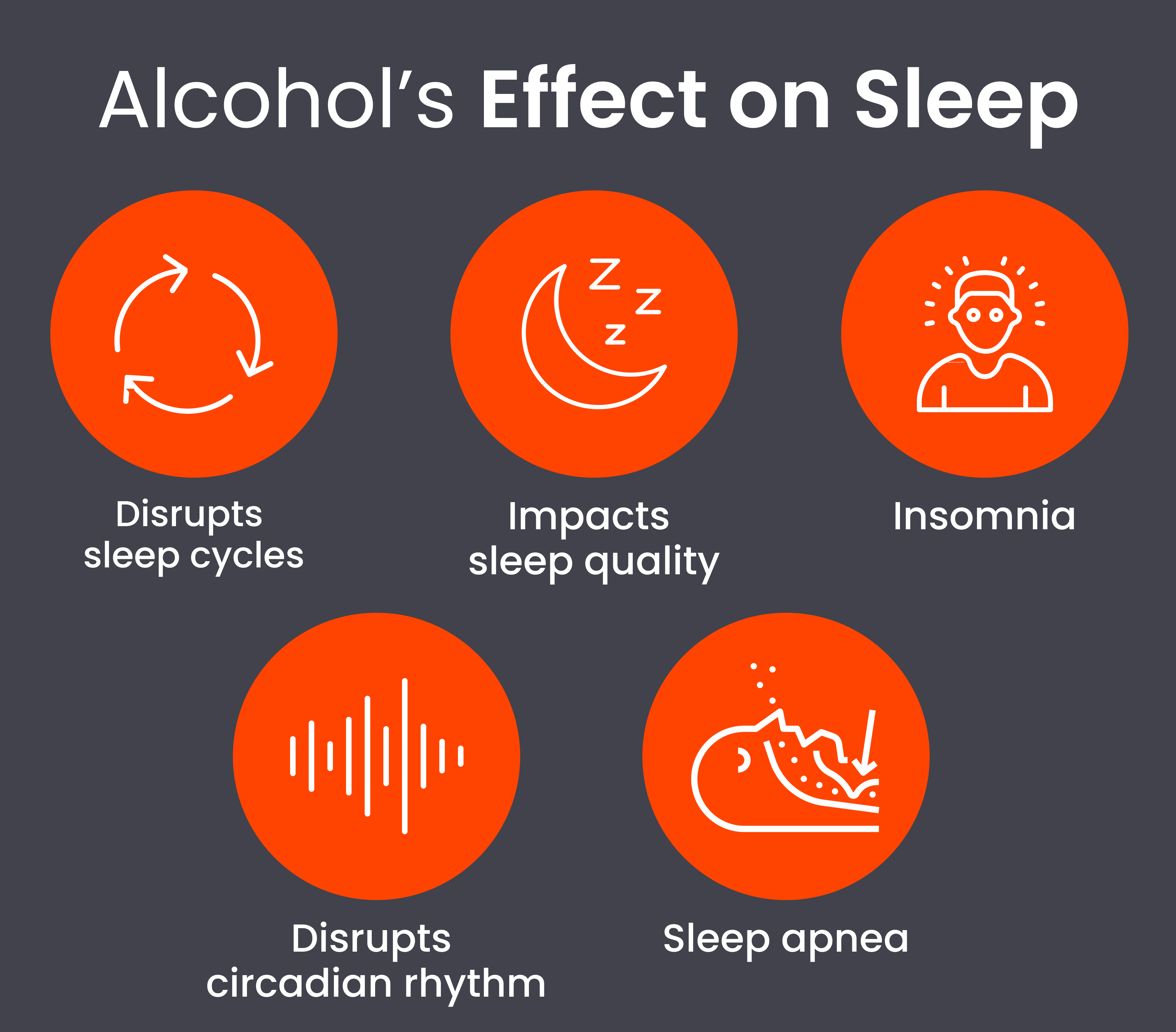
Long-term Consequences Of Alcohol On Sleep
Alcohol may seem to help you fall asleep faster. Yet, over time, it harms your sleep quality deeply. Regular drinking changes how your brain controls sleep. This leads to serious problems that last for years.
These long-term effects do more than just make you tired. They affect your body and mind in many ways. Understanding these risks helps you see why cutting back matters.
Chronic Insomnia Risks
Drinking alcohol often leads to trouble falling asleep. Over months or years, this turns into chronic insomnia. You might stay awake for hours at night. This ongoing sleep loss makes daily life harder. It reduces focus, mood, and energy.
Development Of Sleep Disorders
Alcohol disrupts the natural sleep cycle deeply. This causes or worsens sleep disorders like sleep apnea. Breathing may stop briefly during sleep. This lowers oxygen and breaks rest repeatedly. The result is poor sleep and daytime tiredness.
Impact On Overall Health
Poor sleep from alcohol harms your heart and brain. It raises the risk of high blood pressure and stroke. Memory and thinking skills also decline. Immune function weakens, making illness more common. Long-term, your body suffers in many ways.
Alcohol And Sleep Apnea
Alcohol affects sleep in many ways. It is especially harmful to people with sleep apnea. Sleep apnea is a condition where breathing stops and starts during sleep. Alcohol makes these breathing problems worse. This section explains how alcohol and sleep apnea interact. It shows why avoiding alcohol is important for better sleep.
How Alcohol Worsens Sleep Apnea
Alcohol relaxes the muscles in the throat. This makes the airway smaller and more likely to close. People with sleep apnea already have narrow airways. Drinking alcohol increases the chance of blockages during sleep. These blockages cause breathing to stop temporarily. The more alcohol consumed, the worse the symptoms become.
Breathing Disruptions During Sleep
Alcohol reduces the brain’s response to low oxygen levels. This delays the body’s effort to restart breathing. As a result, breathing stops last longer after alcohol use. This means less oxygen reaches the brain and body. The sleep becomes very broken and less restful. These breathing stops can occur many times each night.
Increased Daytime Fatigue
Sleep apnea already causes poor sleep quality. Alcohol makes this problem even stronger. The frequent breathing stops cause frequent awakenings. This prevents deep, restful sleep stages. People wake up feeling tired and sleepy during the day. This daytime fatigue affects focus, mood, and overall health.
Tips To Minimize Alcohol’s Sleep Effects
Alcohol can harm your sleep, but some simple steps can help reduce its effects. These tips support better rest and help your body recover faster. Small changes in habits make a big difference in sleep quality.
Timing Your Last Drink
Stop drinking alcohol at least two hours before bed. This gives your body time to process the alcohol. Avoid late-night drinks to prevent sleep interruptions. Early timing helps maintain a natural sleep cycle and reduces wake-ups.
Hydration And Nutrition Strategies
Drink plenty of water before going to sleep. Alcohol causes dehydration, which worsens sleep problems. Eat a light meal with protein and healthy fats. These nutrients slow alcohol absorption and support your body during sleep.
Creating A Sleep-friendly Environment
Keep your bedroom cool, dark, and quiet. Use blackout curtains and remove electronic devices. A calm space helps your brain relax and improves sleep depth. Stick to a regular bedtime to strengthen your body’s internal clock.
Alternatives For Better Sleep
Many people use alcohol to help them fall asleep. But alcohol harms the natural sleep cycle. It reduces deep sleep and causes waking up at night. Choosing better ways to relax can improve sleep quality. These alternatives help the body rest well and feel refreshed.
Non-alcoholic Relaxation Techniques
Try deep breathing exercises to calm your mind. Count your breaths slowly and focus on each one. Gentle stretching or yoga before bed can ease muscle tension. Listening to soft music or nature sounds helps create a peaceful mood. Reading a light book can distract your mind from stress. These methods help your body relax without alcohol.
Sleep Hygiene Practices
Keep a regular sleep schedule by going to bed and waking up at the same time. Avoid screens like phones or TVs at least one hour before sleep. Make your bedroom dark, quiet, and cool for better rest. Use your bed only for sleep to train your brain. Limit caffeine and heavy meals in the evening. These habits support natural sleep cycles and improve sleep quality.
When To Seek Professional Help
Persistent sleep problems need expert advice. If you struggle to fall or stay asleep for weeks, talk to a doctor. Sleep disorders may require specific treatment or therapy. Professionals can offer support and solutions tailored to your needs. Early help prevents long-term health issues linked to poor sleep.

Frequently Asked Questions
How Does Alcohol Affect Rem Sleep?
Alcohol reduces REM sleep, the deep restorative phase. This leads to poor memory, mood swings, and less restful nights.
Can Alcohol Cause Insomnia Or Sleep Disturbances?
Yes, alcohol disrupts the natural sleep cycle. It causes frequent awakenings and difficulty staying asleep.
How Long Does Alcohol Affect Sleep Quality?
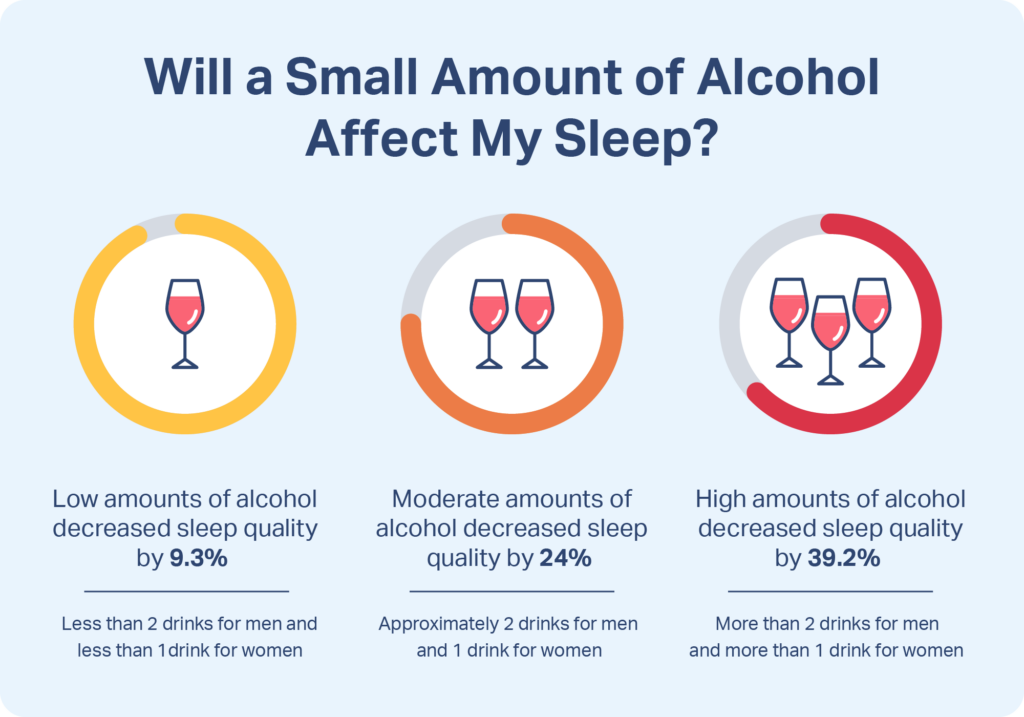
Alcohol impacts sleep for several hours after consumption. Even one drink can reduce sleep quality that night.
Does Drinking Alcohol Before Bed Improve Sleep?
No, alcohol may help you fall asleep faster but worsens sleep quality and disrupts the sleep cycle.
Conclusion
Alcohol can break your natural sleep patterns. It might help you fall asleep faster. But it stops deep, restful sleep later. This can make you feel tired the next day. Poor sleep affects your mood and health. Choosing not to drink before bed helps your body rest.
Good sleep supports your mind and body well. Try to avoid alcohol for better sleep quality. Your body will thank you with more energy. Healthy sleep habits lead to a happier life.