
As an Amazon Associate I earn from qualifying purchases.
Are you struggling to get a good night’s sleep despite trying everything? You might be falling for some common sleep hygiene myths that actually make things worse.
These myths can trick your mind and body, keeping you restless and tired. Imagine finally understanding what really helps your sleep, so you wake up refreshed and energized every day. Keep reading, and you’ll discover the truth behind these myths—and how to fix your sleep for good.
Your best night’s rest is closer than you think.
Quick Navigation
Myth: More Sleep Is Always Better
Many believe that sleeping more always improves health. This idea feels logical. More rest might sound like a simple fix for tiredness. Yet, this is not true for everyone. Too much sleep can sometimes cause problems. Understanding the right amount of sleep matters for wellness.
Optimal Sleep Duration
Most adults need between seven and nine hours of sleep. This range supports body repair and brain function. Sleeping less than seven hours can cause fatigue and poor focus. Sleeping more than nine hours every night may also harm health. The key is to find a personal balance that feels right.
Risks Of Oversleeping
Sleeping too long may increase the risk of heart disease and diabetes. It can also lead to headaches and back pain. Oversleeping might affect mood and energy negatively. People who sleep too much often feel tired during the day. Keeping a consistent sleep schedule helps avoid these risks.
Myth: Naps Disrupt Night Sleep
Many people believe naps harm nighttime sleep. This is a common myth about sleep hygiene. Napping can actually help your body and mind if done right. The key is the length and timing of naps.
Benefits Of Short Naps
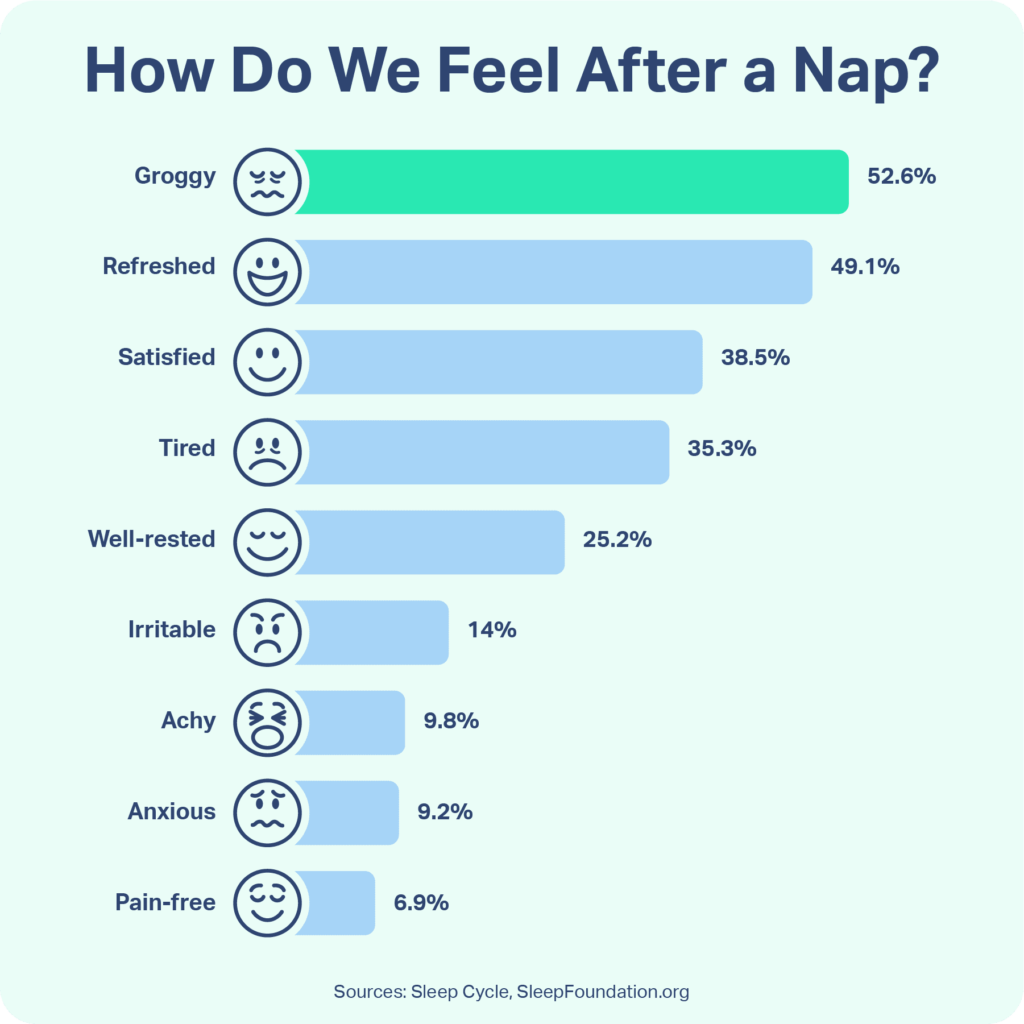
Short naps of 10 to 20 minutes boost alertness. They improve mood and help memory. These naps give quick energy without causing grogginess. Many workers and students find short naps useful.
A brief nap clears mental fog and reduces tiredness. It helps you focus better for the rest of the day. Short naps do not usually affect your ability to fall asleep at night.
When Napping Can Be Harmful
Long naps, especially over 30 minutes, may cause problems. They can lead to sleep inertia—a feeling of grogginess after waking. This may make it hard to fall asleep at night.
Napping too late in the day can also disrupt night sleep. Avoid naps after mid-afternoon to keep your sleep schedule normal. People with insomnia should be cautious about naps to improve night rest.
Myth: Watching Tv Helps You Fall Asleep
Many people believe watching TV helps them fall asleep faster. They think it relaxes the mind and blocks out worries. This idea seems true because the TV provides distraction. Yet, studies show that TV can actually harm sleep quality. Understanding why helps improve bedtime routines.
Impact Of Screen Light
TV screens emit blue light. This light tricks the brain into thinking it is daytime. It stops the body from making melatonin. Melatonin is the hormone that tells the body to sleep. Less melatonin means falling asleep becomes harder. The flickering images also keep the brain alert. This alertness delays the feeling of tiredness.
Better Alternatives Before Bed
Reading a book is a calm and quiet way to relax. Listening to soft music or nature sounds soothes the mind. Gentle stretching or meditation helps the body prepare for sleep. Turning off all screens at least 30 minutes before bed is best. Creating a peaceful, dark room supports falling asleep faster.

Myth: Alcohol Improves Sleep Quality
Many believe alcohol helps with better sleep. A drink before bed seems to relax the mind and body. This idea makes alcohol a popular choice for those having trouble sleeping. The truth is different. Alcohol changes sleep in ways that can cause problems.
Alcohol’s Effect On Sleep Cycles
Alcohol can make you fall asleep faster. It acts as a sedative at first. But it reduces the quality of deep sleep and REM sleep. These stages are important for rest and memory. Later in the night, alcohol causes more waking and restless sleep. This breaks the natural sleep cycle. The result is less refreshing sleep.
Long-term Sleep Consequences
Regular alcohol use before bed can lead to chronic sleep problems. It can cause insomnia and poor sleep quality. Over time, the body needs more alcohol to fall asleep. This creates a harmful cycle. Alcohol can also worsen sleep disorders like sleep apnea. Long-term effects include tiredness, mood swings, and reduced brain function.
Myth: Exercising Close To Bedtime Is Bad
Many people say exercising near bedtime harms sleep. This idea has spread widely but is not always true. Exercise can actually help some people sleep better. The key is knowing what type of exercise and when to do it. Let’s explore this myth and find facts about exercising before bed.
Exercise Timing And Sleep
Exercise raises heart rate and body temperature. These changes can make falling asleep harder for some. But the effect depends on timing and person. Light to moderate exercise an hour before bed usually does not cause problems. Intense workouts right before sleep might keep some awake.
For many, exercising even 30 minutes before bed helps relax the body. It releases stress and improves mood. This can lead to deeper, more restful sleep. The body cools down after exercise, which signals sleep time. People should test what works best for them.
Types Of Evening Workouts
Not all exercises affect sleep the same way. Gentle activities like yoga or stretching calm the mind. These are perfect for late evening sessions. They promote relaxation and ease muscle tension.
Moderate cardio, like walking or cycling, can also be done at night. It helps reduce anxiety and improves sleep quality. High-intensity training may boost energy too much close to bedtime. This may delay sleep for some people.
Myth: Everyone Needs 8 Hours
The idea that everyone needs exactly 8 hours of sleep is a common belief. Many people think this number applies to all ages and lifestyles. Sleep needs can vary widely from person to person. Some may feel rested with less than 8 hours, while others need more. This myth can cause stress for those who don’t meet the 8-hour mark every night.
Individual Sleep Needs
Each person has a unique sleep requirement. Age, health, and daily activity affect how much sleep someone needs. Teenagers and young children usually need more sleep than adults. Older adults might need less. Genetics also play a role in sleep needs. Listening to your body helps find the right amount of sleep.
Signs Of Adequate Sleep
Feeling awake and alert during the day shows good sleep quality. You should not feel overly tired or need naps often. Good mood and focus also indicate enough rest. Falling asleep quickly at night is another sign. If these signs appear, your sleep duration is likely enough for you.
Myth: Sleeping In On Weekends Fixes Sleep Debt
Many believe sleeping in on weekends can fix sleep debt from weekday restlessness. The idea sounds simple and comforting. Just catch up on lost hours, right? Unfortunately, this approach often disrupts the body’s natural rhythm. It can make waking up early on Monday even harder.
Effects Of Irregular Sleep Schedules
Irregular sleep times confuse the body’s internal clock. This leads to poor sleep quality during the week. The body struggles to know when to feel sleepy or alert. Weekend sleeping in shifts the clock later each time. This causes “social jet lag,” making Mondays feel like a struggle. It also affects mood, focus, and energy levels throughout the day.
Tips For Consistent Sleep Patterns
Keep a regular bedtime and wake time every day. This helps the body maintain a steady rhythm. Avoid sleeping too late on weekends to prevent rhythm disruption. Create a relaxing bedtime routine to signal it’s time to sleep. Limit screen use before bed to improve sleep quality. Consistency is key for better rest and feeling refreshed daily.

Frequently Asked Questions
What Are Common Myths About Sleep Hygiene?
Common myths include needing 8 hours exactly, avoiding naps always, and using electronics harms sleep. These misunderstandings affect sleep quality. Knowing facts helps improve your rest and overall health.
Does Drinking Alcohol Improve Sleep Quality?
No, alcohol may help you fall asleep faster but disrupts deep sleep stages. This leads to poorer sleep quality and increased awakenings at night.
Is Staying In Bed When Awake Recommended?
No, staying in bed awake can create negative sleep associations. It’s better to get up and do a quiet activity until sleepy.
Can Watching Tv Before Bed Improve Sleep?
No, watching TV or screens before bed often delays sleep onset. Blue light exposure suppresses melatonin, making it harder to fall asleep.
Conclusion
Sleep hygiene myths can confuse your rest habits. Knowing facts helps you sleep better each night. Avoid believing common false ideas about sleep. Simple changes improve your sleep quality and health. Trust reliable advice for a peaceful, deep sleep. Good sleep supports mood, focus, and energy daily.
Clear up myths and give your body rest. Sleep well, feel better, live healthier.