
As an Amazon Associate I earn from qualifying purchases.
Have you ever woken up feeling tired, even after a full night’s sleep? The answer might be closer than you think—right in the air you breathe.
Your sleep quality is deeply connected to the air around you. Poor air quality can make it harder for your body to rest and recharge. Imagine breathing fresh, clean air that helps you fall asleep faster and wake up refreshed.
Curious to know how the air you breathe impacts your sleep? Keep reading to discover simple ways to improve your sleep by improving your air quality. Your best night’s rest could be just a breath away.

Quick Navigation
Link Between Air Quality And Sleep
Air quality plays a vital role in how well we sleep. Poor air can make it hard to fall asleep and stay asleep. Breathing clean air helps the body relax and recharge. Sleep is a time for healing. Bad air disrupts this process and causes restless nights.
Many people do not realize how much air affects sleep. Tiny particles and gases can irritate the lungs and throat. This irritation causes coughing and sneezing. Such discomfort wakes us up often, cutting sleep short. Understanding this link can improve sleep health.
How Pollutants Disrupt Sleep
Pollutants like dust, smoke, and chemicals cause breathing problems. These irritants trigger allergies and asthma symptoms. They make breathing shallow and uneven during sleep. Lack of oxygen reduces deep sleep stages. This leads to tiredness and poor focus the next day.
Some pollutants increase inflammation in the airways. This causes swelling and narrow breathing paths. The body works harder to get air, causing restlessness. Nighttime coughing and wheezing are common results. These interruptions lower overall sleep quality.
Effects Of Indoor Vs Outdoor Air
Indoor air can be dirtier than outside air. Dust, mold, and pet dander build up indoors. Cooking fumes and cleaning sprays add harmful particles. Poor ventilation traps these pollutants inside the home. Sleeping in such air leads to discomfort and poor rest.
Outdoor air quality changes with seasons and locations. Traffic pollution and industrial emissions raise harmful gases. Breathing this air before sleep can cause irritation. However, fresh outdoor air with low pollution helps sleep. Opening windows or using air purifiers improves indoor air quality.
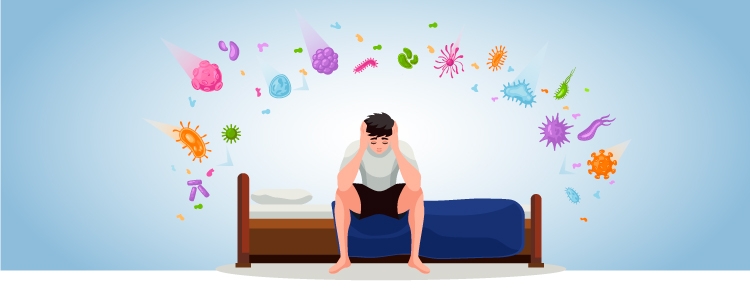
Common Indoor Air Pollutants
Indoor air quality plays a big role in how well you sleep. Many common pollutants inside your home can disturb your rest. These pollutants often go unnoticed but impact your breathing and comfort at night.
Understanding these indoor air pollutants helps you create a healthier sleep space. Here are the most common ones that affect air quality and sleep.
Dust And Allergens
Dust contains tiny particles that float in the air. It includes dead skin cells, fabric fibers, and pet dander. These particles trigger allergic reactions in many people.
Allergens in dust cause sneezing, coughing, and itchy eyes. They can make it hard to breathe and fall asleep. Reducing dust with regular cleaning improves air quality and sleep.
Volatile Organic Compounds
Volatile Organic Compounds (VOCs) come from many household items. Paints, cleaners, and air fresheners release these chemicals. VOCs can cause headaches, dizziness, and throat irritation.
Breathing VOCs while sleeping affects your body’s rest and recovery. Using natural products and ventilating rooms lowers VOC levels. Cleaner air helps you sleep deeper and wake up refreshed.
Mold And Mildew
Mold and mildew grow in damp, dark places inside homes. They release spores that float in the air and irritate lungs. Mold exposure can cause coughing, wheezing, and chest tightness.
These symptoms worsen at night, disturbing sleep quality. Fixing leaks and controlling humidity stops mold growth. A dry, clean environment supports better breathing and rest.
Signs Of Poor Air Quality Impacting Sleep
Poor air quality can disrupt your sleep without you realizing it. The air you breathe at night affects how well you rest. Certain signs show that bad air quality impacts your sleep health. Recognizing these signs helps you take steps to improve your sleep environment.
Frequent Nighttime Awakenings
Waking up many times during the night is a common sign. Pollutants and allergens in the air can irritate your lungs. This irritation may cause coughing or trouble breathing. Your body reacts by waking you up to clear the airway. These interruptions reduce deep sleep and leave you tired.
Morning Congestion And Fatigue
Feeling stuffed up or congested in the morning is another sign. Poor air quality causes nasal passages to swell and block airflow. This leads to a stuffy nose and sore throat upon waking. Fatigue often follows because your body did not rest fully. Morning tiredness may be a result of breathing polluted air all night.
Increased Snoring Or Breathing Issues
Snoring can worsen when the air quality is low. Polluted air causes swelling in the throat and nasal tissues. This narrows the airway and makes breathing noisy. Breathing problems such as gasping or choking may also appear. These issues disturb your sleep and reduce oxygen flow to your body.
Ways To Improve Bedroom Air
Improving the air in your bedroom can help you sleep better. Clean air reduces allergies and keeps your breathing smooth. Simple changes can make a big difference in your sleep quality. Here are some ways to improve the air in your bedroom.
Ventilation Tips
Open windows to let fresh air in. Fresh air removes dust and stale smells. Use a fan to help air move around. Avoid smoking or using strong sprays inside. Keep vents clean so air flows freely.
Using Air Purifiers
Air purifiers remove dust, pollen, and pet dander. Choose one with a HEPA filter for best results. Place it near your bed for cleaner air while sleeping. Turn it on before bedtime and leave it running all night. Clean or change filters regularly to keep it working well.
Choosing Sleep-friendly Plants
Some plants improve air quality by absorbing toxins. Snake plants and peace lilies are good options. They also add a calming touch to your room. Avoid plants that release pollen or strong scents. Keep plants healthy by watering them properly.
Lifestyle Changes For Cleaner Air
Improving the air quality in your home helps you breathe better and sleep well. Small lifestyle changes can make a big difference. Cleaner air reduces irritation in your lungs and helps your body relax. This means deeper, more restful sleep.
Avoiding Indoor Smoking
Smoking inside releases harmful chemicals into the air. These chemicals stay in your home for a long time. They can cause coughing, wheezing, and poor sleep quality. Keep your home smoke-free. This change protects your lungs and improves the air you breathe at night.
Reducing Chemical Use
Many household products contain strong chemicals. These include sprays, cleaners, and air fresheners. These chemicals pollute indoor air and disturb your sleep. Choose natural or low-toxicity products instead. This simple step lowers harmful particles and creates a healthier environment.
Regular Cleaning Habits
Dust and dirt collect quickly inside your home. They trap allergens that irritate your nose and throat. Clean floors, furniture, and bedding often. Use a vacuum with a HEPA filter for best results. Regular cleaning removes these irritants and refreshes your indoor air.
Tech Solutions To Monitor Air Quality
Monitoring air quality at home can improve your sleep quality. Technology offers simple tools to check the air you breathe.
These tools help spot pollution or allergens that disturb sleep. Knowing air quality helps you take quick action for better rest.
Smart Air Quality Monitors
Smart air quality monitors track particles like dust, pollen, and smoke. They give real-time data through easy-to-read displays.
Some devices connect to your phone, sending alerts if air quality drops. This lets you fix problems fast, such as turning on an air purifier.
Monitors often measure humidity and temperature, which also affect sleep comfort. Good air quality can reduce coughing and sneezing at night.
Apps For Tracking Pollution Levels
Apps provide detailed pollution maps and forecasts for your area. They help you avoid going outside when air quality is poor.
Many apps show daily air quality trends and suggest the best times for outdoor activities. This can protect your lungs and improve sleep later.
Apps use simple visuals and alerts to keep you informed. Staying updated lets you manage your environment better every day.
Frequently Asked Questions
How Does Poor Air Quality Disrupt Sleep?
Poor air quality introduces pollutants that irritate the respiratory system. This irritation causes coughing and congestion, leading to frequent awakenings. It reduces overall sleep quality and duration. Clean air promotes uninterrupted, restful sleep by minimizing these disturbances.
Can Indoor Air Pollution Cause Insomnia?
Yes, indoor air pollution can trigger insomnia. Pollutants like dust, mold, and VOCs cause allergic reactions and breathing difficulties. These symptoms increase discomfort and prevent relaxation, making it hard to fall asleep or stay asleep.
What Are Common Air Pollutants Affecting Sleep?
Common pollutants include dust mites, pet dander, mold spores, and volatile organic compounds (VOCs). These irritants provoke allergies and respiratory issues. Exposure during sleep worsens breathing and causes sleep interruptions.
How To Improve Air Quality For Better Sleep?
Use air purifiers to remove allergens and pollutants. Ensure proper ventilation and reduce indoor smoking. Regularly clean bedding and vacuum to lower dust levels. These steps help maintain cleaner air and improve sleep quality.
Conclusion
Clean air helps your body relax and sleep well. Poor air quality can cause coughing and restless nights. A fresh room makes it easier to breathe deeply. Better air means better rest and more energy. Try to keep your bedroom free from dust and smoke.
Small changes can bring big improvements to your sleep. Healthy air supports a healthy mind and body. Sleep well, breathe well, live well.