
As an Amazon Associate I earn from qualifying purchases.
Have you ever tossed and turned all night, feeling too hot to sleep? If so, you’re not alone.
Heat can sneak into your bedroom and steal away your rest without you even realizing it. Your body needs the right temperature to fall asleep and stay asleep deeply. When the heat rises, your sleep quality drops, leaving you tired and cranky the next day.
But why does this happen, and what can you do to fix it? Keep reading to discover how heat affects your sleep and simple steps you can take to reclaim peaceful nights.
Quick Navigation
Heat And Sleep Cycles
Heat plays a big role in how well we sleep. Our sleep cycles depend on body temperature. Changes in heat can make it hard to fall asleep or stay asleep. Understanding how heat affects sleep can help improve rest.
Body Temperature And Sleep Stages
Our body temperature drops as we prepare to sleep. This drop helps the body enter deep sleep stages. When it is too hot, the body cannot cool down properly. This disrupts the natural sleep cycle and causes lighter sleep. A stable, cooler temperature supports better sleep stages.
Heat’s Impact On Rem Sleep
REM sleep is a crucial part of the sleep cycle. It helps with memory and mood. High heat can reduce REM sleep time. This means less mental recovery and feeling tired the next day. Cooler temperatures help maintain longer REM sleep periods.
Thermoregulation During Night
Thermoregulation is the body’s way to keep temperature steady. At night, the body loses heat to cool down. Excess heat makes thermoregulation hard. This causes sweating and restlessness. A cool room aids thermoregulation and promotes continuous sleep.
Effects Of High Temperature
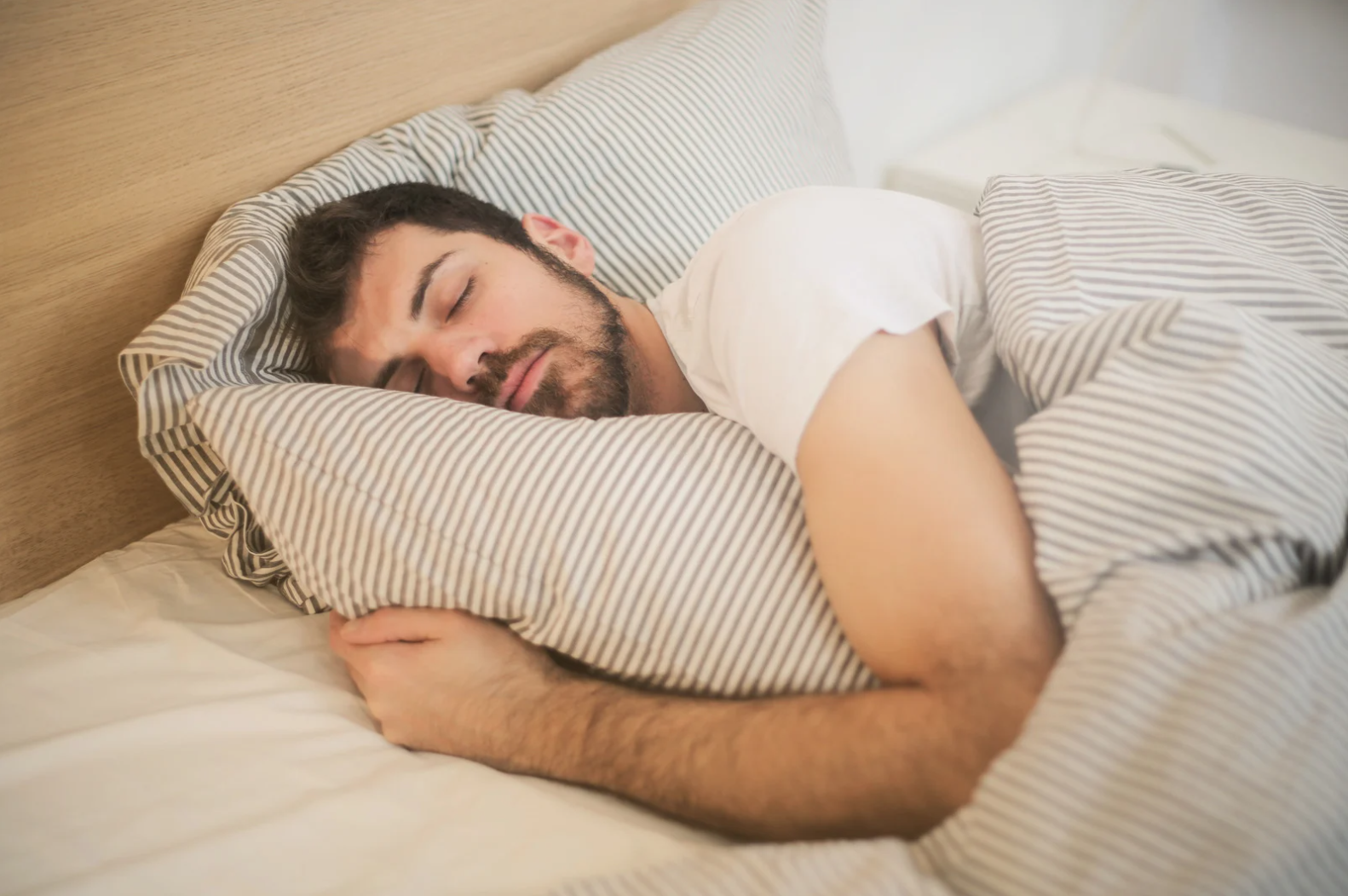
High temperatures can disturb your sleep in many ways. Heat makes it harder for your body to cool down. This cooling is important for good rest. When the room is too warm, sleep quality drops quickly. Understanding these effects helps improve your sleep environment.
Difficulty Falling Asleep
Heat can make falling asleep slow and tough. Your body needs to lower its temperature to start sleep. Warm air stops this process. You may toss and turn longer than usual. This delay can cause frustration and tiredness next day.
Increased Nighttime Awakenings
High temperature often leads to waking up many times. Sweat and discomfort interrupt deep rest. These awakenings break the sleep cycle. You feel less refreshed after sleep. Nighttime disturbances reduce overall sleep time and comfort.
Reduced Deep Sleep
Warm conditions cut down the time spent in deep sleep. Deep sleep restores energy and helps memory. Without enough deep sleep, you feel sluggish and unfocused. Heat lowers the quality of this crucial sleep stage. Cooler rooms support longer and better deep sleep.
Heat-related Sleep Disorders
Heat can cause serious problems for sleep. Many people experience sleep disorders linked to high temperatures. These heat-related sleep disorders disrupt rest and lower sleep quality. Understanding these conditions helps manage sleep better during hot nights.
Heat-induced Insomnia
Heat-induced insomnia happens when the body cannot cool down. High temperatures make falling asleep difficult. Sweating and discomfort keep the mind alert. This condition leads to shorter sleep and tiredness the next day.
Sleep Apnea And Temperature
Heat can worsen sleep apnea symptoms. Breathing pauses become more frequent in hot environments. Heat causes nasal congestion and throat swelling. These make airway blockage worse, reducing oxygen flow during sleep.
Restless Leg Syndrome Triggers
Heat may trigger restless leg syndrome (RLS). Warm temperatures increase nerve sensitivity. This causes uncomfortable sensations in the legs. People often feel an urge to move their legs, disturbing sleep.
Environmental Factors
Environmental factors play a big role in how heat affects sleep quality. The room where you sleep can either help you rest well or make you toss and turn all night. Small changes in your bedroom setup can lead to better sleep during hot nights.
Room Temperature Recommendations
Keep your bedroom cool for better sleep. Experts suggest a temperature between 60°F and 67°F (15°C to 19°C). This range helps your body lower its core temperature, which is important for falling asleep. A room that is too hot can cause restlessness and wakefulness.
Humidity And Sleep Quality
High humidity makes the air feel hotter and sticky. This can disrupt your sleep and cause sweating. Aim for humidity levels between 30% and 50% in your bedroom. Use a dehumidifier or air conditioner to control moisture. Dry air, on the other hand, can cause discomfort, so balance is key.
Bedding And Clothing Choices
Choose breathable bedding made from natural fabrics like cotton or linen. These materials help wick away sweat and keep you cool. Avoid heavy blankets and opt for lighter sheets during hot weather. Wear loose, lightweight pajamas to allow air circulation and reduce heat buildup.
Cooling Strategies For Better Sleep
Heat can make falling asleep and staying asleep hard. Using cooling strategies helps keep your bedroom comfortable. This improves your sleep quality and lets you rest better through hot nights.
Air Conditioning And Fans
Air conditioning lowers room temperature quickly. It creates a cool and fresh environment for sleep. Fans help move air and create a breeze. This breeze helps sweat evaporate, cooling your body naturally. Using both together can keep your room at the best temperature.
Cooling Mattresses And Pillows
Special cooling mattresses and pillows use materials that stay cool longer. They reduce heat buildup under your body. Gel-infused foam and breathable fabrics help air flow. These products stop you from feeling hot and sweaty all night.
Pre-sleep Cooling Habits
Taking a cool shower before bed lowers your body temperature. Drinking cold water helps you feel refreshed. Avoid heavy meals and exercise late at night to keep your body calm. Wear light, breathable clothes to stay cool during sleep.
Heat Sensitivity Variations
Heat affects people differently during sleep. Some feel uncomfortable and restless, while others sleep just fine. These differences come from how sensitive each person’s body is to heat. Several factors like age, gender, and health can change how heat impacts sleep quality.
Age And Heat Tolerance
Older adults often struggle more with heat during sleep. Their bodies do not cool down as well as younger people’s. This can cause night sweats and wakefulness. Children also have a harder time managing heat. Their bodies react quickly to temperature changes, making sleep less restful.
Gender Differences
Men and women feel heat differently at night. Women may experience hotter body temperatures due to hormones. This can lead to more night sweats. Men often tolerate heat better but can still be disturbed by warm rooms. Gender influences how the body cools down during sleep.
Health Conditions Affecting Heat Response
Some health issues make heat harder to handle. Conditions like diabetes and heart disease can affect body temperature control. People with these illnesses may wake up more often in hot weather. Medications can also change how the body reacts to heat. Heat sensitivity is higher in those with certain health problems.
Long-term Impact Of Heat On Sleep
Heat can disturb sleep beyond just one night. Over time, high temperatures can cause lasting harm to your sleep quality. This affects how your body and mind recover each day. Understanding these long-term effects helps you protect your health.
Chronic Sleep Deprivation Risks
Consistently poor sleep caused by heat leads to chronic sleep deprivation. This condition reduces alertness and slows down thinking. It makes daily tasks harder and increases the chance of accidents. Over time, lack of sleep weakens the immune system. This means more sickness and slower recovery from illness.
Mental Health Consequences
Heat-related sleep problems can harm mental health. Sleep loss raises stress levels and causes mood swings. It can increase anxiety and symptoms of depression. Memory and focus also suffer without enough restful sleep. These issues can affect work, school, and relationships.
Physical Health Implications
Long-term heat exposure and poor sleep harm the body. It raises blood pressure and increases heart disease risk. Weight gain and diabetes risks grow as well. Poor sleep slows healing and raises inflammation in the body. Staying cool at night supports better health and wellbeing.


Frequently Asked Questions
How Does Heat Impact Sleep Quality?
Heat raises body temperature, making it harder to fall and stay asleep. It disrupts deep sleep stages, causing frequent awakenings and fatigue.
Why Is A Cool Room Better For Sleep?
A cool room helps lower body temperature, promoting relaxation. This enhances deep sleep, improves sleep duration, and reduces night awakenings.
Can Heat Cause Insomnia Or Restless Sleep?
Yes, excessive heat can cause insomnia by increasing discomfort and restlessness. It leads to difficulty falling asleep and frequent waking.
What Room Temperature Is Ideal For Better Sleep?
The ideal sleep temperature ranges between 60-67°F (15-19°C). This range supports natural body cooling, improving overall sleep quality and comfort.
Conclusion
Heat can make falling asleep much harder. It can cause restlessness and wakefulness at night. Keeping your bedroom cool helps improve sleep quality. Simple steps like using fans or light bedding work well. Staying hydrated also supports better rest during hot nights.
Good sleep is essential for health and mood. Managing heat means you can wake up feeling refreshed. Small changes make a big difference in sleep comfort. Try these tips to enjoy peaceful, cool nights.