
Have you ever thought that sleeping more could actually hurt your sleep quality? It sounds strange, but oversleeping can lower your sleep scores and leave you feeling tired instead of refreshed.
If you want to truly understand how your sleep habits affect your health and energy, keep reading. Discover why sleeping too much might be holding you back from the restful nights you deserve—and how to fix it. Your best sleep is just a few steps away.
Quick Navigation
The Link Between Sleep Duration And Quality
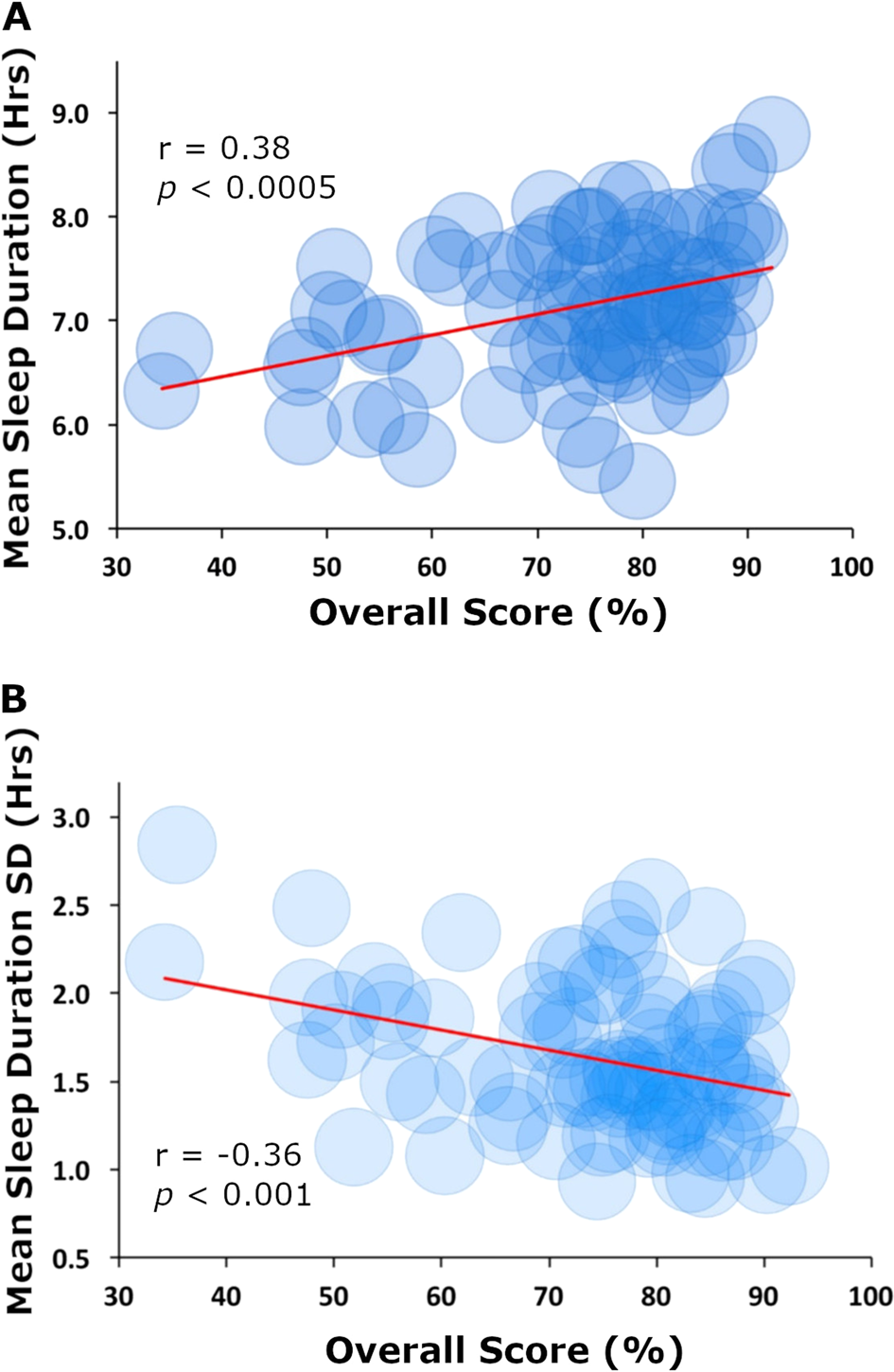
Sleep duration and sleep quality share a close relationship. Good sleep is not just about the number of hours spent in bed. The quality of those hours matters too. Too little sleep can cause tiredness and poor focus the next day. Too much sleep can also harm how well you rest. Understanding this link helps improve your overall sleep score.
Sleeping longer than needed can lead to fragmented rest. This can reduce deep sleep phases, which are key for feeling refreshed. Balancing sleep time supports better recovery and brain function.
Optimal Sleep Hours For Health
Most adults need about 7 to 9 hours of sleep each night. This range supports body repair, memory, and mood stability. Sleeping less than 7 hours often leads to sleep debt and health issues. Sleeping more than 9 hours regularly might signal poor sleep quality or health problems. The right amount of sleep varies but staying close to this range helps maintain good health.
How Oversleeping Disrupts Sleep Cycles
Oversleeping can interrupt your natural sleep rhythm. It may cause more frequent waking during the night. This breaks the continuous cycle needed for deep and REM sleep stages. These stages are critical for mental and physical restoration. Disrupted cycles lower sleep quality and reduce the benefits of rest. Regular sleep schedules promote stable cycles and better sleep scores.
Effects Of Oversleeping On Sleep Scores
Oversleeping affects how well your sleep is scored by tracking devices and apps. These tools measure sleep quality based on time spent in bed and actual restful sleep. Sleeping too long can confuse these devices and lower your sleep score.
Understanding how oversleeping affects sleep scores helps improve your sleep habits. Below are key effects on sleep efficiency and important sleep phases.
Impact On Sleep Efficiency
Sleep efficiency compares the time spent asleep to the total time in bed. Oversleeping increases time in bed without increasing actual sleep time. This lowers sleep efficiency and reduces your sleep score. Devices see this as restless or poor-quality sleep.
Influence On Rem And Deep Sleep Phases
REM and deep sleep are crucial for feeling rested. Oversleeping can disrupt the natural sleep cycle, cutting short these important phases. Less REM and deep sleep means a lower sleep score. Quality matters more than quantity for better rest and recovery.
Common Causes Behind Oversleeping
Oversleeping can feel like a good way to rest more. Yet, it often lowers your sleep score. Understanding why you oversleep helps fix this problem. Many reasons cause people to sleep too long.
Lifestyle Factors
Busy days with little rest cause tiredness. This makes the body want extra sleep. Poor diet and lack of exercise also affect energy. Stress from work or home weighs on the mind. It can lead to sleeping too much to escape.
Irregular sleep schedules confuse your body clock. Sleeping at different times makes rest less effective. Using phones or screens late at night harms sleep quality. These habits push your body to catch up later.
Underlying Health Issues
Some health problems cause long sleep times. Sleep apnea makes breathing stop briefly while sleeping. It reduces sleep quality and makes you feel tired. Depression often brings oversleeping as a symptom. It changes brain chemicals that control sleep.
Other conditions like hypothyroidism or chronic fatigue syndrome also increase sleep needs. Medicines may cause drowsiness and longer sleep. Seeing a doctor helps find if health causes oversleeping.
Risks Associated With Excessive Sleep
Sleeping too much may seem harmless, but it can lower your sleep score. Excessive sleep affects how well your body and brain recover. It may also cause health problems over time. Understanding these risks helps you manage your sleep better and improve your overall well-being.
Cognitive And Mental Health Concerns
Oversleeping can cause foggy thinking and trouble focusing. It may increase feelings of sadness or anxiety. Long sleep hours link to memory problems and slower brain function. Your mood might drop, making daily tasks harder. These effects can reduce your mental sharpness and happiness.
Physical Health Implications
Sleeping too long can harm your heart and metabolism. It raises the risk of diabetes and obesity. Your body may feel tired despite extra rest. Muscle pain and headaches often come with oversleeping. This can lead to a cycle of poor sleep and health issues.
Tips To Regulate Sleep Patterns
Regulating your sleep patterns helps improve your overall sleep quality. Good sleep habits prevent oversleeping, which can lower your sleep scores. Simple steps can help you get better rest and feel more refreshed during the day.
Setting Consistent Sleep Schedules
Go to bed and wake up at the same time every day. This trains your body to follow a regular rhythm. Avoid changing your sleep times on weekends or days off. A steady schedule helps your brain know when to sleep and when to wake. Consistency reduces the chance of oversleeping and improves sleep quality.
Creating A Sleep-friendly Environment
Make your bedroom quiet, dark, and cool. These conditions help your body relax and fall asleep faster. Remove electronic devices that can distract you or emit blue light. Use comfortable bedding and pillows to support your body. A peaceful environment encourages deeper, more restful sleep and better sleep scores.

When To Seek Professional Help
Oversleeping can harm sleep quality and lower sleep scores. It may signal deeper health issues. Knowing when to seek professional help is important for better sleep and health.
Recognizing Sleep Disorders
Sleep disorders often cause oversleeping. Signs include constant tiredness, snoring, or gasping for air during sleep. Difficulty waking up and feeling unrested also indicate problems. These symptoms suggest a need for diagnosis and treatment.
Consulting Sleep Specialists
Sleep specialists evaluate sleep problems in detail. They use tests to find causes like sleep apnea or narcolepsy. Specialists offer treatments to improve sleep quality and reduce oversleeping. Early consultation helps avoid long-term health risks.

Frequently Asked Questions
Why Does Oversleeping Lower Sleep Scores?
Oversleeping disrupts your natural sleep cycle, affecting sleep quality. It can cause grogginess and reduce restorative deep sleep stages, lowering sleep scores.
How Many Hours Of Sleep Are Ideal For Good Scores?
Most adults need 7 to 9 hours of sleep nightly. Consistently sleeping within this range supports better sleep quality and higher sleep scores.
Can Oversleeping Cause Daytime Fatigue And Low Energy?
Yes, oversleeping often leads to feeling tired and sluggish during the day. This paradox happens because excess sleep can disrupt your body’s natural rhythms.
Does Oversleeping Affect Mental Health And Focus?
Oversleeping can increase risks of depression and anxiety. It also impairs concentration, making it harder to stay alert and productive throughout the day.
Conclusion
Oversleeping can harm your sleep quality and lower your sleep score. Sleeping too long disrupts your natural sleep cycle. This can make you feel tired during the day. Good sleep means the right amount of rest each night. Try to keep a regular sleep schedule.
Pay attention to how much you sleep, not just how long. Balanced sleep helps your body and mind work well. Aim for quality, not quantity, to improve your sleep score. Small changes can lead to better rest and more energy.
Remember, healthy sleep habits matter most.