
As an Amazon Associate I earn from qualifying purchases.
Have you ever wondered if sleeping longer automatically means better rest? You might be surprised to learn that how long you sleep isn’t the whole story.
Sleep duration and sleep quality are two sides of the same coin, but they don’t always match up. Understanding the difference can change the way you feel every day—from your energy levels to your mood and focus. Keep reading, because unlocking this secret could be the key to finally waking up refreshed and ready to take on the day.
Quick Navigation
Sleep Duration Basics
Sleep duration means how long you sleep each night. It is the total time spent asleep. Understanding sleep duration helps improve overall health. Too little or too much sleep can cause problems. The right amount of sleep varies by age and lifestyle.
Good sleep duration supports brain function, mood, and energy. It also helps the body repair and grow. Knowing the basics of sleep duration is key to better rest and health.
Recommended Sleep Hours
Experts suggest different sleep times for each age group. Adults usually need 7 to 9 hours of sleep. Teenagers need about 8 to 10 hours. Younger children and babies require even more sleep. These recommendations help the body and mind stay healthy.
Less sleep than recommended can cause tiredness and poor focus. Too much sleep might lead to feeling sluggish. Finding the right balance matters for daily performance and long-term health.
Factors Influencing Sleep Time
Many things affect how long people sleep. Stress and anxiety can reduce sleep hours. Physical activity can increase the need for sleep. Eating habits and caffeine also influence sleep patterns.
Age changes sleep needs over time. Work schedules and lifestyle choices shape sleep duration. Light and noise in the bedroom can impact sleep length. Understanding these factors helps improve sleep habits.
What Defines Sleep Quality
Sleep quality matters more than just how long you sleep. It shows how well your body and mind rest during the night. Good sleep quality means waking up refreshed, not tired. It depends on different factors that happen while you sleep.
Understanding what defines sleep quality helps you improve your rest. Let’s explore the key parts that make sleep good or poor.
Stages Of Sleep Cycle
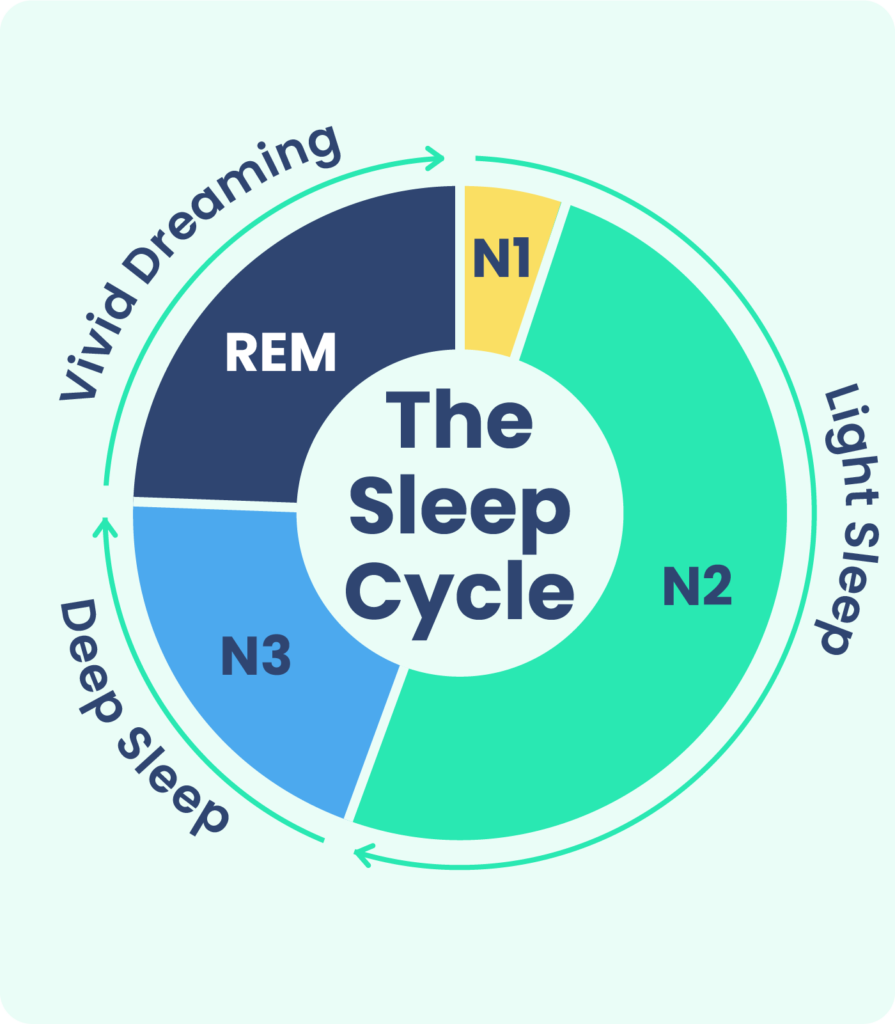
Sleep has several stages that repeat many times each night. These include light sleep, deep sleep, and REM sleep. Each stage plays a special role in healing and memory.
Deep sleep helps your body repair and grow. REM sleep helps your brain process emotions and memories. Skipping these stages lowers sleep quality.
Good sleep cycles mean moving smoothly through all stages. Interruptions or not enough deep or REM sleep can cause tiredness.
Signs Of Good Sleep Quality
You know sleep quality is good when you wake up feeling rested. You should feel alert and ready for the day. Falling asleep quickly and not waking up often are also signs.
Good sleep leaves you calm and focused during the day. No heavy yawning or drowsiness means your sleep was deep and refreshing. These signs show your body had enough time to heal and recharge.
Impact Of Sleep Duration On Health
Sleep duration plays a big role in overall health. The right amount of sleep helps the body repair and recharge. Too little or too much sleep can cause health problems. Understanding how sleep length affects health helps improve well-being and daily energy.
Effects Of Short Sleep
Short sleep means getting less than six hours per night. This can cause tiredness and trouble focusing during the day. Short sleep also weakens the immune system, making illness more likely. It raises the risk of heart disease, diabetes, and high blood pressure. Mood can worsen, causing stress and irritability. Over time, short sleep harms memory and thinking skills.
Risks Of Excessive Sleep
Sleeping more than nine hours regularly is called excessive sleep. This can lead to feelings of fatigue and low energy. Excessive sleep links to health issues like obesity and diabetes. It may increase the risk of heart problems and stroke. Mental health can suffer, causing depression or anxiety. Long sleep might be a sign of an underlying health condition.
Role Of Sleep Quality In Well-being
Sleep quality plays a vital role in overall well-being. It affects how you feel during the day and your body’s ability to heal. Good sleep quality means deeper, uninterrupted rest. This allows the brain and body to recharge fully. Poor sleep quality can leave you tired, stressed, and less focused.
Cognitive Benefits
High-quality sleep improves memory and thinking skills. It helps the brain process information and solve problems. People with good sleep quality stay alert and make better decisions. Sleep also boosts creativity and learning ability. Without proper rest, concentration and mental clarity suffer.
Physical Health Links
Sleep quality impacts the immune system and heart health. It supports muscle repair and growth during deep sleep stages. Poor sleep can lead to weight gain and higher risk of diseases. Good sleep helps control blood sugar and blood pressure levels. Restorative sleep supports energy and physical strength daily.
Balancing Sleep Duration And Quality
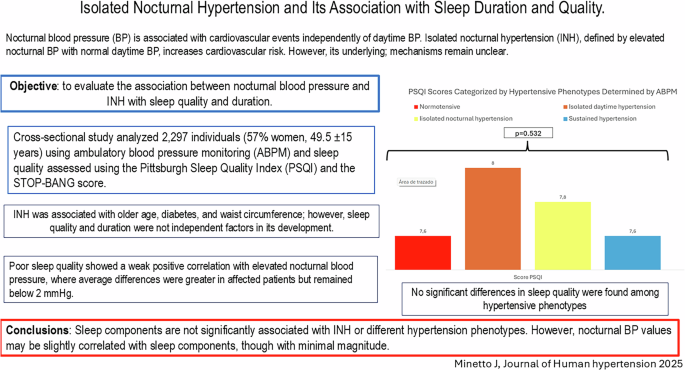
Balancing sleep duration and quality is key to good rest. Getting enough hours of sleep is important. Yet, how well you sleep matters just as much. Poor sleep quality can leave you tired, even after a full night. Good sleep means feeling refreshed and alert the next day.
Understanding this balance helps improve your health and mood. Focusing only on hours might not solve sleep problems. It is important to know what affects both sleep length and quality. Small changes can make a big difference in how you feel.
Common Sleep Problems
Many face trouble falling or staying asleep. Waking up often is a frequent issue. Stress and anxiety disturb sleep patterns. Some people sleep too little or too much. Poor sleep can cause headaches and low energy. These problems reduce the benefits of sleep. Identifying issues helps find the right solutions.
Strategies For Improvement
Create a calm bedtime routine. Avoid screens and bright lights before sleep. Keep a regular sleep schedule every day. Make your bedroom quiet and comfortable. Limit caffeine and heavy meals late at night. Try relaxation techniques like deep breathing. These steps boost both sleep duration and quality. Healthy habits lead to better rest.
Tools To Track Sleep Patterns
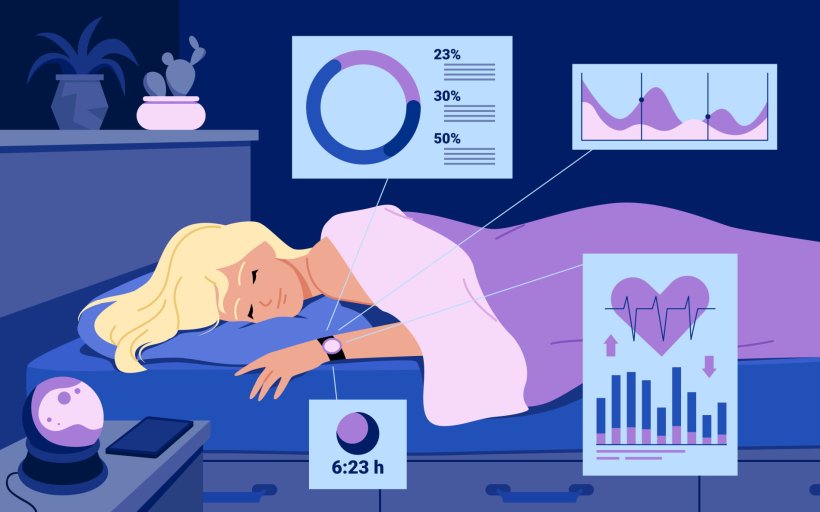
Tracking sleep helps understand both how long and how well you rest. Tools for sleep tracking give clear data on your sleep habits. These tools show patterns you might miss. Knowing these details helps improve your sleep quality and duration.
Wearable Devices
Wearable devices are popular for tracking sleep. They fit on your wrist like a watch. These devices measure heart rate and movement during sleep. This data shows when you fall asleep and wake up. Some wearables also track sleep stages. They provide useful insights about deep and light sleep. Wearables sync with apps to display easy-to-read reports. Regular use helps identify trends and problems in sleep.
Sleep Apps And Journals
Sleep apps use your phone’s sensors to track sleep. They often require placing the phone near your bed. These apps record sounds and movements to estimate sleep quality. Some apps offer tips based on your sleep data. Sleep journals are a manual way to track sleep. Writing down sleep times and feelings can reveal patterns. Journals help connect lifestyle habits with sleep quality. Combining apps and journals gives a full picture of sleep habits.
Lifestyle Changes For Better Sleep
Better sleep starts with simple changes in daily habits. Small shifts in lifestyle can improve both how long you sleep and how well you rest. Quality sleep depends on more than just hours spent in bed. Your everyday choices influence your sleep deeply. Adjusting diet, hydration, exercise, and relaxation can lead to restful nights and brighter days.
Diet And Hydration Tips
A balanced diet supports healthy sleep patterns. Eat foods rich in magnesium, like nuts and leafy greens. These help relax the body and mind. Avoid heavy meals close to bedtime. They can cause discomfort and disrupt sleep.
Limit caffeine and sugar intake in the afternoon and evening. Both can keep you awake longer. Drink enough water throughout the day. Dehydration may cause restless sleep or waking up at night. But avoid drinking too much before bed. It can lead to frequent bathroom trips.
Exercise And Relaxation Techniques
Regular physical activity promotes deeper, more restful sleep. Aim for at least 30 minutes of moderate exercise most days. Morning or early afternoon workouts work best. Exercise raises body temperature, which drops before sleep, aiding relaxation.
Relaxation routines prepare your mind and body for rest. Try gentle stretching or yoga before bedtime. Deep breathing exercises calm the nervous system. Limit screen time an hour before bed. Blue light from devices can interfere with sleep signals.
Frequently Asked Questions
What Is The Difference Between Sleep Duration And Sleep Quality?
Sleep duration is the total time you spend sleeping. Sleep quality measures how restful and uninterrupted your sleep is. Both affect overall health but quality often impacts well-being more than just duration.
How Does Sleep Quality Affect Overall Health?
Good sleep quality improves memory, mood, and immune function. Poor quality sleep can lead to fatigue, stress, and chronic health issues. Quality matters as much as quantity for maintaining optimal health.
Can Short Sleep Duration Be Offset By High Sleep Quality?
High sleep quality can partially compensate for shorter sleep duration. However, consistently short sleep may still harm cognitive and physical health over time. Balance between both is essential for best results.
How Much Sleep Do Adults Need For Good Quality Rest?
Adults typically need 7-9 hours of sleep per night. Quality sleep within this duration supports recovery and mental function. Less or fragmented sleep reduces the benefits of total sleep time.
Conclusion
Sleep duration and quality both affect how well you rest. Getting enough hours matters, but deep, uninterrupted sleep matters more. Good sleep helps your body heal and your mind focus. Avoid rushing to bed or waking too late. Create a calm space and keep a routine.
Small changes can improve your sleep a lot. Remember, feeling fresh depends on both how long and how well you sleep. Choose habits that support both for better health and energy every day.