
As an Amazon Associate I earn from qualifying purchases.
Are you wondering if your sleep is actually getting better? It’s not always easy to tell.
Sometimes, you might feel a little more rested, but how can you be sure your sleep is truly improving over time? Knowing the right signs to look for can make a big difference. You’ll discover simple ways to spot real progress in your sleep quality.
By paying attention to these key clues, you’ll feel more confident about your rest—and wake up ready to take on the day. Keep reading, and learn how to track your sleep improvement step by step.
Quick Navigation
Tracking Sleep Patterns
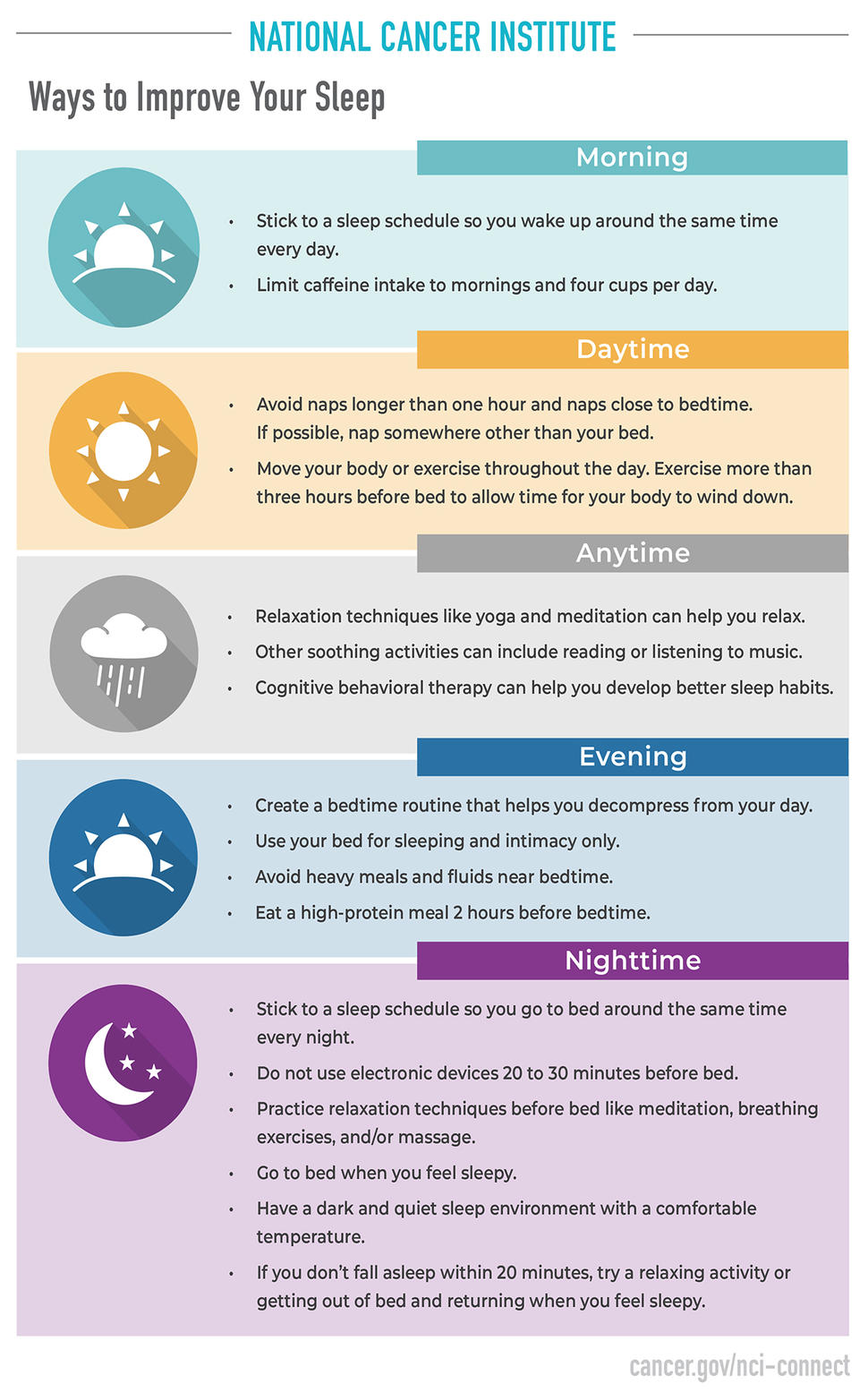
Tracking sleep patterns helps you understand how well you rest each night. It shows changes over days or weeks. This can guide you to better sleep habits and routines. You notice trends and spot problems early. Two common methods make tracking simple and effective.
Using Sleep Journals
Sleep journals are easy to start and use. Write down when you go to bed and wake up. Note how many times you wake up at night. Record how you feel in the morning. This helps you see if you get enough rest. It also shows what might disturb your sleep. Over time, patterns appear that tell your sleep story.
Leveraging Sleep Tracking Devices
Sleep tracking devices give detailed data about your rest. They measure your movement and heart rate during sleep. Some track your breathing and sleep stages too. This information helps you learn about your sleep quality. Devices often sync with apps for easy review. You can compare nights and find ways to improve. Using technology makes tracking less work and more precise.
Noticing Energy Changes
Noticing changes in your energy is a key sign of better sleep. It shows how your body reacts to rest. Watch for small shifts in how you feel during the day. These clues help you see if your sleep is improving over time.
Morning Alertness
Waking up feeling clear and ready means your sleep is better. You might notice less grogginess and fewer moments of confusion. Getting out of bed feels easier. Your mind feels sharper and more focused. This alertness signals your body had enough rest to reset.
Daytime Fatigue Levels
Feeling tired less often during the day is a positive sign. You may find yourself needing fewer naps or breaks. Energy stays more steady from morning to evening. Less yawning and dragging means your sleep supports your daily tasks. Watch how long you can stay active without feeling drained.
Observing Mood Shifts
Observing mood shifts is a key way to notice sleep improvement over time. Good sleep affects how you feel each day. Changes in mood can show if your sleep quality is getting better. Watch your feelings closely to catch these signs.
Reduced Irritability
Sleep helps calm the mind. When you sleep well, you feel less annoyed. Small problems bother you less. Your patience grows. You react slower to stress. This shows your brain is resting better. Reduced irritability means your sleep is improving.
Improved Emotional Stability
Stable emotions come from good sleep habits. You feel more balanced and less moody. Your highs and lows become gentle. You handle feelings with more control. This stability means your brain recovers well at night. Notice fewer emotional swings as your sleep gets better.
Evaluating Cognitive Function
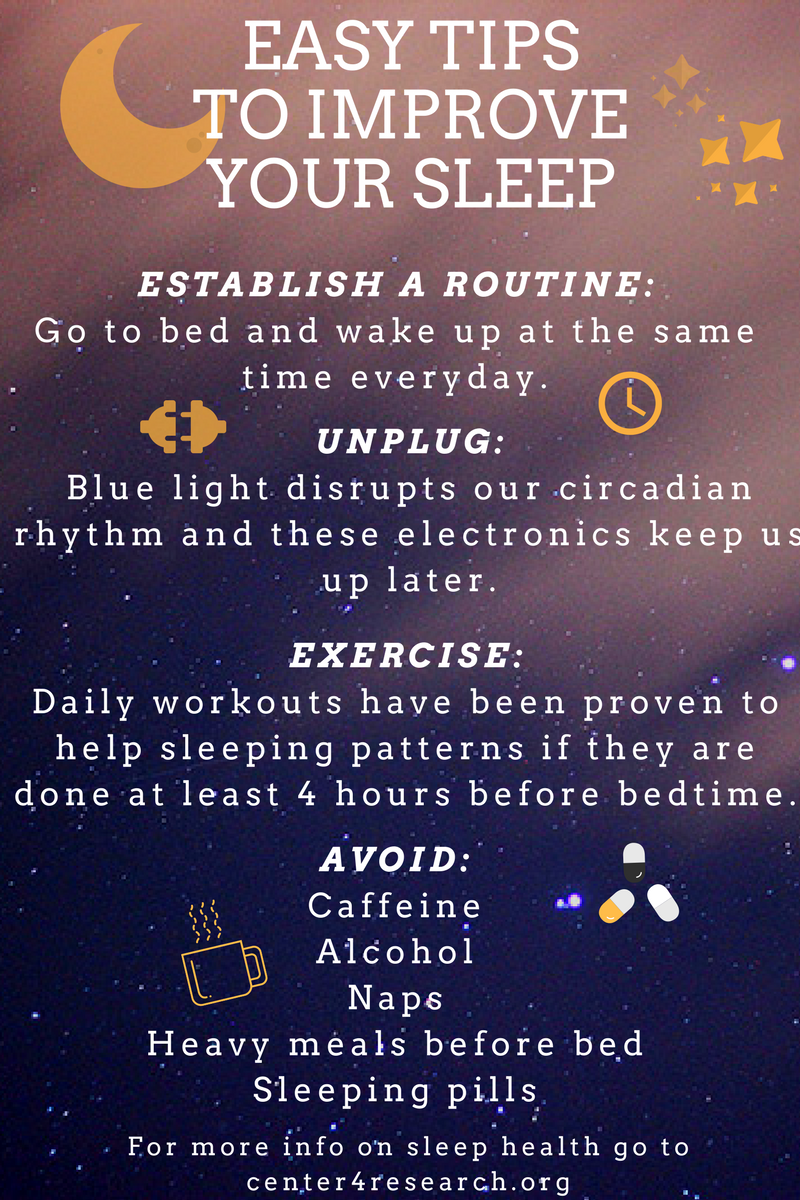
Evaluating cognitive function helps track sleep improvement over time. Sleep affects the brain’s ability to work well. Poor sleep can cause forgetfulness and trouble focusing. Better sleep supports clear thinking and sharp memory. Watch for changes in how your brain feels daily.
Memory Clarity
Sleep boosts the brain’s ability to store memories. Notice if you remember names, dates, or tasks easier. Less confusion and fewer forgotten items show memory clarity. Keep a simple journal to track memory changes each day. Clearer memory means your sleep quality is improving.
Focus And Concentration
Good sleep helps maintain focus on tasks. You may find it easier to finish work or school activities. Pay attention to how long you can concentrate without losing track. Improved focus often means your brain is getting enough rest. Note any reduction in distractions or daydreaming.
Physical Health Indicators
Physical health shows clear signs of better sleep over time. Sleep helps the body heal and stay strong. Changes in your body can prove that your sleep is improving. Watch for these key signs.
Lowered Stress Levels
Good sleep lowers stress hormones in the body. You may feel calmer and less anxious. Your muscles relax more easily. Heart rate slows down during rest. These changes help you feel peaceful daily. Less stress means better focus and mood too.
Better Immune Response
Sleep boosts the immune system’s power. You get sick less often and recover faster. Cuts and bruises heal more quickly. Your body fights infections with more strength. A strong immune system shows your sleep is working well. This helps you stay healthy longer.
Sleep Quality Improvements
Sleep quality improvements show how well your body rests each night. Better sleep means waking up feeling more refreshed. You may notice changes in how easily you fall asleep and how often you wake up during the night. These signs help you track your sleep progress.
Tracking sleep quality helps you understand your sleep habits. It guides you to make better choices for rest and health.
Decreased Nighttime Awakenings
Waking up fewer times at night means your sleep is deeper. Less interruption helps your body complete important rest cycles. You feel more rested and alert the next day. Notice if you wake up less or stay asleep longer after waking. This change is a clear sign of better sleep quality.
Falling Asleep Faster
Falling asleep quickly shows your body is ready for rest. It means less tossing and turning before sleep. You enter the first sleep stage faster, which improves overall rest. Check if you fall asleep in less than 20 minutes. Faster sleep onset usually means improved sleep health.
Frequently Asked Questions
How Can I Measure Sleep Improvement Effectively?
Track your sleep duration and quality with apps or journals. Notice reduced waking times and feeling more refreshed. Consistent sleep patterns indicate positive improvement over time.
What Are Common Signs Of Better Sleep Quality?
Improved mood, higher energy, and less daytime fatigue are key signs. You may also experience fewer night awakenings and faster sleep onset.
How Long Does It Take To Notice Sleep Improvements?
Most people observe changes within two to four weeks. Consistency in sleep routine and healthy habits accelerates noticeable improvements.
Can Improved Sleep Affect Daily Productivity?
Yes, better sleep enhances focus, memory, and decision-making skills. It reduces errors and boosts overall work efficiency and creativity.
Conclusion
Tracking small changes in your sleep helps you see real progress. Notice how you feel each morning and during the day. Better energy and mood often mean better sleep. Keep a simple sleep diary to spot patterns easily. Remember, good sleep takes time and patience.
Stay consistent with your habits and give your body a chance to adjust. Your efforts will show in how you rest and wake up. Sleep improvement is a slow but steady journey worth taking.