
As an Amazon Associate I earn from qualifying purchases.
Have you ever wondered what your heart is doing while you sleep? Your resting heart rate during sleep holds important clues about your overall health and well-being.
Understanding this simple number can help you unlock better sleep quality, boost your energy, and even spot early signs of health issues. You’ll discover what resting heart rate during sleep means, why it matters to you, and how you can use this knowledge to take control of your health.
Keep reading to find out how paying attention to your heart while you rest can make a big difference in your life.
Quick Navigation
What Resting Heart Rate Reveals
Your resting heart rate during sleep reveals much about your health. It shows how well your heart rests and recovers. It can also hint at your fitness level and stress. Tracking this rate helps detect changes in your body’s condition early.
Understanding what resting heart rate reveals during sleep helps you make better health choices. It gives clues about your heart’s strength and how your body handles rest.
Basics Of Resting Heart Rate
Resting heart rate is the number of heartbeats per minute while at rest. During sleep, it usually drops lower than during the day. A normal resting heart rate for adults ranges from 60 to 100 beats per minute. Athletes or very fit people often have lower rates, sometimes below 60.
A lower resting heart rate often means a stronger heart. The heart pumps more blood with fewer beats. A higher rate can signal stress, dehydration, or illness. Watching your resting heart rate helps track your heart health over time.
Why Sleep Matters For Heart Rate
Sleep is the time when your body repairs itself. Your heart rate slows down as your body relaxes. Deep sleep stages cause the heart to beat slower. This rest is crucial for heart health and overall recovery.
Poor sleep can raise your resting heart rate. This happens because your body stays in a state of alertness. High heart rates during sleep can be a sign of sleep disorders or stress. Good sleep habits help keep your heart rate steady and healthy.
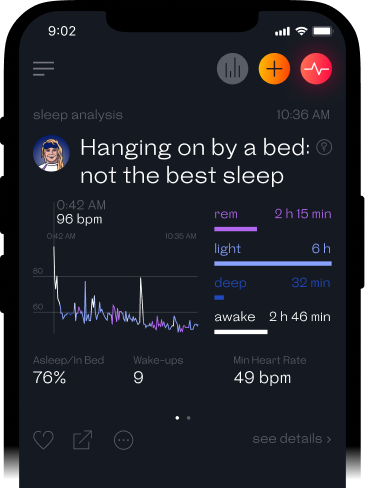
How Sleep Affects Heart Rate
Sleep has a strong effect on heart rate. During sleep, the body rests and repairs itself. The heart rate slows down to help this process. Understanding how sleep changes heart rate can help you improve your health.
Heart Rate Changes Across Sleep Stages
The heart rate varies in different sleep stages. In light sleep, it stays steady but slower than when awake. During deep sleep, the heart rate drops to its lowest. This helps the body heal and grow stronger.
In REM sleep, the heart rate becomes irregular. It can speed up or slow down quickly. This stage is when dreaming happens, and the brain is very active. The heart works harder but still rests compared to daytime activity.
Factors Influencing Heart Rate At Night
Many things can change your heart rate while you sleep. Stress raises the heart rate and can keep it high. Medications and caffeine also affect how fast your heart beats.
Physical fitness plays a role too. People who exercise often have a lower resting heart rate at night. Room temperature and sleep quality can change heart rate as well.
Tracking Resting Heart Rate During Sleep
Tracking your resting heart rate during sleep helps you understand your heart health better. Your heart rate changes as your body rests and recovers. Knowing these changes can show how well your body handles stress and repairs itself. Monitoring heart rate at night gives clues about your overall health and sleep quality.
Tools And Devices To Monitor
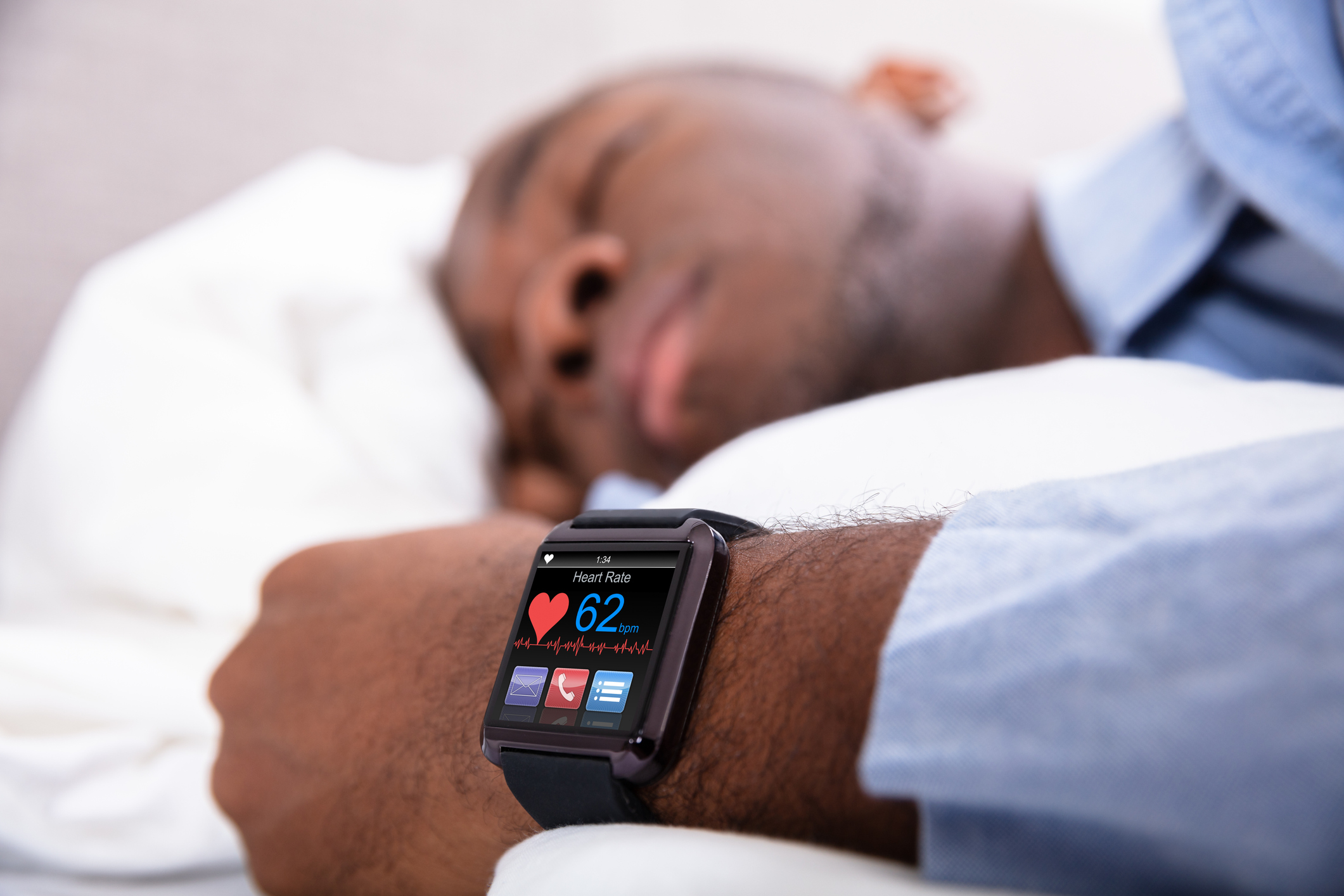
Many devices can track your heart rate while you sleep. Fitness trackers and smartwatches measure heart beats per minute with sensors. Some devices use chest straps for more accurate readings. Smartphone apps can also work with these devices to collect data. Choose a tool that fits your comfort and budget. Wear it every night to get consistent results.
Interpreting Nighttime Heart Rate Data
Nighttime heart rate data shows how your heart behaves during sleep. A lower heart rate usually means good rest and recovery. Sudden spikes may signal stress or health issues. Compare your data over time to spot trends or changes. Talk to a doctor if your heart rate stays very high or low. Use this data to improve sleep habits and overall health.
Health Insights From Sleep Heart Rate
Monitoring heart rate during sleep offers valuable clues about overall health. The resting heart rate reflects how well the heart works when the body is at rest. This number changes during sleep, showing how the body recovers and responds to daily activities.
Analyzing heart rate while sleeping helps track heart health and stress levels. It reveals patterns that might not appear during the day. Understanding these insights can guide better health choices and early detection of issues.
Indicators Of Cardiovascular Health
A steady, low resting heart rate during sleep often means a strong heart. It shows the heart pumps blood efficiently with less effort. Sudden rises or irregular heartbeats might signal heart problems. Tracking these changes helps doctors spot risks early.
Good sleep heart rate patterns support healthy blood pressure and circulation. Poor heart rate trends can warn of conditions like arrhythmia or heart disease. Regular monitoring provides a clear picture of heart health over time.
Detecting Stress And Recovery Levels
Sleep heart rate reveals how well the body manages stress. Higher rates at night may indicate stress or anxiety. Lower rates suggest good recovery and relaxation. This information guides lifestyle changes to improve rest and reduce stress.
Resting heart rate also shows how the body recovers from exercise or illness. A slower heart rate after activity means the body is healing properly. Tracking recovery helps avoid overtraining and supports better health habits.
Improving Resting Heart Rate While Sleeping
Improving your resting heart rate during sleep can boost overall health. A lower resting heart rate shows a strong, efficient heart. Good sleep and heart health go hand in hand. Small changes in daily habits help your heart rest better at night.
Lifestyle Changes For Better Sleep Heart Rate
Regular exercise helps lower resting heart rate. Aim for moderate activity like walking or cycling. Avoid heavy workouts close to bedtime. Manage stress with deep breathing or meditation. Stress raises heart rate and disrupts sleep. Limit caffeine and alcohol, especially in the evening. These can increase heart rate and cause restless sleep. Stay hydrated, but reduce fluids before bed to avoid waking up.
Sleep Hygiene Tips To Optimize Heart Health
Create a quiet, dark sleep space. Noise and light can raise heart rate during sleep. Keep the bedroom cool and comfortable. A cool room helps the body relax. Stick to a consistent sleep schedule daily. This supports natural heart rhythm and rest. Avoid screens at least one hour before bed. Blue light can interfere with sleep hormones and heart rate. Use calming routines like reading or gentle stretches to unwind.
Frequently Asked Questions
What Is A Normal Resting Heart Rate During Sleep?
A normal resting heart rate during sleep ranges from 40 to 60 beats per minute. It slows down as your body relaxes. Factors like age, fitness, and health can influence this rate.
Why Does Resting Heart Rate Drop During Sleep?
Resting heart rate drops during sleep because the body enters a relaxed state. The parasympathetic nervous system slows the heart. This helps conserve energy and promote healing.
How Can Resting Heart Rate Indicate Sleep Quality?
A consistent low resting heart rate during sleep usually signals good sleep quality. High or irregular rates may suggest stress, poor sleep, or health issues. Monitoring this helps improve overall rest and recovery.
Can Sleep Disorders Affect Resting Heart Rate?
Yes, sleep disorders like sleep apnea can raise resting heart rate. Interrupted breathing causes stress on the heart. Treating these disorders often normalizes heart rate during sleep.
Conclusion
Understanding your resting heart rate during sleep helps you track your health better. It shows how well your body recovers and rests each night. Changes in this rate can point to stress, illness, or fitness levels. Paying attention to these signs lets you take simple steps for better sleep and health.
Small habits, like relaxing before bed, can make a big difference. Keep your heart healthy by knowing what your sleep heart rate tells you. Stay aware, stay healthy.