
As an Amazon Associate I earn from qualifying purchases.
Have you ever wondered what your restless nights really mean? Tossing and turning might seem like a simple sign of discomfort, but it actually reveals a lot about your sleep quality.
Understanding how these movements affect your sleep data can help you take control of your rest and wake up feeling refreshed. If you want to discover the surprising impact of tossing and turning on your sleep patterns—and learn how to improve them—keep reading.
Your best night’s sleep could be just a few insights away.
Quick Navigation
Sleep Data Basics
Understanding sleep data helps us see how tossing and turning affects rest. Sleep data gives clear facts about our sleep patterns. It shows how well we sleep each night. This information helps improve sleep quality and health. Let’s look at the basics of sleep data.
Types Of Sleep Data
Sleep data comes in many forms. Some data tracks movement during the night. Other data measures brain activity or heart rate. There is also data on breathing and oxygen levels. Wearable devices and apps often collect this data. Each type helps paint a full picture of sleep.
Common Sleep Metrics
Sleep metrics are numbers that describe sleep quality. Total sleep time shows how many hours you sleep. Sleep efficiency measures the percentage of time spent asleep. Sleep stages track light, deep, and REM sleep. Tossing and turning affects these metrics by disrupting sleep cycles. Tracking these helps find sleep problems early.

What Tossing And Turning Means
Tossing and turning means moving your body a lot while trying to sleep. It shows your body is not resting well. This can affect how deep and restful your sleep is. Understanding what happens during tossing and turning helps explain why sleep data changes.
Physical Movements During Sleep
Tossing and turning include small and big body movements. You might change your position often. Arms, legs, and head can move several times each night. These movements disturb your sleep cycles. They stop your body from entering deep sleep stages. This can make you feel tired the next day.
Causes Of Tossing And Turning
Many things cause tossing and turning. Stress and anxiety often lead to restless sleep. Uncomfortable bedding or room temperature can also cause it. Health problems like pain or breathing trouble make moving during sleep more likely. Poor sleep habits increase tossing and turning too.
Impact On Sleep Quality
Tossing and turning during the night can harm how well you sleep. It interrupts your natural sleep cycle. This disturbance lowers the overall restfulness of your sleep. The body struggles to reach deep, restorative sleep stages. Without good sleep, you may feel tired and less focused the next day.
Sleep data shows that frequent movement in bed links to poor sleep quality. It can lead to shorter sleep duration and less time in important sleep phases. Understanding this impact helps explain why restless nights feel unrefreshing.
Effect On Sleep Stages
Sleep has different stages, including light, deep, and REM sleep. Tossing and turning can shorten the time spent in deep and REM sleep. These stages are vital for memory, learning, and physical recovery. Interruptions stop the brain from completing these cycles fully. As a result, the body misses out on essential healing processes.
Sleep Fragmentation
Sleep fragmentation means breaking sleep into many short parts. Tossing and turning cause these breaks. This stops the body from entering longer, uninterrupted sleep phases. Fragmented sleep leads to feeling less rested and more tired during the day. It also lowers sleep efficiency, making the night less productive for rest.
Detecting Patterns In Sleep Data
Detecting patterns in sleep data helps us understand tossing and turning. Sleep trackers collect data on body movements throughout the night. This information shows how often a person moves and how it affects their sleep quality.
Studying these patterns reveals hidden details about sleep disruptions. It helps to find causes of restless nights and improve sleep habits.
Analyzing Movement Frequency
Movement frequency counts how many times a person moves during sleep. More frequent movements often mean lighter sleep stages. Each turn or shift signals a possible break in deep sleep.
Tracking this frequency over several nights shows if restless sleep is regular. A high number of movements can point to discomfort or stress.
Correlating Movements With Sleep Disruptions
Movements often happen before waking up or during brief wake periods. By matching movement data with sleep stages, we see when disruptions occur. Tossing and turning can cause drops in sleep quality.
Patterns show that more movements usually lead to shorter deep sleep phases. This means the body gets less rest and recovery time. Understanding this link helps improve sleep routines and comfort.
Tools For Monitoring Tossing And Turning
Monitoring tossing and turning helps understand sleep quality better. Tools available today make tracking easy and accurate. These tools collect data about movement during sleep. This data shows how restless a person is at night. Knowing this can help improve sleep habits and health.
Wearable Devices
Wearable devices track movement and heart rate all night. Many look like wristwatches or bands. They sense when you toss or turn in bed. Some devices also monitor breathing patterns. Data from these devices syncs with apps for easy review. Users can see trends and patterns in their sleep.
Smart Mattresses And Sensors
Smart mattresses have built-in sensors that detect movement. These sensors record how often and how much you move. Some mattresses also track your sleep stages. Sensors placed under the mattress work without wearing anything. They provide detailed data without disturbing sleep. This data helps find reasons behind restless nights.
Improving Sleep By Reducing Movements
Reducing tossing and turning can improve your sleep quality. Less movement during sleep means deeper rest and better recovery. Sleep data shows fewer disturbances lead to longer sleep stages. Moving less helps your body stay relaxed and calm all night.
Sleep Environment Adjustments
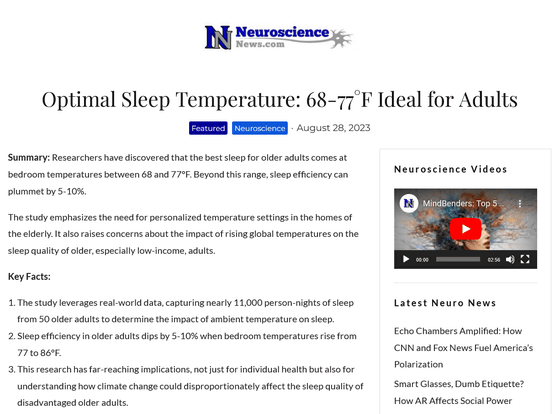
Make your bedroom quiet and dark. Use blackout curtains to block outside light. Keep the room cool, around 65°F (18°C), for comfort. Choose a mattress that supports your body well. Use pillows to support your neck and spine. Remove distractions like phones and TVs. A calm environment helps reduce restless movements.
Behavioral And Lifestyle Changes
Stick to a regular sleep schedule every night. Avoid caffeine and heavy meals before bedtime. Try relaxing activities like reading or gentle stretching. Practice deep breathing to calm your mind. Exercise regularly but not too close to bedtime. These habits lower stress and help your body relax. Less stress means less tossing and turning.
Future Trends In Sleep Data Analysis
Sleep data analysis is evolving quickly. New tools and methods help us understand sleep better. This progress shows promise for people who toss and turn at night. Future trends focus on smarter and more personal sleep tracking. These trends aim to improve sleep quality by using advanced technology.
Ai And Machine Learning Applications
Artificial intelligence helps analyze sleep patterns faster. Machine learning finds hidden trends in tossing and turning. It can predict poor sleep before it happens. AI systems learn from many users’ data. This helps improve accuracy in sleep monitoring. They can spot subtle movements that affect rest. This technology offers deeper insights than before.
Personalized Sleep Insights
Sleep data can now be tailored to each person. Personalized insights guide users to better sleep habits. They show how tossing and turning affects individual rest. This helps users make small changes for big benefits. Sleep apps suggest actions based on personal data. This makes sleep advice more useful and easier to follow. Personalized feedback creates a better path to restful nights.

Frequently Asked Questions
What Does Tossing And Turning Indicate About Sleep Quality?
Tossing and turning often signal restless sleep or discomfort. It can lower sleep quality by disrupting deep sleep stages and preventing full rest.
How Does Tossing And Turning Affect Sleep Tracking Data?
Frequent movements can cause inaccuracies in sleep tracking devices. Tossing and turning may be recorded as wakefulness, skewing overall sleep duration and efficiency data.
Can Tossing And Turning Predict Sleep Disorders?
Yes, excessive tossing and turning might indicate sleep disorders like insomnia or sleep apnea. It’s a useful symptom to discuss with a healthcare provider.
Does Tossing And Turning Impact Rem Sleep Duration?
Tossing and turning can reduce REM sleep by causing frequent awakenings. This interruption affects memory consolidation and emotional health linked to REM stages.
Conclusion
Tossing and turning can change your sleep data a lot. It shows your body’s restlessness and affects sleep quality. Tracking these movements helps understand your sleep patterns better. Good sleep means less tossing and more deep rest. Pay attention to how often you move at night.
Small changes can improve your sleep and health. Sleep data tells a story—listen closely to it. Rest well, feel better, and wake up refreshed.