
As an Amazon Associate I earn from qualifying purchases.
Are you struggling to get a good night’s sleep, even though you follow all the usual advice? What if the key to better rest lies hidden in your daily habits—and your sleep data holds the clues you need?
Imagine waking up feeling refreshed every morning because you understand exactly how your daily choices affect your sleep. You’ll discover simple ways to combine your sleep data with your everyday routines. By the end, you’ll have clear, actionable steps to improve your sleep and boost your energy.
Ready to unlock the secret to better rest? Keep reading—you won’t want to miss this.
Quick Navigation
Tracking Sleep Patterns
Tracking sleep patterns helps you understand your rest better. It shows how well you sleep and reveals habits affecting sleep quality. Using data from sleep trackers, you can spot trends and improve your nightly routine. Sleep patterns connect closely with daily habits like exercise, diet, and stress.
Choosing The Right Sleep Tracker
Select a sleep tracker that fits your needs and budget. Some use wristbands, others use rings or smartwatches. Look for trackers that monitor heart rate and movement. Accuracy matters. A good tracker should record your sleep stages clearly. Ease of use also helps you stay consistent with tracking.
Analyzing Sleep Stages
Sleep has different stages: light, deep, and REM sleep. Each stage has a role in restoring your body and mind. Tracking these stages shows how balanced your sleep is. Deep sleep helps with physical recovery. REM sleep supports memory and creativity. Understanding these stages guides better sleep habits.
Identifying Sleep Disruptions
Sleep disruptions can reduce rest quality. They include waking up often or breathing problems. Trackers can detect these interruptions during the night. Spotting disruptions helps you find causes like stress or room noise. Fixing these issues leads to smoother, longer sleep cycles.
Monitoring Daily Habits
Monitoring daily habits helps link your lifestyle with sleep quality. Tracking these habits reveals patterns that affect rest and recovery. Small changes in daily routines can improve sleep significantly. Focus on diet, physical activity, and screen time to see clear effects.
Recording Diet And Hydration
Note what you eat and drink throughout the day. Foods high in sugar or caffeine can disrupt sleep. Drinking enough water supports overall health and helps the body relax. Track meal times to see if eating late affects sleep. Simple records show how diet influences rest.
Logging Physical Activity
Write down the type and length of exercise you do. Exercise boosts sleep quality but timing matters. Working out too close to bedtime can make falling asleep hard. Morning or afternoon activity usually helps the body wind down. Tracking helps find the best routine for better sleep.
Tracking Screen Time And Breaks
Monitor how long you use phones, computers, and TVs daily. Blue light from screens can delay sleep onset. Take regular breaks to reduce eye strain and mental fatigue. Avoid screens at least one hour before bed. This habit supports the body’s natural sleep cycle.
Linking Sleep With Habits
Linking sleep with daily habits helps improve rest and energy. Sleep data shows patterns over time. Daily habits influence how well you sleep. Tracking both helps find what affects sleep quality. Small changes in routines can make a big difference. Understanding these links guides better decisions for health.
Finding Correlations Between Sleep And Energy
Sleep data reveals how many hours you rest each night. Energy levels fluctuate throughout the day. Compare sleep quality with your energy to find patterns. Poor sleep often leads to low energy during the day. Good sleep usually means feeling more alert and active. Tracking these links helps understand how sleep affects daily energy.
Spotting Habit Triggers For Poor Sleep
Daily habits like eating, screen time, and exercise impact sleep. Identifying habits before bedtime shows what causes poor rest. Late caffeine or heavy meals can disturb sleep cycles. Using sleep data can reveal when habits harm your sleep. Notice if certain habits always lead to restless nights. Awareness helps avoid triggers and improve sleep quality.
Using Data To Adjust Routines
Sleep tracking tools provide clear data on sleep patterns. Use this information to change habits that hurt sleep. Try earlier bedtimes or less screen time before sleep. Adjust daily routines based on what the data shows. Small changes over time can improve sleep and energy. Data-driven adjustments create a better, healthier sleep schedule.
Optimizing Energy Levels
Optimizing energy levels is key to feeling good all day. Sleep data can help understand how daily habits affect your energy. Small changes in your routine can improve how you feel. Combining sleep insights with daily actions boosts energy naturally.
Improving Sleep Quality Through Habits
Good sleep starts with simple habits. Keep a regular bedtime and wake time. Avoid screens at least one hour before bed. Make your bedroom quiet, dark, and cool. These habits help your body rest deeply. Better sleep means more energy during the day.
Timing Meals And Exercise
When you eat affects your sleep and energy. Avoid heavy meals close to bedtime. Try to finish eating two to three hours before sleep. Exercise boosts energy but not right before bed. Morning or afternoon workouts help improve sleep quality.
Incorporating Relaxation Techniques
Relaxation helps your body prepare for restful sleep. Try deep breathing or light stretching before bed. Meditation can calm your mind and reduce stress. These techniques improve sleep quality and daytime energy. A calm evening routine supports better rest.
Enhancing Focus Throughout The Day
Enhancing focus throughout the day depends heavily on understanding your sleep patterns. Sleep data reveals when your brain works best. Using this information helps you plan daily habits that boost concentration and productivity.
Tracking sleep quality and duration shows your peak energy times. Aligning tasks with these times makes work easier and less tiring. Small changes in your routine lead to better mental clarity all day long.
Aligning Tasks With Peak Energy Times
Sleep data shows when your alertness is highest. Schedule demanding tasks during these periods. Creative work, problem-solving, or study fit well here. Save simple or routine jobs for low-energy times. This method reduces mistakes and speeds up work.
Using Breaks To Recharge
Short breaks improve focus and prevent burnout. Use sleep data to find moments when attention dips. Take a quick walk, stretch, or breathe deeply. These pauses refresh your mind. Breaks help keep energy steady throughout the day.
Adapting Sleep Schedules For Mental Clarity
Adjust your sleep times based on daily focus needs. Consistent sleep improves brain function and mood. Try to sleep and wake at the same time every day. Avoid late nights before important tasks. Better sleep leads to sharper thinking and faster responses.
Leveraging Technology And Apps
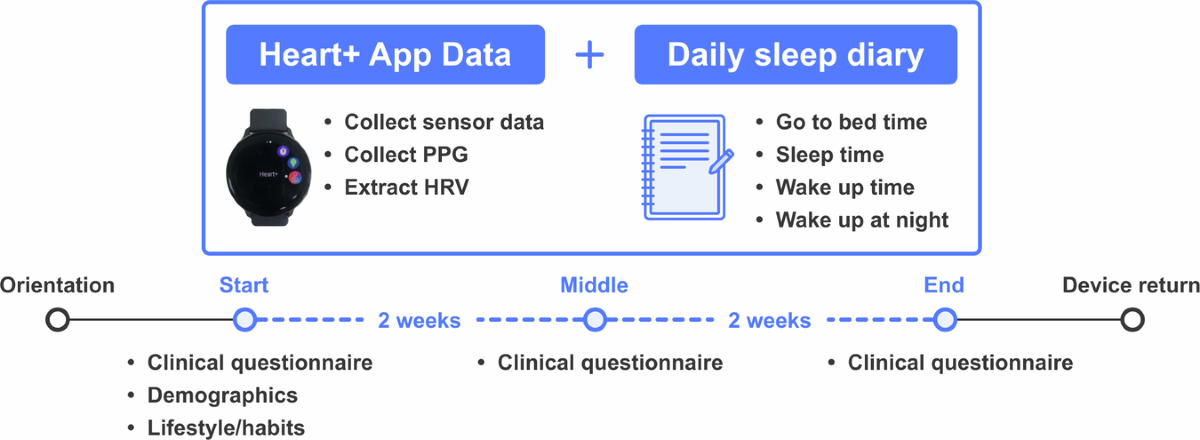
Technology makes tracking sleep and daily habits easier than ever. Apps and devices collect valuable data automatically. This helps you see patterns and make smart changes. Using these tools helps improve sleep quality and daily routines.
Integrating Sleep And Habit Trackers
Many apps sync sleep data with habit trackers. This creates one clear view of your health. You can see how habits affect your sleep. For example, caffeine intake or exercise times show in one place. This integration helps find habits that improve or harm sleep.
Using Ai For Personalized Insights
Artificial intelligence analyzes your combined data. It spots trends and offers simple advice. AI can suggest the best bedtime or ideal exercise times. This personalized insight fits your unique lifestyle. It guides small changes that lead to better sleep and health.
Setting Reminders And Goals
Apps let you set reminders for habits and bedtime. These nudge you to stay on track every day. You can set goals like sleeping eight hours or avoiding screens before bed. Timely alerts keep you focused and consistent. This makes building good habits easier and more natural.

Frequently Asked Questions
What Daily Habits Affect Sleep Quality The Most?
Daily habits like caffeine intake, screen time, and exercise impact sleep quality. Managing these habits helps improve sleep patterns and overall restfulness.
How Can Sleep Data Improve Daily Routine Decisions?
Sleep data reveals patterns like sleep duration and disturbances. Using this data helps adjust habits, such as bedtime or diet, for better daily energy and productivity.
What Tools Track Sleep Data And Daily Habits Together?
Wearables like Fitbit and Apple Watch track sleep and daily activities. Apps like Sleep Cycle combine sleep data with habit tracking for personalized insights.
Why Combine Sleep Data With Daily Habits Analysis?
Combining sleep data with habits uncovers hidden factors affecting rest. This holistic view helps create effective strategies to enhance sleep and health simultaneously.
Conclusion
Combining sleep data with daily habits helps improve your rest. Track your sleep regularly to see patterns clearly. Note activities, meals, and screen time each day. Small changes can lead to better sleep quality. Pay attention to what affects your sleep most.
Consistency matters—keep habits steady for best results. Use the data to adjust your routine smartly. Better sleep supports mood, focus, and health. Start simple, stay patient, and watch progress grow. Good sleep and healthy habits go hand in hand.