
As an Amazon Associate I earn from qualifying purchases.
Have you ever wondered how well you really sleep each night? A sleep score is a simple number that tells you just that—how good or bad your sleep was.
Understanding your sleep score can unlock secrets about your rest, energy, and overall health. If you want to wake up feeling refreshed and full of energy, knowing your sleep score is a game-changer. Keep reading to discover what a sleep score is, why it matters to you, and how you can use it to improve your nights and your days.
Quick Navigation
Sleep Score Basics
Understanding your sleep score helps improve your rest. It gives a clear number that shows how well you slept. This number comes from different parts of your sleep. Tracking your sleep score regularly helps spot patterns. It shows what affects your sleep quality.
Let’s explore what a sleep score means and how it is made. Knowing these basics makes sleep data easier to understand.
What Sleep Score Measures
A sleep score measures the quality of your sleep. It looks at how long you sleep and how deep it is. It checks if you wake up during the night. It also sees how fast you fall asleep. The score sums up all these details into one number.
Common Sleep Metrics Used
Sleep scores use several key metrics. Total sleep time shows how many hours you slept. Sleep stages track light, deep, and REM sleep. Sleep latency measures how long it takes to fall asleep. Wake after sleep onset counts the time awake during the night. Heart rate and breathing may also be included.
How Scores Are Calculated
Scores come from combining sleep metrics using algorithms. Each metric gets a weight based on its importance. The system adds these weighted scores to get a final number. This number often ranges from 0 to 100. Higher scores mean better sleep quality.
Tools To Track Sleep
Tracking sleep has become easier thanks to new tools. These tools help measure sleep quality and give a sleep score. The sleep score shows how well you sleep each night. Many people want to improve their sleep using these tools. Different options fit different needs and budgets. Here are some common tools to track sleep.
Wearables And Smart Devices
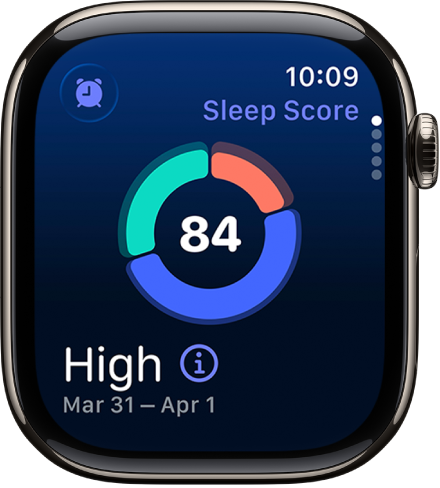
Wearables track sleep by monitoring body movements and heart rate. Devices like smartwatches and fitness bands collect data during sleep. They provide a sleep score based on your sleep cycles. Wearables are comfortable and easy to use every night. They also track daily activities, linking them to sleep quality.
Mobile Apps For Sleep Monitoring
Sleep apps use your phone’s sensors to monitor sleep patterns. These apps record sounds and movements to analyze sleep quality. Some apps offer tips to improve your sleep score. They are affordable and easy to download. No extra devices are needed, just your smartphone.
Home Sleep Testing Kits
Home sleep testing kits check for sleep disorders like sleep apnea. These kits include sensors that you use at home overnight. They provide detailed reports about your breathing and sleep stages. Doctors often recommend them for people with sleep problems. Results help in understanding sleep health better.
Why Sleep Scores Matter
Sleep scores offer a clear number to show how well you sleep each night. They help you understand your sleep quality in an easy way. Knowing your sleep score matters because good sleep affects many parts of your life.
Impact On Health And Wellness
Your sleep score reflects how rest helps your body and mind. Poor sleep can cause tiredness, mood swings, and weak immunity. A good score usually means your body is healing and recharging well. Tracking sleep scores can guide you to better health choices.
Identifying Sleep Patterns
Sleep scores help spot habits in your sleep over days or weeks. You can see if you sleep more on weekends or wake often at night. Understanding these patterns shows what helps or harms your rest. This insight lets you adjust your routine for better sleep.
Motivating Better Sleep Habits
Seeing your sleep score encourages you to improve your rest. A low score can push you to avoid screens or caffeine before bed. A higher score feels like a reward for healthy sleep choices. This motivation helps build steady habits that improve sleep over time.
Improving Your Sleep Score
Improving your sleep score means making small changes that lead to better rest. A higher sleep score shows you sleep more deeply and wake up refreshed. Focus on simple actions to help your body relax and enjoy quality sleep.
Optimizing Sleep Environment
Keep your bedroom cool, quiet, and dark. Use blackout curtains or an eye mask to block light. Remove noise with earplugs or a white noise machine. Choose a comfortable mattress and pillows. Clear clutter to make the room calm and peaceful.
Establishing Consistent Routines
Go to bed and wake up at the same time daily. Your body likes regular patterns. Create a bedtime routine like reading or gentle stretching. Avoid screens at least 30 minutes before bed. These habits signal your brain to prepare for sleep.
Managing Stress And Lifestyle Factors
Stress makes sleep harder. Try relaxation methods like deep breathing or meditation. Limit caffeine and heavy meals near bedtime. Exercise regularly but not right before bed. Balance work and rest for a healthier sleep cycle.
Common Sleep Score Challenges
Sleep scores offer a simple way to measure sleep quality. Many devices and apps provide these scores daily. Still, users face common challenges in understanding and trusting these numbers. Knowing these challenges helps use sleep scores wisely. Here are some key issues to consider.
Accuracy And Limitations
Sleep scores depend on sensors and algorithms. These tools can miss some details or make errors. Devices may confuse restlessness with wakefulness. Some do not track all sleep stages correctly. Scores give a general idea, not a perfect report. Users should expect some variation and occasional inaccuracies.
Interpreting Fluctuations
Sleep scores often change from night to night. Small drops or rises do not always mean a problem. Many factors affect sleep, like stress or room temperature. Scores reflect these changes but do not explain causes. Understanding this helps avoid unnecessary worry over normal shifts.
Avoiding Over-reliance On Scores
Sleep scores are helpful but not the full story. They cannot replace how you feel during the day. Energy level, mood, and focus matter too. Trust your body’s signals alongside the score. Use scores as a guide, not a strict rule.

Future Of Sleep Scoring
The future of sleep scoring holds exciting possibilities. Sleep scores will become more accurate and useful. These scores will help people understand their sleep better. Technology and health science are working together to improve sleep tracking.
Advances In Sleep Technology
New devices will track sleep with greater detail. Sensors will measure brain waves, heart rate, and breathing. Wearables will become smaller and more comfortable. These improvements will provide clearer pictures of sleep quality. Data will be collected without disturbing sleep.
Personalized Sleep Insights
Sleep scores will adapt to individual differences. They will consider age, lifestyle, and health conditions. People will receive tailored advice to improve their sleep. Insights will help identify specific problems like stress or apnea. This personal approach makes sleep guidance more effective.
Integration With Health Platforms
Sleep data will connect with other health information. Apps and devices will share information seamlessly. Doctors will use sleep scores alongside other health metrics. This integration allows better understanding of overall health. It will support early detection of health issues linked to poor sleep.
Frequently Asked Questions
What Does A Sleep Score Measure Exactly?
A sleep score measures the quality and duration of your sleep. It considers factors like deep sleep, restlessness, and total sleep time to give an overall rating of how well you slept.
How Is A Sleep Score Calculated?
Sleep scores are calculated using data from sleep trackers or apps. They analyze heart rate, movement, and sleep stages to provide an accurate score reflecting your sleep quality.
Why Is Knowing Your Sleep Score Important?
Knowing your sleep score helps identify sleep patterns and issues. It guides you to improve sleep habits, leading to better health, mood, and daily performance.
Can Sleep Scores Predict Health Problems?
Sleep scores can indicate potential health risks like sleep apnea or insomnia. Consistently low scores suggest you should consult a healthcare professional for evaluation.
Conclusion
A sleep score helps you understand your sleep quality each night. It shows how well you rest and if you need changes. Tracking your score guides better sleep habits for health. Small improvements can lead to feeling more refreshed daily.
Pay attention to your sleep score to improve rest. Better sleep means better mood, focus, and energy. Use this simple tool to support a healthier lifestyle. Sleep well. Live well.