
As an Amazon Associate I earn from qualifying purchases.
Are you constantly checking your sleep tracker, worried about every restless minute or missed REM cycle? It’s easy to get caught up in the numbers and graphs, thinking they hold the key to your health.
But what if obsessing over your sleep data is actually making things worse? Understanding when to step back can help you sleep better and feel more rested. Keep reading to discover why less focus on sleep stats might be the best move for your well-being.
Quick Navigation
Signs Of Sleep Data Overload
Tracking sleep data can help improve rest. Yet, too much focus on numbers may cause stress. Knowing the signs of sleep data overload is key. It helps you balance tracking and natural sleep habits.
Constant Monitoring And Anxiety
Checking sleep data all night creates worry. Anxiety builds when numbers do not meet goals. This stress can make falling asleep harder. Instead of helping, constant monitoring may harm sleep.
Impact On Sleep Quality
Obsessing over data can reduce sleep quality. Thinking too much about results disrupts relaxation. Sleep becomes restless or shorter. Good sleep needs calm, not pressure from numbers.
Ignoring Body’s Natural Signals
Relying only on data hides your body’s signs. You may miss feeling tired or rested. Your body knows when to sleep and wake. Trusting data too much disconnects you from these cues.

Limitations Of Sleep Trackers
Sleep trackers help many people learn about their sleep habits. They show data like sleep duration and quality. Yet, these devices come with limits. Understanding these limits stops unnecessary worry about numbers. It helps focus on actual sleep health instead of data alone.
Accuracy Concerns
Sleep trackers often use movement and heart rate to guess sleep stages. These guesses can be wrong. Devices might miss when you are awake but lying still. They may also confuse light sleep with deep sleep. This means the data is not always exact. Trusting every number can cause confusion and stress.
Misinterpretation Of Data
Sleep data can be hard to understand. Seeing low sleep scores might cause panic. Small changes in numbers do not always mean poor sleep health. People may try to fix problems that do not exist. Reading data without context leads to wrong conclusions. Sleep is more than just numbers on a screen.
Variability In Sleep Patterns
Sleep changes naturally from day to day. Stress, diet, and activity affect sleep quality. One night of poor sleep does not show a trend. Sleep trackers may highlight these normal changes too much. This can cause unnecessary worry over minor shifts. Long-term patterns matter more than daily variations.
When Sleep Data Becomes Counterproductive
Sleep data helps us learn about our rest. It shows patterns and habits. But too much focus on numbers can harm more than help. Tracking sleep should improve life, not cause worry. Knowing when to stop is key for better rest and peace of mind.
Increased Stress Levels
Constantly checking sleep data can raise stress. Stress makes falling asleep harder. Watching numbers each night builds pressure. This tension can lead to restless nights. Sleep should feel natural, not a task.
Sleep Performance Pressure
Tracking sleep may create a need for perfect results. This pressure can cause frustration. Missing goals feels like failure. Obsessing over scores takes the joy out of rest. Sleep is about feeling refreshed, not scores.
Avoiding Necessary Sleep Adjustments
Focusing only on data can block needed changes. Numbers do not show all factors affecting sleep. Ignoring lifestyle habits limits improvement. Sometimes, simple habits fix sleep better than data. Balance tracking with real-life changes for best results.
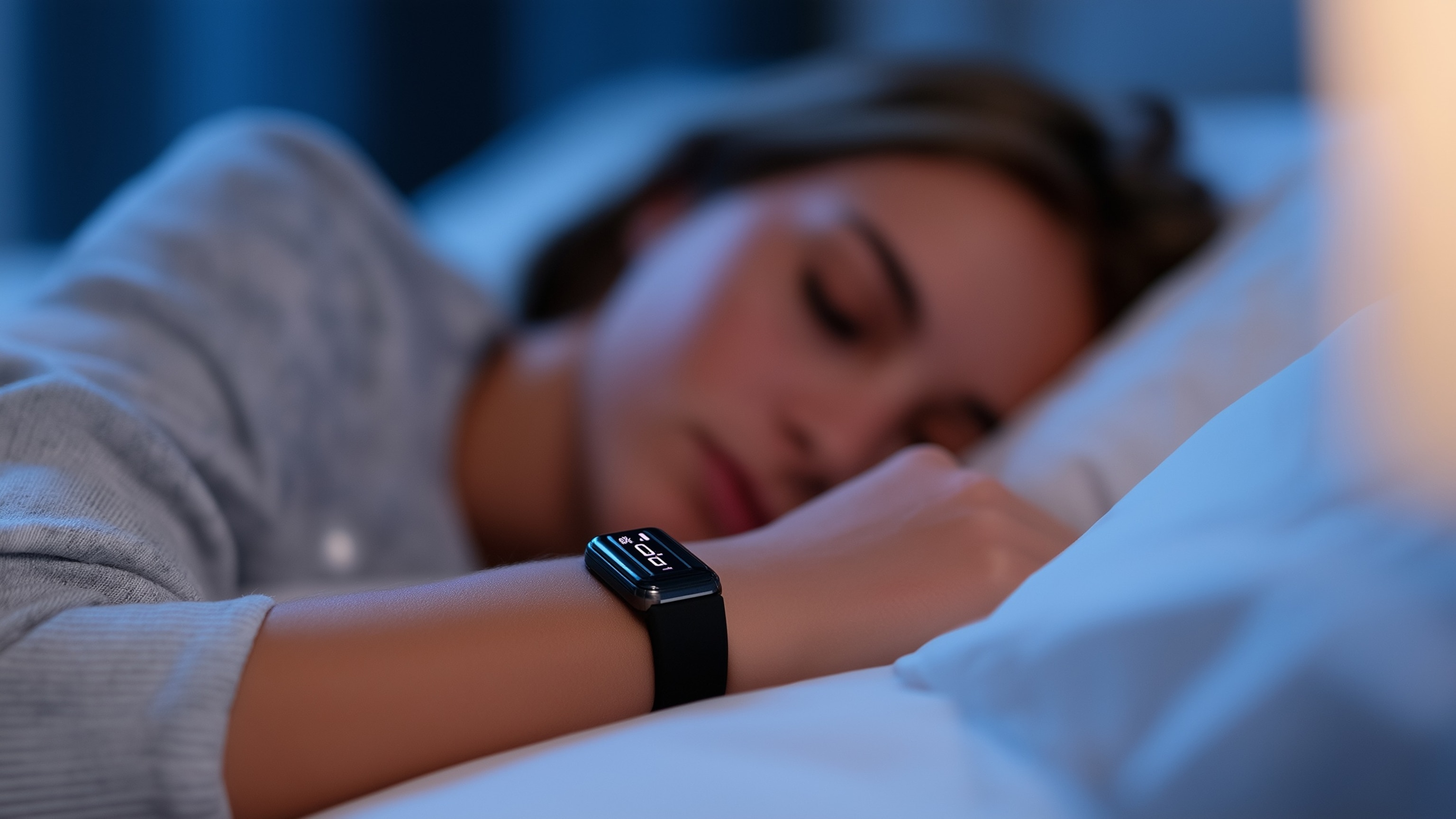
Strategies To Reduce Sleep Data Dependency
Relying too much on sleep data can cause stress and confusion. It can make you doubt your natural sleep patterns. Using some strategies can help reduce this dependency. These methods help you focus on real rest, not just numbers.
Setting Boundaries For Tracker Use
Limit the times you check your sleep tracker. Avoid looking at data first thing in the morning. Set a specific time to review your sleep information each day. This prevents constant worry about sleep quality. Use the tracker as a guide, not a rule.
Focusing On Sleep Hygiene
Create a bedtime routine that promotes good sleep. Keep your bedroom dark and quiet. Avoid screens and bright lights before sleep. Stick to a regular sleep schedule. These habits improve sleep without needing data to confirm.
Listening To Your Body’s Needs
Pay attention to how you feel during the day. Notice your energy levels and mood. Adjust your sleep time based on your body’s signals. Trust your feelings over the tracker numbers. Your body knows what it needs better than any device.
Alternatives To Data-driven Sleep Improvement
Tracking sleep data can help some people, but it is not the only way to improve sleep. Sometimes, focusing too much on numbers causes stress. Stress can make sleep worse. There are other ways to sleep better without relying on data. These methods focus on how you feel and what you do, not just on numbers.
Mindfulness And Relaxation Techniques
Mindfulness helps calm your mind before bed. Simple breathing exercises reduce tension and quiet racing thoughts. Meditation can train your brain to relax. These practices lower stress and prepare your body for rest. Try sitting quietly for a few minutes each night. Let go of worries and focus on your breath.
Consistent Sleep Schedule
Going to bed and waking up at the same time helps your body clock. A regular schedule improves sleep quality naturally. Your body learns when to feel sleepy and when to be awake. Avoid big changes in sleep times on weekends. Consistency helps you fall asleep faster and wake up refreshed.
Creating A Restful Environment
Your bedroom should feel calm and inviting. Keep it dark, cool, and quiet. Remove bright screens and noisy devices. Choose comfortable bedding and pillows. A peaceful space makes it easier to relax and sleep well. Make your room a place for rest, not work or stress.

Frequently Asked Questions
When Is It Unhealthy To Track Sleep Data?
Obsessing over sleep data becomes unhealthy when it causes anxiety or disrupts your natural sleep patterns. Constant monitoring can lead to stress, making it harder to fall asleep. Focus on overall rest quality instead of fixating on every data point for better sleep health.
How Accurate Is Consumer Sleep Tracking Technology?
Consumer sleep trackers provide estimates but aren’t 100% accurate. They use movement and heart rate to guess sleep stages but can misinterpret data. Use them as general guides, not definitive health tools. Consult professionals for serious sleep concerns.
What Signs Show It’s Time To Stop Tracking Sleep?
If sleep tracking causes stress, anxiety, or obsession, it’s time to stop. Also, if data misleads you or disrupts your routine, pause tracking. Prioritize how you feel over numbers to improve your sleep naturally.
Can Focusing Less On Sleep Data Improve Sleep Quality?
Yes, reducing focus on sleep data can lower anxiety and improve sleep. Worrying about numbers can cause insomnia or restlessness. Trust your body’s cues and maintain healthy sleep habits for better rest.
Conclusion
Tracking sleep can help you learn healthy habits. But obsessing over every number can cause stress. Sleep is about how you feel, not just data. Trust your body’s signals and rest well. Balance matters more than perfect scores. Give yourself grace and focus on good routines.
Sleep better by living simply and calmly.