
As an Amazon Associate I earn from qualifying purchases.
Have you ever noticed how your energy dips when you stay up late one night and wake up at different times the next day? That’s not a coincidence.
Your body thrives on routine, especially when it comes to sleep. Sticking to a consistent sleep schedule can transform how you feel, think, and perform every single day. If you want to boost your mood, sharpen your focus, and wake up feeling truly refreshed, understanding why consistent sleep schedules matter is the first step.
Keep reading to discover how a simple change can make a big difference in your life.
Quick Navigation
Benefits Of A Regular Sleep Schedule
Keeping a regular sleep schedule helps your body and mind work better. It sets a rhythm that your body can follow every day. This rhythm makes many parts of your health improve naturally. A steady sleep time brings many benefits that affect daily life.
Improved Physical Health
Regular sleep helps muscles and tissues repair faster. It lowers the risk of heart problems and high blood pressure. A consistent schedule supports healthy weight by balancing hunger hormones. Your body feels stronger and more energized for daily tasks.
Enhanced Mental Clarity
Good sleep boosts focus and memory. It helps the brain process information clearly. You make better decisions and solve problems faster. A steady routine reduces feelings of stress and confusion. Your mind stays sharp throughout the day.
Boosted Immune Function
Sleep is key to a strong immune system. Regular sleep helps your body fight off infections. It supports the production of immune cells that protect you. A consistent schedule reduces the chance of getting sick often. Your body recovers quickly from illnesses.
How Sleep Affects Energy Levels
Sleep controls how much energy you have each day. Without enough rest, your body and brain work less well. Quality sleep helps you stay active and focused. It also improves mood and productivity. Understanding how sleep affects energy helps in keeping a consistent sleep schedule.
Sleep And Daytime Alertness
Good sleep boosts your alertness during the day. It keeps your mind sharp and quick. When well-rested, you can concentrate better and solve problems easier. Lack of sleep makes you feel slow and tired. Your reaction time also slows down, which can be dangerous in tasks like driving.
Consequences Of Sleep Deprivation
Not getting enough sleep causes many problems. You may feel sleepy all day and find it hard to stay awake. Memory and decision-making skills weaken. Mood swings and irritability are common. Long-term sleep loss increases risks of health problems like heart disease and diabetes.
Role Of Sleep Cycles
Sleep happens in cycles that repeat every night. Each cycle has stages, including deep sleep and REM sleep. Deep sleep restores energy and repairs the body. REM sleep supports brain function and memory. Disrupting these cycles lowers sleep quality and reduces energy levels.
Impact On Mental Health
Keeping a steady sleep schedule has a big effect on mental health. Our brain works best when it follows a regular rhythm. Changing sleep times often can confuse the brain. This makes it harder to manage emotions and stress.
Good mental health helps you feel calm and think clearly. A consistent sleep routine supports this balance. It helps your mind stay strong and more resistant to problems.
Mood Regulation
Regular sleep helps control your mood. It lowers feelings of anger and sadness. People with steady sleep wake up feeling more refreshed. This makes dealing with daily challenges easier.
Stress Reduction
Sleep affects stress levels greatly. Missing sleep raises stress hormones in the body. A consistent schedule keeps these hormones balanced. This means you feel less tense and worried.
Lower Risk Of Depression
Studies show regular sleep cuts the risk of depression. Irregular sleep can lead to long-term sadness. Keeping a fixed sleep time helps keep your spirits up. It supports a healthy, positive mind.
Tips For Maintaining Consistent Sleep Patterns
Maintaining a consistent sleep pattern helps improve your overall rest quality. Good habits around bedtime set the stage for better sleep every night. Simple changes can make a big difference.
Setting A Fixed Bedtime
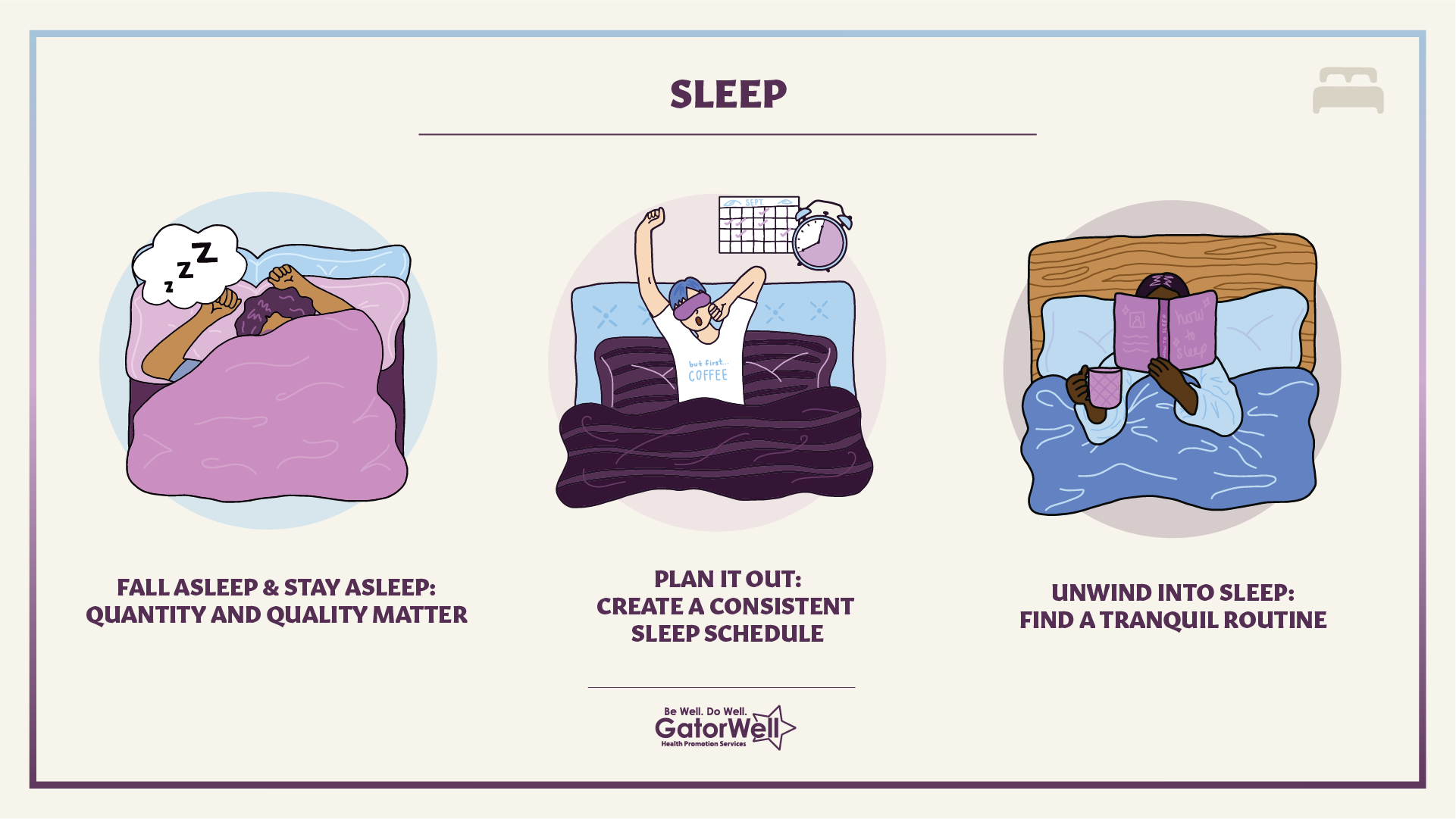
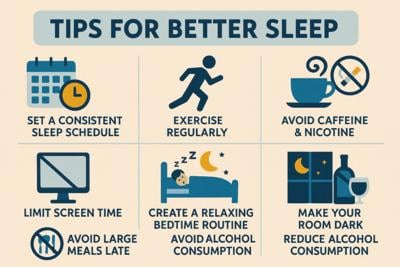
Choose one bedtime and stick to it daily. Going to bed at the same time trains your body clock. It helps you fall asleep faster and wake up refreshed. Avoid changing your bedtime on weekends to keep your rhythm steady.
Creating A Relaxing Routine
Develop a calming routine before sleep. Activities like reading or gentle stretching signal your brain to relax. Keep this routine short, about 20 to 30 minutes. Avoid exciting or stressful tasks that can raise alertness.
Limiting Screen Time Before Bed
Avoid phones, tablets, and TVs at least one hour before sleep. Screens emit blue light that tricks your brain into staying awake. Instead, try dim lighting and quiet activities. This helps your body prepare for rest naturally.
Common Obstacles And Solutions
Keeping a steady sleep schedule can be tough. Many people face common problems that stop them from sleeping well at the same time every night. Finding ways to fix these issues helps improve sleep and overall health.
Shift Work Challenges
Shift work can disrupt the body’s natural clock. Working nights or changing shifts often leads to irregular sleep times. Try to keep sleep hours as regular as possible, even on days off. Use blackout curtains and white noise to make daytime sleep better. Avoid caffeine close to bedtime to fall asleep faster.
Dealing With Insomnia
Insomnia makes it hard to fall or stay asleep. Stress and anxiety often cause this problem. Create a relaxing bedtime routine to calm the mind. Avoid screens at least one hour before bed. If sleep does not come, get out of bed and try a quiet activity until tired.
Managing Social Commitments
Social events can push bedtime later than planned. Plan your week to balance fun and rest. Say no politely when sleep is more important. Try to keep consistent wake-up times, even after late nights. This helps keep your body’s clock steady and strong.

Frequently Asked Questions
What Are The Benefits Of A Consistent Sleep Schedule?
A consistent sleep schedule improves sleep quality and boosts overall health. It regulates your body’s internal clock. This leads to better mood, increased energy, and enhanced cognitive function. Following a regular bedtime helps reduce stress and supports immune system strength.
How Does Irregular Sleep Affect Mental Health?
Irregular sleep disrupts brain function and increases anxiety risk. It impairs memory, concentration, and emotional stability. Poor sleep patterns contribute to mood disorders like depression. Maintaining consistent sleep helps balance neurotransmitters and improves mental well-being.
Can Consistent Sleep Schedules Improve Physical Health?
Yes, consistent sleep schedules promote heart health and metabolic balance. They reduce risks of obesity, diabetes, and hypertension. Regular sleep supports muscle recovery and immune defense. Overall, it aids in maintaining a healthy body weight and energy levels.
How Long Does It Take To Adjust To A New Sleep Schedule?
Adjusting typically takes about one to two weeks. Your body needs time to reset its internal clock. Consistency in bedtime and wake time speeds this process. Avoid naps and screen time before bed for faster adjustment.
Conclusion
Consistent sleep schedules help your body stay healthy and strong. Your mind works better with regular rest. Good sleep habits improve mood and focus every day. Avoid changing your bedtime often. Small steps lead to better sleep and energy. Try to go to bed and wake up at the same time.
Sleep is key to feeling good and living well. Keep it steady, feel the difference.