
As an Amazon Associate I earn from qualifying purchases.
Have you ever wondered why your sleep data from your wearable device doesn’t always match how rested you feel? The secret might be in how your wearable fits on your wrist.
A loose or tight fit can change the accuracy of the information you get, making it harder to understand your true sleep patterns. If you want reliable insights and better rest, knowing why wearable fit affects sleep data is key.
Keep reading to discover simple tips that can help you get the most accurate sleep tracking every night.

Quick Navigation
Wearable Fit And Sleep Tracking
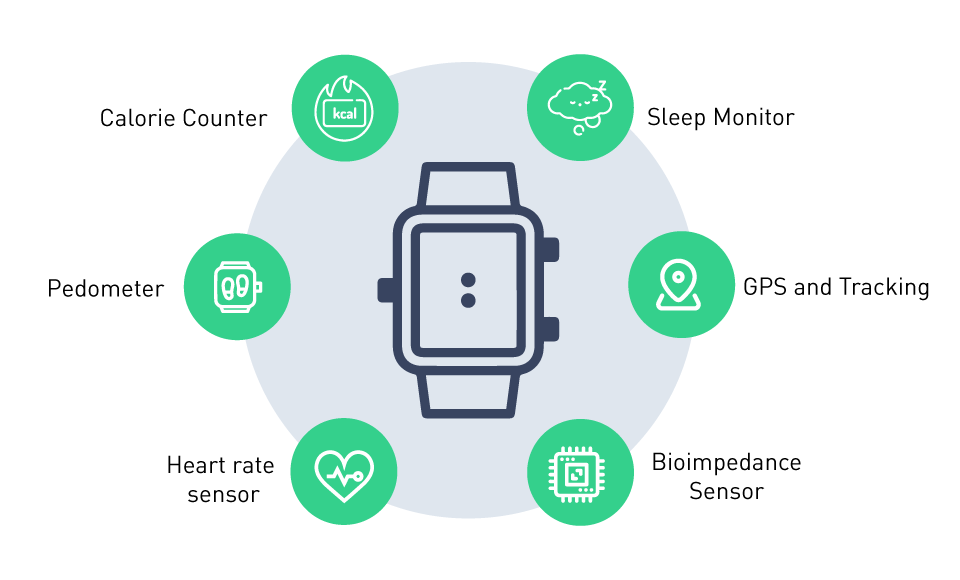
Wearable devices have become popular tools for tracking sleep patterns. The fit of these devices plays a key role in capturing accurate sleep data. A proper fit ensures sensors contact the skin consistently. This contact is vital for detecting heart rate, movement, and other sleep indicators.
Poor fit can cause the device to move or slip during sleep. This movement leads to gaps or errors in data collection. Understanding how wearable fit affects sleep tracking helps users get better insights from their devices.
Impact On Sensor Accuracy
Sensors need firm skin contact to collect precise data. A loose fit causes sensors to lose contact often. This results in missing or incorrect readings. Tight fit keeps sensors stable and improves data quality. Accurate heart rate and motion detection depend on this contact.
Role Of Comfort In Data Reliability
Comfort affects how long users wear devices during sleep. An uncomfortable fit may cause users to remove the device. This interrupts data collection and reduces reliability. Comfortable wearables encourage consistent use and better sleep tracking. Soft materials and adjustable bands improve comfort and data accuracy.
Common Fit Issues
Wearable fit plays a big role in how well sleep data is recorded. Poor fit can cause errors and discomfort. Users often face common fit issues that affect data accuracy and overall experience. Understanding these issues helps improve your sleep tracking.
Loose Wearables And Data Gaps
Wearables that fit too loosely may slip during sleep. Movement causes sensors to lose contact with the skin. This leads to gaps in data collection. The device might miss key signals like heart rate or movement. Data gaps can lower the quality of your sleep report. A secure but comfortable fit keeps sensors working properly all night.
Tight Wearables And Skin Irritation
Wearing a device too tight can cause skin irritation. Constant pressure blocks blood flow and causes discomfort. This may wake you up or disturb your sleep. Skin irritation can also cause redness or rash. Tight wearables may give more stable data but at a cost. Finding a balance between snugness and comfort is essential for both data and skin health.
Types Of Sleep Data Affected
Wearable devices track different types of sleep data to help understand your rest. The fit of the device on your wrist plays a big role in data accuracy. Poor fit can cause wrong readings and affect your sleep analysis. Here are the main types of sleep data affected by wearable fit.
Heart Rate Monitoring
Heart rate sensors detect your pulse during sleep. A loose fit can cause the sensor to move and miss beats. Tight but comfortable wear helps the sensor stay close to your skin. This ensures steady heart rate readings throughout the night.
Movement And Sleep Stages
Wearables track your movements to estimate sleep stages like light, deep, and REM sleep. If the device slips or shifts, it may record wrong motion data. A stable fit keeps the device steady, providing clearer movement patterns. This helps identify accurate sleep stages.
Oxygen Saturation Levels
Some wearables measure blood oxygen levels during sleep. Proper sensor contact with the skin is essential for reliable readings. A loose fit lets light interfere, causing incorrect oxygen data. A snug fit allows sensors to work properly and track oxygen saturation well.
Optimizing Wearable Fit
Optimizing the fit of your wearable device improves the accuracy of sleep data. A well-fitted device tracks heart rate, movement, and sleep stages better. Poor fit causes loose contact or pressure, leading to false readings. Adjusting the fit ensures reliable data and better sleep insights.
Choosing The Right Size
Select a wearable that matches your wrist size closely. Devices come in different sizes to fit small, medium, and large wrists. A too-large device moves during sleep and loses contact. A too-small device feels tight and uncomfortable. Choose a size that fits snugly without squeezing.
Adjusting Straps And Bands
Straps and bands should be adjusted for a secure fit. Tighten the band enough to hold the device still. Avoid bands that are too tight, which can cause discomfort or skin marks. Check the fit before sleeping to keep the device in place all night. Replace worn-out bands to maintain proper fit.
Material And Design Considerations
Material affects comfort and fit during sleep. Soft, breathable bands reduce irritation and sweat buildup. Lightweight designs prevent discomfort that can wake you up. Smooth edges and flexible bands improve wearing comfort. Choose materials that suit your skin type and sleeping habits.
User Tips For Better Sleep Data
Accurate sleep data depends on how well you wear your device. Small changes in fit can change the results. Follow these simple tips to get better sleep tracking and clearer insights.
Consistent Wear Habits
Wear your device the same way every night. Tighten the band just enough to stay in place. Too loose or too tight can cause wrong readings. Try to wear it on the same wrist each night. Consistency helps the device learn your patterns better.
Regular Device Calibration
Check your device settings often. Some trackers need calibration for heart rate or motion sensors. Follow the instructions to reset or update the device. Calibration keeps the data accurate and reliable. Do this regularly for best results.
Avoiding External Interferences
Keep your device away from strong magnets or electronics. Nearby phones or speakers can affect sensors. Remove your tracker during charging or strong physical activity. Avoid extreme temperatures that might disrupt the device. These steps reduce false data and improve sleep tracking quality.
Future Trends In Wearable Sleep Tech
Wearable sleep technology continues to improve quickly. The next steps focus on comfort and accuracy. Better fit means better data. Innovations aim to make devices feel less like gadgets and more like helpful tools. Users will enjoy sleep tracking that is more precise and less intrusive. Here are some key trends shaping the future of wearable sleep tech.
Adaptive Fit Technologies
Wearables will use smart materials that change shape. These materials adjust to the user’s wrist or head during sleep. The device fits snugly without causing discomfort. This adaptive fit reduces movement and skin irritation. It also helps sensors stay in contact with the skin. This means the device collects more reliable data all night long.
Advanced Sensor Integration
New sensors will track more than just heart rate or movement. They will measure temperature, humidity, and even oxygen levels. These sensors work together to give a full picture of sleep quality. Tiny sensors will be embedded deeper into soft bands or fabrics. This integration keeps the device light and less noticeable. Users can expect richer data with minimal effort.

Frequently Asked Questions
How Does Wearable Fit Impact Sleep Tracking Accuracy?
A proper wearable fit ensures sensors maintain skin contact, improving data accuracy. Loose or tight fits can cause errors in heart rate and movement detection, leading to unreliable sleep data.
Why Is Sensor Contact Important For Sleep Data?
Sensor contact is vital as it allows devices to measure physiological signals accurately. Poor contact results in signal loss or noise, degrading the quality of sleep monitoring.
Can A Tight Wearable Affect My Sleep Quality?
Yes, a tight wearable can cause discomfort or restrict blood flow. This discomfort may disrupt sleep patterns and negatively influence the sleep data collected.
How To Ensure My Wearable Fits Correctly For Sleep?
Wear your device snugly but comfortably above the wrist bone. Adjust the strap to prevent slipping without causing pressure, ensuring consistent sensor contact throughout the night.
Conclusion
Wearing your fitness tracker the right way matters a lot. A loose or tight fit can change your sleep results. Accurate data helps you understand your sleep better. It also guides you to improve your rest. Choose comfort and proper placement for the best readings.
Small changes in fit bring clearer sleep insights. Trust the data only when the fit feels right. Good sleep tracking starts with how you wear your device.