
Are you using a sleep tracker to improve your rest but find yourself feeling more worried at night? You’re not alone.
While sleep tracking promises better sleep, it can sometimes do the opposite, increasing your anxiety instead. What if the very tool meant to help you relax is actually making you overthink every minute of your sleep? You’ll discover how sleep tracking might be raising your sleep anxiety—and what you can do to take back control of your nights.
Keep reading to unlock the surprising truth behind those sleep numbers.

Quick Navigation
Sleep Tracking Devices
Sleep tracking devices have become popular tools to understand sleep patterns. People use these gadgets to see how well they sleep each night. They promise insights that can improve rest. Yet, these devices can sometimes cause worry about sleep quality. Watching every detail might increase anxiety instead of easing it.
Types Of Sleep Trackers
There are many kinds of sleep trackers. Wristbands and smartwatches are common. They fit on your wrist and track movement and heart rate. Other trackers go under the mattress or attach to pillows. Smartphone apps use sounds or movement to guess your sleep stages. Each type offers different ways to collect sleep data.
How They Monitor Sleep
Trackers use sensors to watch body signals. They measure heart rate, breathing, and body movement. Less movement usually means deeper sleep. Some devices use light to track brain waves. Apps record sounds like snoring or coughing. These signals help estimate when you fall asleep and wake up.
Accuracy And Limitations
Sleep trackers give an estimate, not exact data. They can mistake restlessness for being awake. Movements from sharing a bed can confuse sensors. Many devices cannot measure deep sleep perfectly. Tracking results may vary from night to night. Over-relying on these numbers can cause stress about sleep quality.
Sleep Anxiety Explained
Sleep anxiety is a common issue affecting many people who struggle to rest well. It happens when worries about sleep start to take over the mind. This fear of not sleeping can make it even harder to fall asleep or stay asleep. Sleep anxiety creates a cycle that worsens sleep quality and increases stress at bedtime.
People with sleep anxiety often feel trapped in their own thoughts. They may watch the clock, fear waking up tired, or obsess over their sleep patterns. This mental tension keeps the body alert and prevents relaxation. Understanding sleep anxiety is key to managing its effects.
Symptoms And Causes
Symptoms of sleep anxiety include trouble falling asleep and waking up too early. People might feel restless or tense at night. Racing thoughts about sleep and fatigue during the day are common signs.
Causes often involve stress, past bad sleep experiences, or pressure to get enough rest. Using sleep tracking devices can add to this anxiety. Constant checking of sleep data may increase worry about sleep quality.
Impact On Sleep Quality
Sleep anxiety reduces the chance of deep, restful sleep. It triggers the body’s stress response, raising heart rate and brain activity. This makes falling asleep slow and staying asleep difficult.
Over time, poor sleep harms health, mood, and focus. Anxiety about sleep can create a cycle of fear and poor rest. Breaking this cycle is important for better sleep and well-being.
Link Between Sleep Tracking And Anxiety
Tracking sleep sounds helpful. It promises better rest and health. But for some, it can cause worry instead. Sleep tracking can increase anxiety about sleep quality. Understanding the link between tracking and anxiety helps manage this issue.
Obsessive Monitoring Effects
Checking sleep data often can become a habit. This habit may turn into obsession. Constantly watching numbers causes stress. People may feel they never sleep well enough. This stress can make falling asleep harder. Obsessive monitoring disrupts natural sleep rhythms.
Misinterpretation Of Data
Sleep trackers show many details. Not all users understand these details correctly. Misreading data can cause false alarms. Small drops in sleep quality may seem like big problems. This confusion creates unnecessary worry. It also lowers confidence in natural sleep patterns.
Pressure To Achieve ‘perfect’ Sleep
Sleep trackers often suggest ideal sleep goals. Users feel pressure to meet these targets every night. This pressure turns sleep into a task. Sleep loses its relaxed and natural feeling. Trying too hard to get “perfect” sleep adds anxiety. It becomes a cycle of stress and poor sleep.
Psychological Impact Of Sleep Data
Sleep tracking devices give detailed information about your sleep patterns. This data can feel helpful but may also affect your mind in unexpected ways. Understanding how sleep data impacts your thoughts is important. It can explain why some people feel more anxious about sleep after tracking it.
Increased Stress Levels
Constantly checking sleep numbers can cause stress. Worrying about sleep quality adds pressure each night. The stress makes it harder to fall asleep. This creates a cycle of anxiety and poor rest. Instead of relaxing, the mind stays alert. Stress hormones rise, disturbing natural sleep rhythms.
Negative Sleep Associations
Sleep tracking can create bad connections with bedtime. Seeing low scores or poor sleep reports builds fear. You might dread going to bed or waking up. This fear makes the body tense and restless. Over time, sleep becomes linked with worry, not calm. These negative feelings block peaceful, natural sleep.
Managing Sleep Anxiety
Managing sleep anxiety requires a careful approach. Sleep trackers can sometimes increase worry. Constantly checking data may cause stress and restless nights. Finding a balance helps reduce anxiety and improve rest.
Understanding how to use sleep trackers wisely is key. Also, practicing other ways to relax can calm the mind before bed. These steps support better sleep without added pressure.
Setting Healthy Boundaries With Trackers
Limit how often you check your sleep data. Avoid looking at stats right before sleeping. Use the tracker as a guide, not a strict judge. Turn off notifications to reduce distractions. Remember, sleep quality is not just numbers.
Alternative Relaxation Techniques
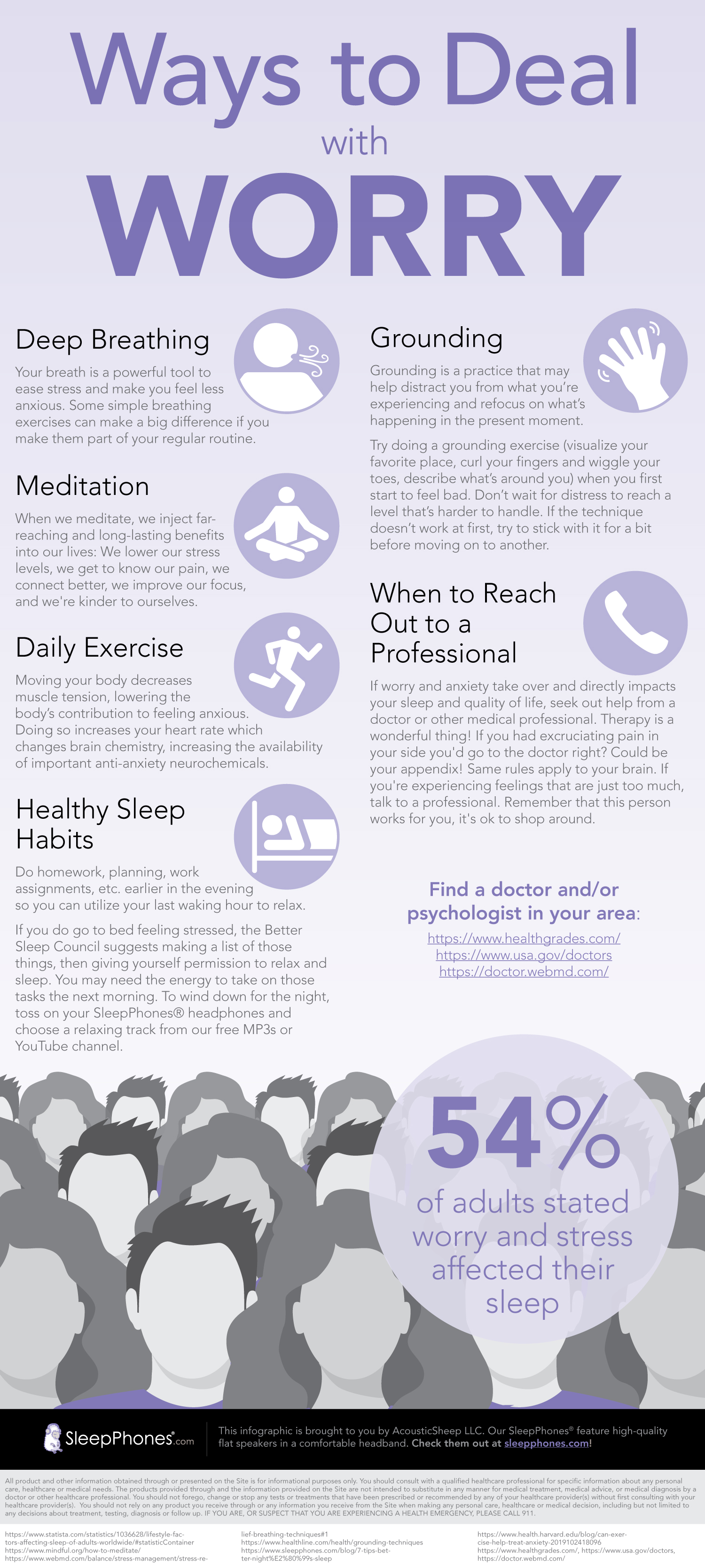
Try deep breathing exercises to calm your mind. Gentle stretches can help relax your body. Listening to soft music may ease tension. Reading a book is a good way to shift focus. Avoid screens to prepare your brain for sleep.
When To Seek Professional Help
Sleep tracking can help many people improve rest. Yet, it can also cause stress. Knowing when to ask for professional help is very important. This step can protect your mental and physical health.
Some signs show when anxiety from sleep tracking is too much. Ignoring these signs can make the problem worse. Professionals can guide you to better sleep and less worry.
Recognizing Persistent Anxiety
Feeling worried about sleep every night is a red flag. Constantly checking sleep data can increase stress. This stress may cause trouble falling asleep or staying asleep. Your mood might drop, and tiredness can affect daily life. When sleep worries last more than two weeks, consider help. Nightly fear of poor sleep is not normal. It can hurt your health and happiness.
Therapies And Treatments
Therapists use different methods to reduce sleep anxiety. Cognitive-behavioral therapy (CBT) helps change negative thoughts. This method teaches ways to relax before bed. Some doctors suggest medication for short-term relief. Mindfulness and breathing exercises also improve sleep quality. Professionals tailor treatments to fit each person’s needs. Early help can stop anxiety from growing worse.
Frequently Asked Questions
How Does Sleep Tracking Increase Sleep Anxiety?
Sleep tracking can heighten anxiety by making users overly focused on sleep quality. Constant monitoring may cause stress about meeting sleep goals, leading to a cycle of worry and poor sleep.
Can Sleep Trackers Cause More Harm Than Good?
Yes, for some people, sleep trackers may worsen anxiety. Obsessing over data can disrupt natural sleep patterns and create unnecessary stress.
Why Do Some People Feel Anxious Using Sleep Trackers?
People feel anxious because sleep trackers highlight imperfections. This focus on flaws can cause frustration and worry about sleep performance.
How Can I Reduce Anxiety From Sleep Tracking?
Limit checking your sleep data daily. Use trackers as guides, not strict measures, and focus on healthy sleep habits instead of perfect scores.
Conclusion
Sleep tracking can help some people but also cause worry. Constantly watching sleep data may lead to stress and fear. This stress can make falling asleep even harder. It’s important to balance using trackers with relaxing habits. Trust your body’s natural signals more than numbers.
Sleep well means feeling calm and rested, not just tracking stats. Choose tools wisely and know when to take a break. Sleep should bring peace, not anxiety or pressure.