
As an Amazon Associate I earn from qualifying purchases.
Have you ever felt tired even after a full night’s sleep? Or found yourself obsessively checking your sleep tracker, only to worry about how well you actually slept?
You might be dealing with something called orthosomnia. It’s a sleep issue that’s tricky because it’s tied to your own efforts to get better rest. Understanding orthosomnia could be the key to finally breaking free from restless nights and waking up refreshed.
Keep reading to discover what orthosomnia is, why it happens, and how it might be affecting your sleep without you even realizing it.

Quick Navigation
Orthosomnia Basics
Understanding orthosomnia starts with knowing its basic features. This sleep condition is linked to the use of sleep trackers and monitors. Many people trust these devices to improve their sleep. Yet, orthosomnia can cause stress and poor rest due to the obsession with perfect sleep data.
People with orthosomnia often feel anxious about their sleep quality. This worry can make it harder to fall asleep and stay asleep. The condition creates a cycle of poor sleep and increased stress. Knowing the basics helps recognize and address this issue early.
Definition And Symptoms
Orthosomnia is a sleep disorder caused by excessive focus on sleep data. It happens when people use devices to track sleep patterns. Instead of feeling better, they feel more tired and stressed.
Common symptoms include trouble falling asleep and restless nights. People may wake up often or feel unrefreshed in the morning. Anxiety about sleep results in more sleep problems. This condition is different from insomnia but related to it.
Who Is Affected
Orthosomnia mainly affects those who use sleep trackers regularly. People who check their sleep data every night are at risk. It can happen to anyone, but tech-savvy individuals face higher chances.
Those with anxiety or perfectionist traits are more vulnerable. Also, people new to sleep devices may misinterpret data. This misunderstanding increases worry and poor sleep quality. Awareness can help prevent orthosomnia in these groups.
Causes And Triggers
Orthosomnia is a sleep disorder linked to worries about sleep quality. It happens when people become too focused on their sleep data. This focus can cause anxiety and make sleep worse. Understanding what causes and triggers orthosomnia helps manage it better.
Role Of Sleep Trackers
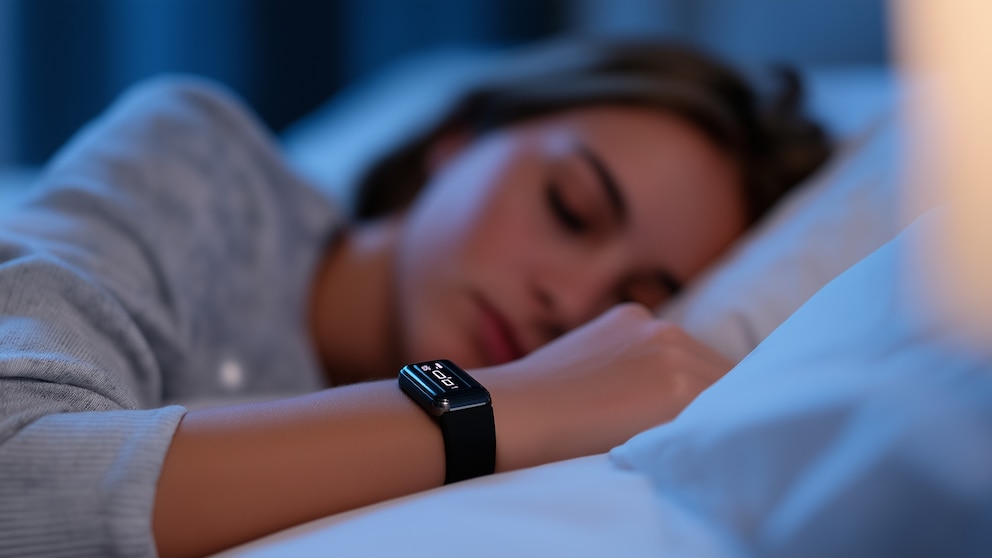
Sleep trackers are devices that measure sleep patterns. They show data like sleep time and restlessness. Some people check these numbers often. This constant checking can create stress. They may feel their sleep is worse than it really is. This stress can stop them from falling asleep easily.
Psychological Factors
Worry and anxiety play a big role in orthosomnia. People might fear not getting enough sleep. This fear can lead to overthinking at bedtime. Stress from work or life adds to the problem. Negative thoughts about sleep can keep the brain active. This makes it harder to relax and sleep well.
Impact On Sleep Quality
Orthosomnia affects how well people sleep. It can make sleep feel worse even if the hours seem enough. This condition causes worry about sleep quality. That worry changes how the brain and body rest.
Sleep problems from orthosomnia often start with constant checking of sleep trackers. This habit creates stress. Stress stops the mind from relaxing. The result is less deep sleep and more awakenings.
Sleep Anxiety Effects
Sleep anxiety grows from fear of poor rest. People with orthosomnia watch their sleep data closely. They fear not meeting sleep goals. This fear makes it hard to fall asleep. It causes restless nights and daytime tiredness.
Worry about sleep leads to tossing and turning. The body stays alert instead of relaxing. Sleep anxiety also causes early waking. This interrupts the natural sleep cycle.
Physical And Mental Health Consequences
Poor sleep harms the body. It weakens the immune system. It raises the risk of heart problems and diabetes. The body does not repair itself well without good sleep.
Mentally, orthosomnia increases stress and mood swings. It can cause depression and anxiety. Lack of rest lowers focus and memory. Overall health and quality of life suffer.
Diagnosis Challenges
Diagnosing orthosomnia is not simple. It shares many signs with other sleep problems. This makes it hard for doctors to tell orthosomnia apart from other conditions. People with orthosomnia worry about their sleep quality. They often check sleep trackers and feel anxious if their data looks bad.
This worry can make sleep worse. Doctors must carefully study symptoms and test results. They need to find out if poor sleep is real or only felt by the person. This is a key challenge in diagnosis.
Distinguishing From Insomnia
Orthosomnia looks like insomnia but is different. Insomnia is trouble falling or staying asleep. Orthosomnia involves stress over sleep tracking data. People with orthosomnia may actually sleep well. Their main problem is anxiety about sleep quality. Doctors must ask detailed questions about sleep habits and feelings.
Understanding the patient’s mindset is important. If sleep data causes stress, orthosomnia is likely. If sleep issues exist without tracker worries, insomnia may be the cause.
Medical Evaluation Methods
Doctors use several tools to diagnose orthosomnia. Sleep studies record brain waves, heart rate, and breathing. These tests show real sleep quality. Comparing test results with patient reports helps identify mismatches. Actigraphy tracks movement during sleep over days. This data helps confirm or rule out poor sleep.
Medical history is key. Doctors check for anxiety, depression, and other sleep disorders. Combining all information leads to accurate diagnosis. This careful process prevents misdiagnosis and ensures proper treatment.
Treatment Approaches
Treating orthosomnia involves several practical methods. These help reduce anxiety about sleep and improve rest quality. The goal is to balance awareness of sleep without causing stress.
Cognitive Behavioral Therapy
Cognitive Behavioral Therapy (CBT) targets the thoughts causing sleep worries. It helps change negative sleep beliefs into positive ones. Techniques include relaxation exercises and managing nighttime thoughts. CBT is effective in reducing sleep-related anxiety and improving sleep habits.
Lifestyle And Sleep Hygiene
Good sleep hygiene supports better sleep naturally. It means keeping a regular sleep schedule and a calm bedtime routine. Avoid caffeine and heavy meals before sleep. Create a dark, quiet, and cool bedroom. These habits help the body relax and prepare for rest.
Technology Management
Technology can worsen orthosomnia by increasing sleep monitoring stress. Limiting device use before bed reduces this stress. Turning off sleep trackers or using them less often helps. Focus on how you feel rather than exact sleep numbers. This approach eases pressure and promotes natural sleep rhythms.

Preventing Orthosomnia
Preventing orthosomnia means taking steps to improve sleep without stress. This condition happens when people worry too much about their sleep data. It can make sleep problems worse instead of better. Simple habits help ease this stress and promote real rest.
Healthy Sleep Habits
Set a regular bedtime and wake-up time. Consistency helps your body know when to sleep. Avoid caffeine and heavy meals before bed. Create a quiet and dark bedroom. These steps support natural sleep rhythms. Relax with calm activities like reading or light stretching. Avoid screens at least one hour before sleep. These habits reduce sleep anxiety and improve rest.
Balanced Use Of Sleep Devices
Use sleep trackers only as guides, not strict rules. Check data once a day, not constantly. Avoid obsessing over small changes in sleep numbers. Focus more on how you feel during the day. Turn off device alerts that disturb your sleep. Balance technology with natural sleep cues from your body. This approach keeps sleep tools helpful, not harmful.
Frequently Asked Questions
What Is Orthosomnia And How Does It Differ From Insomnia?
Orthosomnia is a sleep disorder where individuals obsess over sleep quality. Unlike insomnia, it is caused by anxiety from sleep tracking devices rather than actual sleep problems. People with orthosomnia often misinterpret normal sleep patterns as poor sleep.
What Causes Orthosomnia In Sleep Tracking Users?
Orthosomnia is mainly caused by excessive focus on sleep data from trackers or apps. Users become anxious about achieving perfect sleep metrics. This anxiety disrupts natural sleep and worsens perceived sleep quality, creating a vicious cycle.
How Can Orthosomnia Affect Your Mental Health?
Orthosomnia can increase stress and anxiety around bedtime. This leads to difficulty falling asleep and feeling unrested. Over time, it may cause chronic sleep issues and negatively impact mood and cognitive function.
What Are The Common Symptoms Of Orthosomnia?
Symptoms include excessive worry about sleep, difficulty falling asleep, frequent checking of sleep data, and feeling tired despite adequate sleep. People may also experience frustration and irritability linked to perceived poor sleep.
Conclusion
Orthosomnia can affect your sleep without you knowing. Constantly checking sleep data may cause stress. Better to focus on healthy sleep habits instead. Relax before bed and keep a regular schedule. Speak to a doctor if sleep problems continue. Good rest helps your body and mind heal.
Remember, sleep is about feeling refreshed and calm. Avoid worrying too much about sleep trackers. Sleep well, live well.