
As an Amazon Associate I earn from qualifying purchases.
Have you ever wondered why a night of drinking leaves you tossing and turning instead of sleeping soundly? You might think alcohol helps you fall asleep faster, but it often causes you to wake up in the middle of the night.
This frustrating cycle can leave you feeling tired and foggy the next day. Understanding why alcohol disrupts your sleep is the key to breaking free from those restless nights. Keep reading to discover the surprising reasons behind your nighttime wake-ups and how you can reclaim your restful sleep.
Quick Navigation
How Alcohol Affects Sleep Cycles
Alcohol changes the way your body goes through sleep cycles. These changes affect the quality and restfulness of your sleep. Understanding these effects helps explain why alcohol causes nighttime wake-ups.
Impact On Rem Sleep
REM sleep is the stage where dreaming happens. It helps the brain rest and process memories. Alcohol reduces the time spent in REM sleep. Less REM sleep means your brain does not rest well. This can lead to feeling tired and unfocused the next day.
Disruption Of Deep Sleep
Deep sleep is the most restorative sleep stage. It helps the body heal and grow. Alcohol can cause lighter sleep and reduce deep sleep time. This makes the body less able to repair itself. You might wake up feeling unrefreshed and sore.
Changes In Sleep Architecture
Sleep architecture means the normal pattern of sleep stages. Alcohol disrupts this pattern by causing more awakenings. It can make sleep fragmented and uneven. This leads to poor sleep quality and frequent nighttime wake-ups. The result is less restful and less continuous sleep.

The Role Of Alcohol Metabolism
Alcohol affects sleep in many ways. One key factor is how the body breaks down alcohol. This process is called alcohol metabolism. It plays a big role in causing nighttime wake-ups. Understanding this can help explain why sleep often feels disrupted after drinking.
Alcohol Breakdown And Sleep
When alcohol enters the body, the liver starts to break it down. It turns alcohol into a chemical called acetaldehyde. This process uses enzymes that work at a steady pace. While alcohol is in the system, it changes brain activity and makes people feel sleepy. But this effect does not last long. As the body breaks down alcohol, sleep quality can drop.
Effects Of Acetaldehyde
Acetaldehyde is toxic and can cause discomfort. It irritates the body and affects the brain. This chemical can increase heart rate and cause sweating. These effects can wake a person during sleep. The body works hard to remove acetaldehyde, which adds stress. This stress interrupts deep sleep stages and leads to lighter sleep.
Timing Of Metabolism And Wake-ups
The timing of alcohol metabolism matters. The body usually clears alcohol in a few hours. Wake-ups often happen when acetaldehyde levels rise. This usually occurs in the second half of the night. By then, the initial sleepiness caused by alcohol fades. The body’s reaction to acetaldehyde can cause sudden awakenings. This cycle repeats until the alcohol fully clears.
Dehydration And Nighttime Awakening
Alcohol affects the body in many ways during sleep. One major reason it causes nighttime waking is dehydration. Understanding how dehydration disrupts sleep can help improve rest after drinking.
Alcohol As A Diuretic
Alcohol makes the body lose more water. It acts as a diuretic, causing frequent urination. This leads to less fluid in the body. The loss of water can happen quickly after drinking alcohol.
Because of this, the body becomes dehydrated. The kidneys work harder, removing more water than usual. This effect can last for several hours, even during sleep.
How Dehydration Triggers Wakefulness
When the body lacks water, discomfort appears. Dry mouth, headaches, and muscle cramps can wake a person up. The brain also senses dehydration and sends signals to wake.
These signals disrupt the natural sleep cycle. The body tries to balance fluids by waking up and asking for water. This causes repeated nighttime awakenings after drinking alcohol.
Managing Hydration Before Bed
Drinking water before sleeping helps reduce dehydration effects. Aim to drink a glass or two after alcohol. This supports the body’s fluid balance and reduces waking up at night.
Avoid too much water to prevent frequent bathroom trips. Small, steady sips work best. Staying hydrated supports deeper and more restful sleep after alcohol consumption.

Alcohol’s Impact On Breathing
Alcohol affects the way you breathe during sleep. It relaxes the muscles in your throat. This makes your airway smaller and harder to keep open. Breathing becomes less steady. This can cause you to wake up many times at night.
Increased Risk Of Sleep Apnea
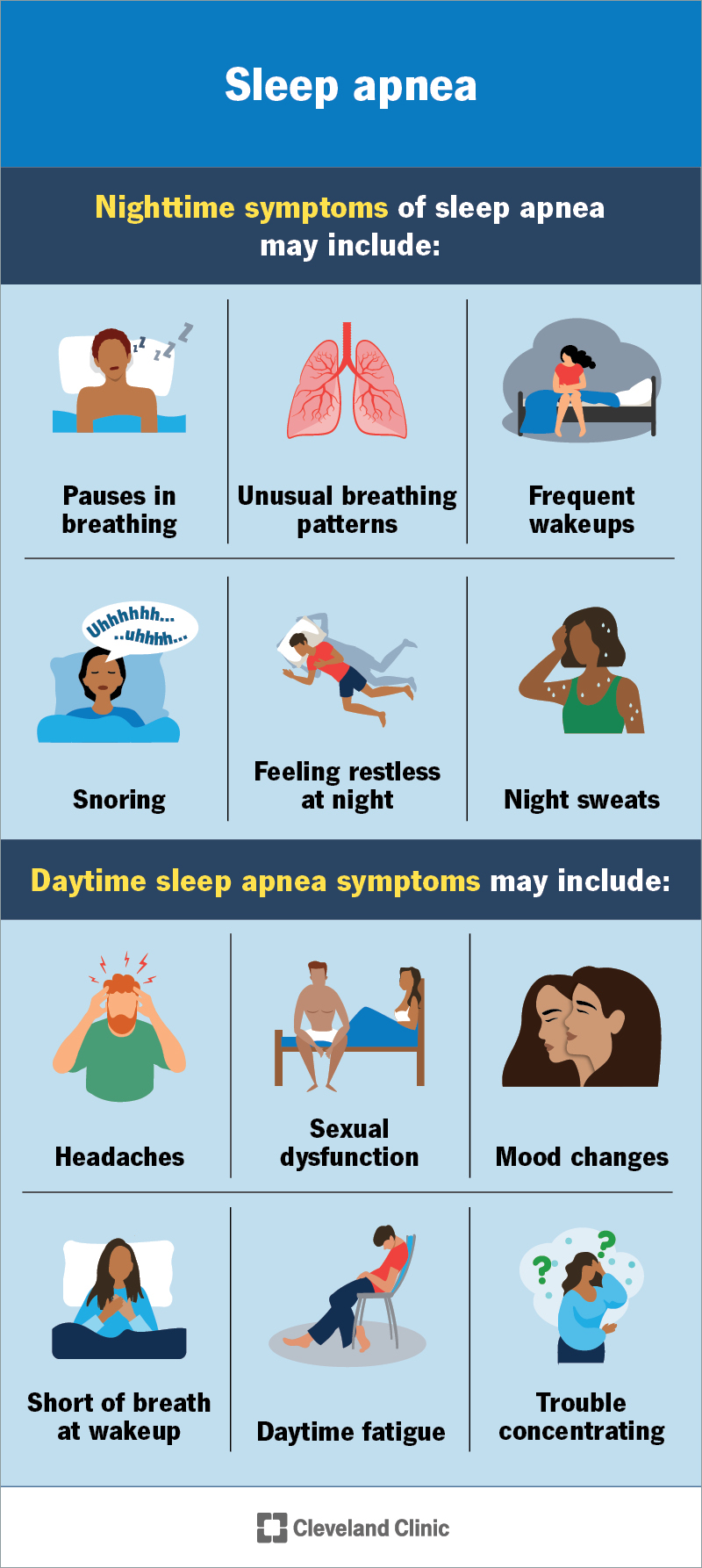
Sleep apnea is a condition where breathing stops briefly. Alcohol makes this problem worse. It relaxes throat muscles too much. The airway can close more often. This causes many pauses in breathing during sleep. Each pause can wake you up. This leads to poor sleep quality.
Snoring And Interrupted Sleep
Alcohol increases snoring. Relaxed throat muscles vibrate more. Loud snoring can wake you or your partner. These interruptions break your deep sleep. You may feel tired the next day. Snoring is a sign your breathing is blocked.
Breathing Patterns And Wake-ups
Alcohol changes your normal breathing pattern. You may breathe slower or stop briefly. These changes cause your brain to wake you. Your body tries to fix the airflow. This causes many short wake-ups at night. It prevents restful and continuous sleep.
Hormonal Effects Linked To Alcohol
Alcohol affects the body’s hormones in many ways. These changes can cause you to wake up during the night. Hormones help control sleep and wake cycles. Drinking alcohol disrupts this balance, leading to poor sleep quality.
Cortisol And Stress Response
Cortisol is a hormone linked to stress. Alcohol raises cortisol levels in the body. Higher cortisol makes the body alert and awake. This stops deep sleep and causes nighttime wake-ups. The stress response gets triggered, even during sleep.
Melatonin Suppression
Melatonin controls the sleep-wake cycle. The body releases melatonin as it gets dark. Alcohol reduces melatonin production. Lower melatonin makes it harder to fall asleep. It also causes you to wake up more often at night.
Hormone Imbalance And Sleep Quality
Alcohol changes many hormone levels in the body. These imbalances disrupt the natural sleep process. The body cannot maintain deep, restful sleep. Nighttime waking becomes more frequent. Hormone imbalance explains why alcohol harms sleep quality.
Psychological Factors And Night Wakings
Psychological factors play a big role in why alcohol causes night wakings. Alcohol changes how the brain works during sleep. This can cause feelings and thoughts that wake you up. Understanding these effects helps explain why sleep becomes restless after drinking.
Anxiety And Restlessness
Alcohol can increase anxiety at night. It may seem to calm you at first. But later, it can cause the mind to race. This restlessness makes it hard to stay asleep. Nighttime worries often become stronger after drinking.
Alcohol’s Effect On Brain Activity
Alcohol changes brain waves during sleep. It reduces deep sleep and increases light sleep. The brain becomes more active in certain stages. This activity can cause you to wake up easily. The brain struggles to maintain deep, restful sleep.
Dream Intensity And Nightmares
Drinking alcohol can lead to stronger dreams and nightmares. These vivid dreams may wake you from sleep. The brain processes emotions more intensely during these dreams. Nightmares can cause sudden awakenings and trouble falling back asleep.
Tips To Minimize Alcohol-related Sleep Disruptions
Alcohol often disrupts sleep by causing frequent awakenings at night. Simple changes can reduce these disturbances. Follow practical tips to improve your sleep after drinking. These small steps help your body rest better and wake up refreshed.
Optimal Drinking Times
Drink alcohol earlier in the evening. Avoid drinking close to bedtime. This gives your body time to process alcohol. It lowers the chance of waking up during the night. Aim to stop drinking at least two hours before sleep.
Hydration Strategies
Drink plenty of water before and after alcohol. Water helps flush out toxins and reduces dehydration. Dehydration can cause headaches and restless sleep. Keep a glass of water near your bed. Sip it if you wake up thirsty during the night.
Sleep Environment Adjustments
Make your bedroom quiet and dark. Remove noise and light distractions. Use blackout curtains and earplugs if needed. Keep the room cool and comfortable. A calm environment helps you fall asleep faster and stay asleep longer.
Frequently Asked Questions
Why Does Alcohol Disrupt Sleep Cycles?
Alcohol interferes with your body’s natural sleep stages. It reduces REM sleep, causing lighter, fragmented rest. This disruption leads to frequent nighttime awakenings and poor sleep quality.
How Does Alcohol Affect Rem Sleep At Night?
Alcohol suppresses REM sleep early in the night. As it wears off, REM rebounds, causing vivid dreams and wake-ups. This cycle interrupts deep, restorative sleep, making you feel tired the next day.
Can Alcohol-induced Dehydration Cause Night Awakenings?
Yes, alcohol is a diuretic, increasing urine production. This leads to dehydration and frequent bathroom trips at night. Both factors contribute to waking up multiple times during sleep.
Does Alcohol Impact Breathing During Sleep?
Alcohol relaxes throat muscles, increasing the risk of snoring and sleep apnea. These breathing disturbances cause frequent awakenings and reduce sleep quality, leaving you tired and unrested.
Conclusion
Alcohol may help you fall asleep faster at first. But it disrupts your sleep cycle later on. This leads to waking up several times during the night. Your body processes alcohol and causes restless sleep. Drinking less or avoiding alcohol near bedtime can improve rest.
Good sleep is key to feeling healthy and alert. Pay attention to how alcohol affects your nights. Small changes can make a big difference in sleep quality. Sleep well, live well.