
As an Amazon Associate I earn from qualifying purchases.
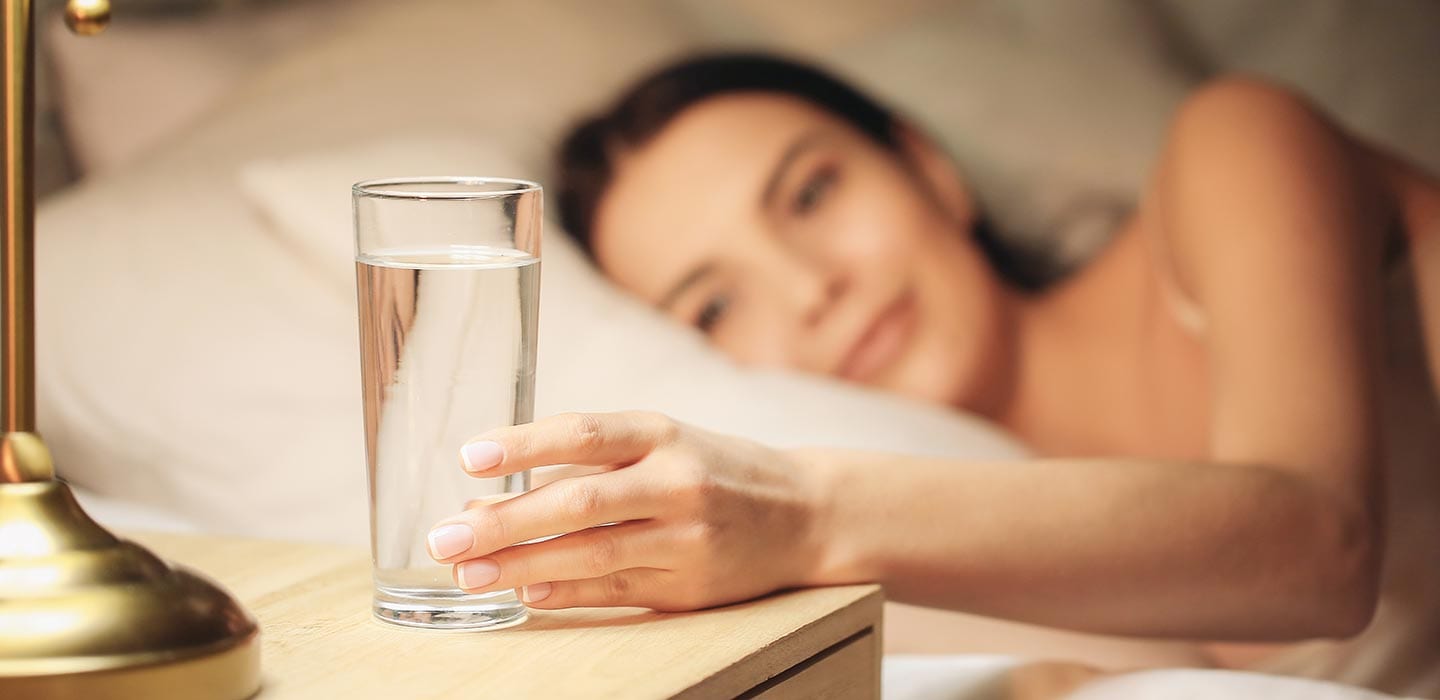
Have you ever wondered why you sometimes wake up feeling tired, even after a full night’s sleep? The secret might be simpler than you think—your hydration.
How much water you drink can directly impact the quality of your sleep. When your body is well-hydrated, you’re more likely to enjoy deep, restful sleep. But if you’re dehydrated, it can cause discomfort, restless nights, and even disrupt your natural sleep cycle.
Keep reading to discover how hydration affects your sleep and learn easy ways to improve both your water intake and your rest. Your best night’s sleep could be just a sip away.
Quick Navigation
Hydration And Sleep Link
Hydration plays a key role in how well you sleep. The amount of water in your body affects many processes. These processes help your body relax and repair during sleep. Drinking enough water helps keep these systems working smoothly. On the other hand, not drinking enough can cause sleep problems.
Understanding the link between hydration and sleep can help improve rest quality. It shows why staying hydrated matters beyond just feeling awake.
How Water Influences Sleep Quality
Water helps regulate your body temperature. Proper temperature control is needed for deep sleep. It also supports the balance of electrolytes. Electrolytes affect nerve signals and muscle function. This balance helps your body stay calm and relaxed at night. Dehydration can cause your body to feel restless. It may lead to more waking during the night. Drinking enough water promotes longer and more restful sleep cycles.
Signs Of Dehydration Impacting Rest
Dry mouth and throat can disturb sleep. Feeling thirsty at night often means low hydration. Muscle cramps and headaches can wake you up. Dark urine may signal your body lacks water. Fatigue and difficulty concentrating the next day can also be caused by poor sleep linked to dehydration. Recognizing these signs helps you adjust your water intake for better rest.
Effects Of Dehydration During Night
Dehydration during the night can harm your sleep quality. Your body needs enough water to keep all systems working well. Without enough fluids, you may face many sleep problems. These issues disrupt your rest and leave you tired.
Not drinking enough water before bed makes it harder for your body to relax. It can cause discomfort and wake you up often. Staying hydrated supports smooth sleep cycles and better recovery.
Common Nighttime Disruptions
Dehydration can cause dry mouth and throat, making you wake up thirsty. This discomfort breaks your sleep and stops deep rest. Muscle cramps may also occur, especially in your legs. These cramps can be painful and wake you suddenly.
Headaches are another sign of dehydration that disturb sleep. They can make it hard to fall back asleep after waking. Night sweating linked to dehydration can also interrupt your sleep. These symptoms reduce the overall quality of your rest.
Dehydration And Sleep Disorders
Chronic dehydration may increase the risk of sleep disorders. For example, it can worsen conditions like sleep apnea. Dry airways from dehydration make breathing difficult during sleep. This problem causes snoring and frequent waking.
Dehydration also affects the balance of electrolytes, which are vital for nerve function. Imbalance can lead to restless legs syndrome, causing an urge to move your legs. This syndrome disrupts sleep and lowers sleep quality.
Optimal Hydration For Better Sleep
Staying well-hydrated plays a key role in improving sleep quality. Water helps regulate body temperature and supports essential functions that promote rest. Drinking enough water at the right times can reduce sleep disruptions and help you fall asleep faster.
Understanding when and how much water to drink can make a difference. Proper hydration balances your body’s needs without causing nighttime bathroom trips. This balance supports uninterrupted, deeper sleep.
Best Times To Drink Water
Drink water throughout the day, not all at once. Start your morning with a glass to kickstart hydration. Sip water steadily in the afternoon to stay refreshed.
Limit water intake close to bedtime. Drinking too much before sleep may cause waking up at night. Try to stop drinking water about one hour before bed.
Daily Water Intake Recommendations
Adults should aim for about 8 glasses or 2 liters of water daily. This amount varies with body size, activity, and climate. Listen to your body’s signals like thirst and dry mouth.
Include water-rich foods like fruits and vegetables in your diet. These add to your hydration and provide nutrients that support sleep. Proper daily water intake helps maintain good sleep patterns.
Hydrating Foods And Sleep
Hydrating foods play a key role in improving sleep quality. Eating the right foods helps keep the body hydrated. Good hydration supports the body’s natural sleep cycle. It also helps reduce night-time discomfort, like cramps or dry mouth. Including hydrating foods in your diet can lead to better rest.
Foods That Boost Hydration
Many fruits and vegetables contain high water content. Watermelon is about 92% water and helps keep you hydrated. Cucumbers have 95% water and also provide vitamins. Strawberries and oranges hydrate and offer antioxidants. Leafy greens, such as lettuce and spinach, contain water and fiber. These foods are easy to add to meals or snacks.
Combining Hydration With Nutrients
Hydrating foods often come with important nutrients. Potassium and magnesium help balance fluids in the body. Bananas and avocados provide these minerals and support hydration. Eating hydrating foods with protein can stabilize blood sugar. This balance may prevent waking up during the night. Choose simple meals that mix water-rich foods with healthy nutrients.
Tips To Stay Hydrated Without Overdoing It
Staying hydrated is key for good sleep, but too much water at night can cause problems. Drinking the right amount helps your body rest well. Here are simple tips to keep hydrated without waking up often.
Avoiding Nighttime Bathroom Trips
Limit drinking water one to two hours before bed. This reduces the need to wake up at night. Try smaller sips if you feel thirsty late in the evening. Avoid caffeine and alcohol as they increase bathroom visits. Keep your bedroom cool to reduce sweating and thirst.
Balancing Fluid Intake Throughout The Day
Drink water steadily from morning to evening. Spread your fluids evenly to avoid feeling very thirsty later. Eat foods with high water content like fruits and vegetables. Set reminders to drink water during work or school. This helps maintain hydration without gulping large amounts at once.

Lifestyle Habits Supporting Hydration And Sleep
Good lifestyle habits help keep your body hydrated and improve sleep quality. Drinking enough water supports your body’s natural functions. Sleep depends on many factors, and hydration is one of them. Simple habits can make a big difference in how well you rest at night.
Exercise And Fluid Needs
Exercise makes your body lose water through sweat. You must drink fluids before, during, and after exercise. This keeps your body balanced and prevents dehydration. Proper hydration helps muscles recover and relax. It also prevents cramps that can disturb sleep. Staying hydrated supports better rest after physical activity.
Limiting Caffeine And Alcohol
Caffeine and alcohol affect hydration and sleep differently. Caffeine is a diuretic that increases urine production. Drinking too much caffeine can dehydrate your body. It also makes falling asleep harder. Alcohol causes dehydration by making you lose water. It may help you fall asleep but reduces sleep quality. Limiting these drinks helps keep your body hydrated and sleep sound.
When To Seek Professional Advice
Understanding when to seek professional advice about hydration and sleep matters. Sometimes, simple changes do not improve your rest or fluid balance. Experts can find the root cause and suggest the right treatment. Early help may prevent bigger problems.
Persistent Sleep And Hydration Issues
Constant trouble sleeping and feeling thirsty can signal a deeper issue. You may notice waking up often at night or feeling tired during the day. Drinking more water does not stop these problems. A healthcare provider can check for underlying causes. They might recommend tests or changes in your routine.
Medical Conditions Affecting Hydration
Some illnesses affect how your body handles fluids and sleep. Diabetes, kidney problems, and hormonal imbalances can cause dehydration or sleep disruption. These conditions need medical care to manage symptoms well. Doctors can create a plan to improve both hydration and rest. Ignoring these signs may lead to serious health risks.
Frequently Asked Questions
How Does Hydration Impact Sleep Quality?
Proper hydration helps regulate body temperature and supports brain function, both essential for restful sleep. Dehydration can cause discomfort and disrupt sleep cycles. Drinking enough water before bedtime promotes deeper, uninterrupted sleep and improves overall sleep quality.
Can Drinking Water Before Bed Improve Sleep?
Drinking water before bed can prevent dehydration-related sleep disturbances. However, excessive intake may cause frequent bathroom trips, disrupting sleep. It’s best to hydrate moderately in the evening to balance hydration and avoid sleep interruptions.
Does Dehydration Cause Insomnia Or Restless Sleep?
Yes, dehydration can lead to insomnia and restless sleep. It causes dry mouth, cramps, and increased heart rate, which disrupt sleep. Staying hydrated ensures comfort and helps maintain consistent sleep patterns for better rest.
How Much Water Should I Drink For Better Sleep?
Aim for 8 cups (about 2 liters) of water daily, adjusting for activity and climate. Avoid heavy drinking right before bed to prevent nighttime awakenings. Balanced hydration throughout the day supports optimal sleep quality.
Conclusion
Good sleep needs good hydration. Drinking enough water helps your body relax. It keeps your mind clear and calm. Avoid too much water right before bed. This stops waking up at night. Small changes can improve your rest. Try to drink water steadily during the day.
Your sleep will feel deeper and better. Stay aware of how your body feels. Healthy habits lead to peaceful nights. Simple steps make a big difference. Sleep well, live well.