
As an Amazon Associate I earn from qualifying purchases.
Are you tired of tossing and turning all night? Struggling to get the deep, restful sleep you need can leave you feeling drained and frustrated.
But what if the answer to better sleep isn’t a pill or a new gadget, but something as simple as what’s on your plate? Can changing your diet really help fix poor sleep? You’ll discover surprising links between the foods you eat and how well you sleep.
Keep reading to find out how small changes to your diet could transform your nights—and your days.

Quick Navigation
Link Between Diet And Sleep
Diet plays an important role in sleep quality. What you eat can help you fall asleep faster or cause restless nights. Certain foods support the body’s natural sleep processes. Others may interfere with your ability to rest deeply.
Understanding how diet affects sleep helps improve your nightly rest. Small changes in eating habits can make a big difference. Choosing the right nutrients supports your body’s need to relax and repair during sleep.
How Food Affects Sleep Quality
Some foods contain chemicals that influence brain activity. These chemicals affect how quickly you fall asleep. They also impact how long you stay in deep sleep stages.
Heavy meals or spicy foods can cause discomfort. This may lead to waking up during the night. Eating at least two hours before bed helps avoid this problem.
Nutrients That Promote Rest
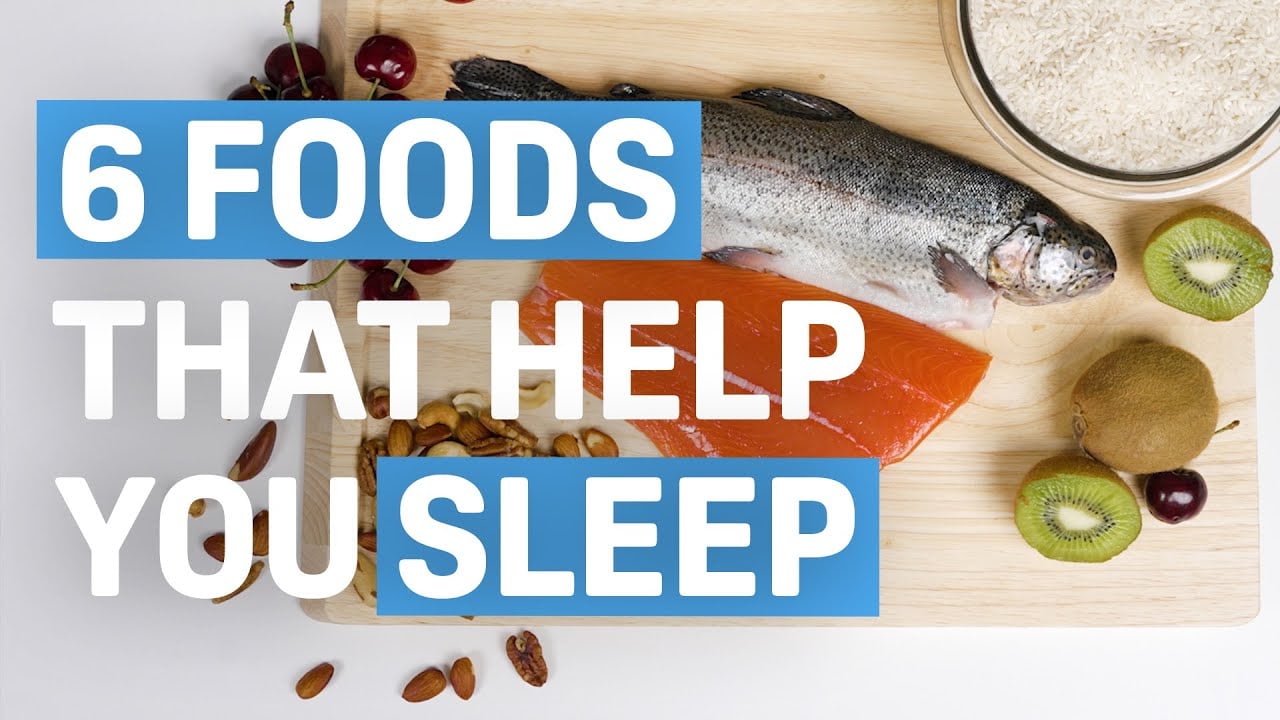
Magnesium, calcium, and vitamin B6 support better sleep. They help regulate melatonin, the hormone that controls sleep cycles. Foods rich in these nutrients include nuts, leafy greens, and bananas.
Protein sources like turkey and fish provide tryptophan. Tryptophan helps the body produce serotonin, which promotes calmness. Including these foods in your dinner can ease the transition to sleep.
Foods That Disrupt Sleep
Caffeine and sugar can cause restlessness and insomnia. Avoid coffee, soda, and sweets close to bedtime. Alcohol may make you sleepy at first but lowers sleep quality later.
Highly processed and fried foods can lead to indigestion. This disrupts your sleep cycle and reduces deep sleep phases. Choose whole, fresh foods to keep your sleep steady and restorative.
Best Foods For Better Sleep
Eating the right foods can improve your sleep quality. Certain foods help your body relax and prepare for rest. Including these foods in your diet may help you fall asleep faster and enjoy deeper sleep. Here are some of the best foods to support better sleep.
Sleep-boosting Fruits And Vegetables
Fruits and vegetables rich in vitamins and minerals help calm your mind. Cherries contain melatonin, a hormone that controls sleep cycles. Bananas have magnesium and potassium that relax muscles. Leafy greens like spinach are full of calcium, which aids sleep. Sweet potatoes provide complex carbs that keep you full and relaxed.
Proteins That Support Rest
Proteins with tryptophan help your brain produce serotonin, a sleep hormone. Turkey and chicken are great sources of tryptophan. Eggs also contain this important amino acid. Nuts, especially almonds and walnuts, provide protein and healthy fats. These foods promote calmness and steady energy for better sleep.
Herbs And Spices For Relaxation
Herbs and spices can soothe the nervous system and reduce stress. Chamomile tea is famous for its calming effects. Lavender helps lower anxiety and improve sleep quality. Cinnamon supports blood sugar balance, which can affect sleep. Ginger eases digestion and relaxes your body before bedtime.
Foods And Drinks To Avoid
Choosing what to eat and drink affects your sleep quality. Some foods and beverages can disturb your sleep. Avoiding these helps improve rest and energy levels. Here are key items to watch out for.
Caffeine And Its Impact
Caffeine is a stimulant found in coffee, tea, and some sodas. It blocks the brain’s sleep signals. Drinking caffeine late in the day makes falling asleep hard. Even small amounts can reduce sleep time.
Try to stop caffeine intake at least six hours before bedtime. This helps your body prepare for sleep naturally.
Sugary And Processed Foods
Sugary snacks and processed foods raise blood sugar quickly. This causes energy spikes and crashes. These swings can wake you up at night. Processed foods often contain additives that disrupt sleep patterns.
Eating these foods close to bedtime can make rest restless and less refreshing.
Alcohol And Sleep Patterns
Alcohol may help you fall asleep fast. But it lowers sleep quality later in the night. It reduces deep sleep and causes frequent waking. Drinking alcohol near bedtime often leads to tired mornings.
Limiting alcohol intake in the evening supports better and longer sleep cycles.
Meal Timing And Sleep
Meal timing plays a key role in sleep quality. The food you eat and when you eat it can affect how well you rest. Eating too close to bedtime may cause discomfort and disrupt sleep. On the other hand, long gaps without food can lead to hunger and restless nights. Understanding meal timing helps improve your sleep naturally.
When To Eat For Restful Nights
Try to finish your last big meal two to three hours before bed. This gives your body time to digest food properly. Eating too late can cause acid reflux or indigestion. Both make it hard to fall asleep. A regular eating schedule supports your body’s internal clock and promotes better sleep.
Light Vs Heavy Meals Before Bed
Light meals before bed are better than heavy ones. Heavy meals can keep your body working hard during sleep. This may cause discomfort and waking up at night. Choose foods that are easy to digest, like yogurt or a small bowl of oatmeal. Avoid spicy, fried, or fatty foods close to bedtime.
Snacking Tips For Better Sleep
Small snacks can help if you feel hungry before bed. Pick snacks low in sugar and fat. Examples include a banana, a few almonds, or a small piece of cheese. Avoid caffeine and sugary treats, which can keep you awake. A healthy snack can prevent hunger and help you sleep peacefully.
Lifestyle Habits That Complement Diet
Diet plays a key role in sleep quality. Yet, diet alone might not solve poor sleep issues. Other lifestyle habits also affect how well you rest. Combining good diet with healthy habits helps improve sleep naturally. Simple changes in daily routine can support better sleep patterns.
Hydration And Sleep
Water intake affects sleep more than many think. Staying hydrated helps your body function well at night. Avoid drinking too much right before bed. It prevents frequent bathroom trips that wake you up. Drink water steadily throughout the day for balanced hydration.
Exercise And Mealtime
Physical activity promotes deeper sleep and faster sleep onset. Aim to finish exercise at least three hours before bedtime. Eating time also impacts sleep quality. Avoid heavy meals close to bedtime to prevent discomfort. Light snacks with sleep-friendly foods can help if hungry before sleep.
Stress Management Through Nutrition
Stress disrupts sleep by raising cortisol levels. Certain foods help lower stress naturally. Foods rich in magnesium and omega-3 fatty acids support relaxation. Herbal teas like chamomile also calm the mind. Combine healthy eating with breathing exercises or meditation for best results.
Proven Tips For Restful Nights
Restful nights depend on many factors, and diet plays a key role. Small changes in eating habits can improve sleep quality. Simple, proven tips help create a better sleep routine through food choices. Consistency matters. Understanding how food affects sleep supports healthier nights.
Creating A Sleep-friendly Eating Plan
Choose foods that support sleep naturally. Include whole grains, lean proteins, and fruits. Avoid heavy meals close to bedtime. Limit caffeine and sugar in the afternoon and evening. Hydrate well but reduce fluids near bedtime to avoid waking up. Balanced meals help regulate body rhythms and promote rest.
Tracking Food And Sleep Patterns
Keep a daily log of what you eat and your sleep hours. Note any foods that cause restlessness or improve sleep. Track meal times and sleep quality. Patterns may show links between diet and how well you sleep. Use this information to adjust your eating habits gradually.
When To Seek Professional Help
Persistent sleep problems need expert advice. Talk to a doctor or sleep specialist if poor sleep continues. A nutritionist can help tailor a diet for better rest. Professionals can identify underlying issues affecting sleep. Early help improves overall health and sleep quality.

Frequently Asked Questions
Can Diet Improve Sleep Quality Naturally?
Yes, certain foods boost sleep by increasing melatonin and serotonin. Balanced meals rich in magnesium, tryptophan, and vitamins help regulate sleep cycles naturally.
What Foods Should I Avoid For Better Sleep?
Avoid caffeine, sugary snacks, and heavy meals before bed. These disrupt sleep patterns and cause restlessness, making it harder to fall and stay asleep.
How Does Magnesium Affect Sleep Patterns?
Magnesium relaxes muscles and calms the nervous system. It improves sleep quality by regulating neurotransmitters that promote deep, restful sleep.
Can Hydration Impact Sleep Quality?
Yes, proper hydration supports overall bodily functions, including sleep. However, avoid drinking large amounts before bed to prevent nighttime awakenings.
Conclusion
Diet can play a key role in improving your sleep quality. Choosing the right foods helps your body relax and rest better. Avoid heavy meals before bedtime to prevent discomfort. Foods rich in magnesium, tryptophan, and vitamins support good sleep.
Small changes in your eating habits may lead to better nights. Sleep and diet work together for your overall health. Try simple adjustments and notice the difference in how you feel. Good sleep starts with healthy choices on your plate.