
As an Amazon Associate I earn from qualifying purchases.
Are you someone who feels a little hungry before bedtime and wonders if grabbing a snack is a good idea? You’re not alone.
Many people struggle with the question: are pre-bed snacks helpful or harmful to your health and sleep? What you choose to eat before you hit the pillow can make a big difference in how you feel the next day. You’ll discover surprising facts about late-night snacking that could change the way you think about your nighttime routine.
Keep reading to find out if your pre-bed snack is working for you—or against you.
Quick Navigation
Benefits Of Pre-bed Snacks
Eating a snack before bed can have positive effects on the body. Choosing the right snack helps the body and mind rest better. It supports good health by balancing hunger and energy levels at night.
Small, healthy snacks can improve sleep quality, keep blood sugar steady, and stop hunger from waking you up. These benefits make pre-bed snacks helpful for many people.
Improved Sleep Quality
Some snacks contain nutrients that help the brain relax. Foods with magnesium or tryptophan can make falling asleep easier. A light snack can prevent waking up due to hunger. This helps maintain deep and restful sleep throughout the night.
Stabilizing Blood Sugar Levels
Eating before bed keeps blood sugar steady. This stops sudden drops that can disturb sleep or cause tiredness. Balanced blood sugar helps the body recover and repair while sleeping. It also reduces the chance of waking up hungry or feeling weak.
Preventing Nighttime Hunger
A small snack stops hunger pains at night. Hunger can cause discomfort and make it hard to fall asleep. Eating a bit before bed reduces the chance of waking up hungry. This helps maintain a calm and peaceful sleep until morning.
Risks Of Late-night Eating
Eating late at night can cause several health problems. Many people think a small snack before bed is harmless. But it may affect your body and sleep in different ways. Understanding these risks helps you make better choices.
Weight Gain Concerns
Eating late adds extra calories that your body may not burn. This can lead to fat storage and weight gain. Your metabolism slows down at night. So, calories eaten late turn more easily into fat. Skipping or choosing light snacks can help control weight.
Digestive Issues
Late-night eating can upset your stomach. Digesting food takes energy and time. Lying down soon after eating can cause acid reflux or heartburn. Your body struggles to digest heavy or spicy food before sleep. These problems may cause discomfort and poor digestion.
Disrupted Sleep Patterns
Eating close to bedtime can disturb your sleep. Your body works hard to digest food instead of resting. This can make it harder to fall asleep or cause waking up often. Certain foods with caffeine or sugar can also keep you awake. Better sleep comes from avoiding late meals.
Best Snacks Before Bed
Choosing the right snack before bed can improve sleep and avoid weight gain. The best snacks are light, easy to digest, and support relaxation. Eating the wrong foods may cause discomfort or restless nights. Here are some good options to consider.
High-protein Options
Protein helps repair muscles and keeps you full longer. Good choices include a small serving of Greek yogurt or cottage cheese. A boiled egg or a handful of nuts also work well. These snacks provide steady energy without spiking blood sugar.
Foods Rich In Magnesium And Tryptophan
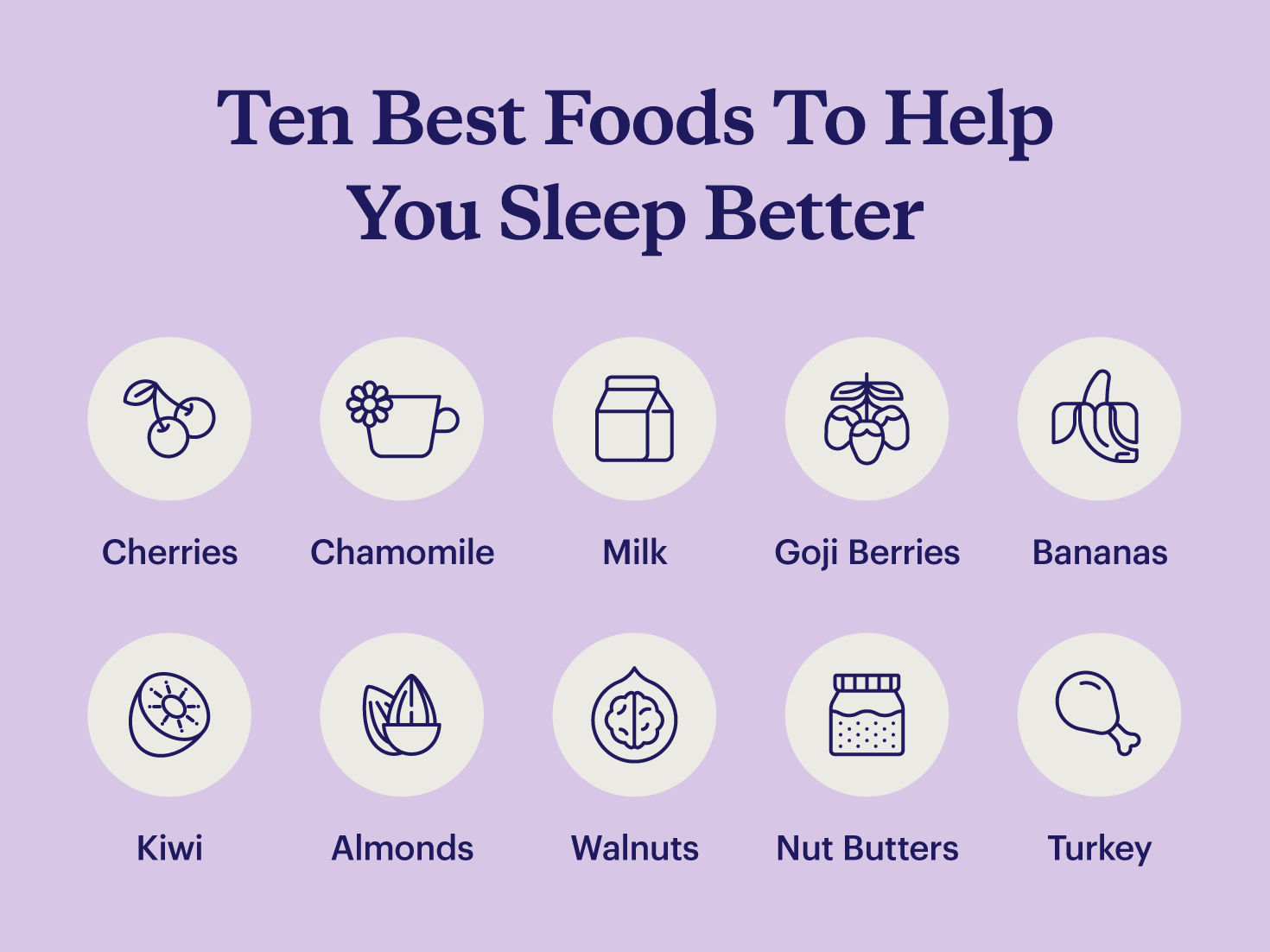
Magnesium relaxes muscles and calms the nervous system. Tryptophan helps produce sleep hormones. Foods like bananas, pumpkin seeds, and almonds contain magnesium. Turkey and warm milk are rich in tryptophan. These snacks may help you fall asleep faster.
Low-sugar Choices
High sugar before bed can cause energy spikes and crashes. Choose snacks with low sugar to avoid waking up at night. Fresh vegetables, plain nuts, or a small slice of cheese are good options. These keep blood sugar steady and support restful sleep.
Snacks To Avoid At Night
Choosing the right snack before bed matters a lot for your sleep quality. Some foods can make it hard to fall asleep or cause discomfort. Knowing which snacks to avoid helps keep your nights peaceful and restful. Here are some common snacks that might disturb your sleep.
Caffeine And Stimulants
Caffeine is a strong stimulant that keeps you awake. It hides in coffee, tea, chocolate, and some sodas. Eating or drinking these at night can delay sleep and reduce sleep quality. Even small amounts can make you restless. Avoid these snacks to help your body relax before bed.
Heavy Or Spicy Foods
Heavy meals or spicy snacks cause indigestion and heartburn. They make it hard for your stomach to settle. This discomfort can wake you up at night. Foods like fried items, hot sauces, and spicy chips are best skipped. Choose lighter snacks to keep your sleep calm.
High-sugar And Processed Snacks
Sweets and processed snacks cause blood sugar spikes. These spikes can lead to energy bursts that keep you awake. Candy, cookies, and packaged snacks often have hidden sugars. They also lack nutrients that help your body rest. Opt for natural, low-sugar snacks instead.
Timing And Portion Control
Choosing the right time and amount for a pre-bed snack can change how you sleep and feel the next day. Eating too late or too much might cause discomfort or restless sleep. Small, well-timed snacks can help keep hunger away and support better rest. Let’s explore the best timing and portion sizes for pre-bed snacks.
Ideal Snack Timing
Eat your snack about 30 to 60 minutes before bedtime. This gives your body time to digest the food properly. Eating too close to bedtime may cause indigestion or disturb sleep. A small snack earlier in the evening can keep hunger in check without causing issues. Timing your snack right helps your body prepare for rest.
Recommended Portion Sizes
Keep your pre-bed snack small, around 100 to 150 calories. Too much food can make you feel heavy or uncomfortable in bed. Choose snacks that are light but filling, such as a small banana or a handful of nuts. Small portions satisfy hunger without adding extra stress to your digestion. Portion control helps balance energy and promotes peaceful sleep.
Personal Factors Influencing Snack Impact
Pre-bed snacks affect people differently. Personal factors play a big role in how your body reacts to food before sleep. What works for one person may not work for another. Understanding these factors helps you choose the right snack and avoid sleep problems or weight gain.
Metabolism Variations
Metabolism speed varies from person to person. Some people burn calories quickly, even while resting. Others have slower metabolisms and digest food more slowly. Fast metabolism can mean a small snack won’t cause problems at night. Slow metabolism may cause discomfort or weight gain after late eating.
Underlying Health Conditions
Health issues affect how snacks impact your body. Conditions like diabetes require careful timing and food choices. Acid reflux patients may need to avoid heavy or spicy snacks before bed. Food allergies or intolerances can cause sleep disturbances. Knowing your health status helps you pick snacks that support good rest.
Lifestyle And Activity Levels
Active people often need more energy and can handle snacks better. Sedentary individuals may gain weight more easily from late eating. Stress and sleep patterns also influence snack effects. Busy lifestyles might cause irregular eating times, affecting digestion and sleep quality. Matching snacks to your daily routine improves comfort and health.
Frequently Asked Questions
Are Pre-bed Snacks Good For Sleep Quality?
Pre-bed snacks can improve sleep if they contain tryptophan or magnesium. Avoid heavy or sugary foods that disrupt sleep. Choose light, protein-rich snacks for better rest.
What Are The Best Snacks Before Bedtime?
Best pre-bed snacks include yogurt, almonds, bananas, and whole-grain crackers. These foods promote relaxation and steady blood sugar. Avoid caffeine, spicy, or fatty snacks before bed.
Can Pre-bed Snacks Cause Weight Gain?
Eating large or high-calorie snacks before bed can lead to weight gain. Portion control and healthy choices reduce this risk. Small, nutrient-rich snacks are less likely to cause weight issues.
How Long Before Bed Should I Eat A Snack?
Ideally, eat a pre-bed snack 30 to 60 minutes before sleeping. This timing helps digestion and prevents hunger without causing discomfort. Avoid eating immediately before lying down.
Conclusion
Choosing the right pre-bed snack can affect your sleep and health. Small portions with protein or healthy fats help avoid hunger at night. Sugary or heavy foods might cause discomfort or restless sleep. Timing also matters; eat at least an hour before bed.
Listen to your body’s signals and find what works best. Balance and moderation keep your nights peaceful and your body satisfied. Pre-bed snacks are not bad—they depend on your choices and habits.