
As an Amazon Associate I earn from qualifying purchases.
Have you ever wondered why you toss and turn at night, even when you feel tired? The answer might be hiding in your daily sugar intake.
Sugar isn’t just about satisfying your sweet tooth—it can secretly disrupt your sleep patterns and leave you feeling restless. If you want to wake up refreshed and full of energy, understanding how sugar affects your sleep is key. Keep reading to discover the surprising ways sugar impacts your nights and simple steps you can take to sleep better starting tonight.
Quick Navigation
Sugar And Sleep Basics
Sugar and sleep share a surprising connection. Eating sugar affects how well you rest at night. Understanding this link helps improve sleep quality. Sleep is essential for health, and sugar can interfere with it.
Many people do not realize how sugar impacts their sleep cycles. Knowing what happens after eating sugar clarifies why sleep might feel restless. Let’s explore the basics of sugar and sleep.
What Happens When You Eat Sugar
Sugar quickly enters the bloodstream after eating. This causes a sharp rise in blood sugar levels. The body releases insulin to lower this sugar spike. Energy levels rise fast, then drop suddenly.
This energy drop can lead to tiredness or restlessness. High sugar intake can cause the body to feel jittery. It also triggers stress hormones like cortisol. These hormones make it harder to fall asleep.
Sleep Cycles Explained
Sleep happens in cycles that repeat all night. Each cycle includes light sleep, deep sleep, and REM sleep. Deep sleep helps the body repair and grow. REM sleep supports memory and mood.
Sugar can disturb these cycles by causing wakefulness. It reduces time spent in deep and REM sleep. Poor sleep cycles mean less rest and more fatigue. Keeping sugar intake low helps maintain healthy sleep patterns.
Sugar’s Immediate Effects On Sleep
Sugar affects sleep right after eating or drinking it. It causes quick changes in the body. These changes can make it hard to relax and fall asleep. Understanding these effects helps you make better choices for good rest.
Many people do not realize how much sugar disrupts their sleep on the same day. The body reacts fast. The effects start soon after sugar enters the bloodstream.
Energy Spikes And Crashes
Sugar gives a fast energy boost. Blood sugar levels rise quickly. You may feel awake and alert at first.
This burst of energy does not last long. Soon, blood sugar drops fast. This drop causes tiredness and low energy.
Energy crashes make it hard to stay calm before bed. The body struggles to keep balance. This rollercoaster of energy confuses the brain and body.
Impact On Falling Asleep
High sugar levels can delay sleep. The body stays active and alert. It is hard to wind down after sugar intake.
Sugar can also increase heart rate. A faster heartbeat makes relaxation difficult. The brain stays in a busy state.
This state makes falling asleep slow and challenging. You might toss and turn for a long time. The mind struggles to switch off.
Long-term Sleep Disruptions
Consuming sugar regularly can cause long-term problems with sleep. These problems go beyond just feeling tired the next day. Over time, sugar can break the natural sleep cycle, making it harder to get restful sleep night after night.
Long-term sleep disruptions can reduce overall sleep quality. This can affect mood, memory, and even physical health. Understanding how sugar impacts sleep helps us make better choices for a good night’s rest.
Chronic Sleep Fragmentation
High sugar intake can lead to frequent wake-ups during the night. These interruptions stop the body from completing full sleep cycles. The result is broken sleep, called chronic sleep fragmentation.
When sleep is fragmented, the body cannot fully relax or repair itself. People may feel tired even after a full night’s sleep. Over time, this can cause serious health problems like high blood pressure and weakened immunity.
Effects On Deep Sleep
Deep sleep is the most restorative part of sleep. Sugar reduces the time spent in this crucial stage. Less deep sleep means the brain and body miss out on important recovery processes.
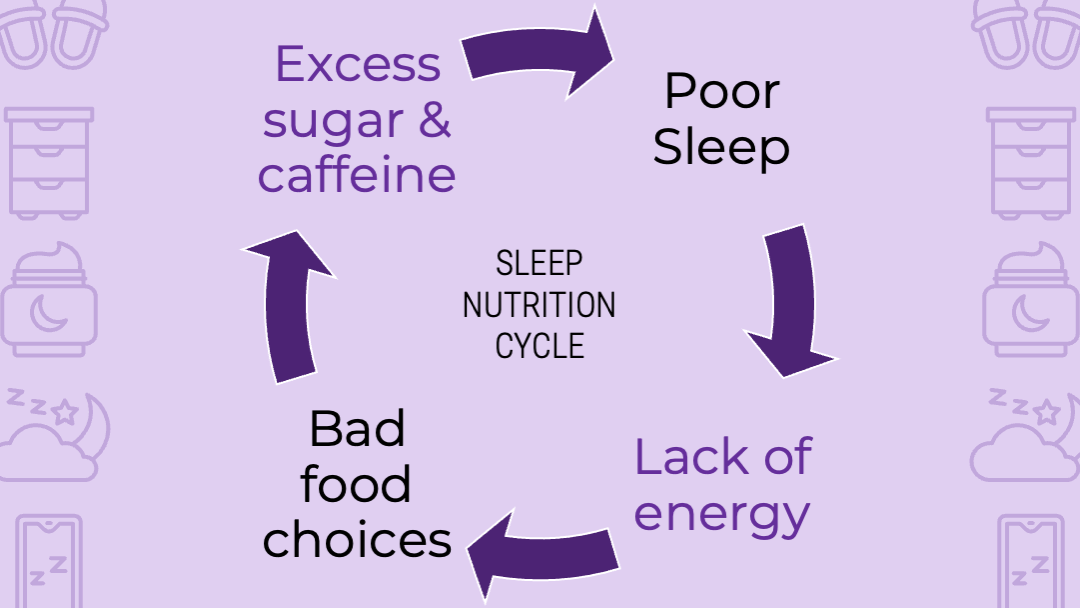
Without enough deep sleep, concentration and memory suffer. The body also struggles to regulate hormones that control hunger and stress. This creates a cycle where sugar cravings and poor sleep feed each other.
Sugar And Hormone Imbalance
Sugar intake can disrupt the body’s hormone balance, affecting sleep quality. Hormones control many body functions, including sleep cycles. Eating too much sugar causes changes in these hormones. These changes make it harder to fall asleep and stay asleep.
Role Of Insulin
Insulin helps control blood sugar levels after eating. High sugar intake forces the body to release more insulin. Too much insulin causes blood sugar to drop quickly. This drop can wake you up or prevent deep sleep. Constant insulin spikes also disturb the natural sleep rhythm.
Cortisol And Stress Response
Cortisol is the hormone linked to stress. Eating sugar raises cortisol levels in the body. High cortisol makes the body alert and restless. This alertness interferes with falling asleep easily. Over time, sugar-driven cortisol imbalance harms sleep quality and duration.
Hidden Sources Of Sugar Affecting Sleep
Sugar hides in many foods and drinks. It can affect your sleep without you knowing. Many people only think about sweets or desserts. Yet, sugar is in many processed foods and drinks. These hidden sugars can cause restless nights and poor sleep quality.
Processed Foods
Processed foods often contain added sugar. Bread, sauces, and canned soups may have sugar. It helps improve taste and shelf life. You may not taste the sweetness, but sugar is there. Eating these foods close to bedtime can disrupt sleep. The sugar can raise your energy and keep you awake.
Beverages And Snacks
Sugary drinks like soda, energy drinks, and fruit juices have a lot of sugar. Many snacks, such as granola bars and flavored nuts, also contain sugar. Drinking or eating these before bed can cause trouble falling asleep. The sugar spikes your blood sugar and then crashes it. This cycle can wake you up during the night.
Strategies To Reduce Sugar For Better Sleep
Reducing sugar intake can improve sleep quality significantly. Simple habits help lower sugar levels in your body. These changes support deeper, more restful sleep. Try these effective strategies to reduce sugar for better sleep.
Healthy Evening Snacks
Choose snacks low in sugar before bedtime. Nuts, seeds, or yogurt make good options. These foods keep you full without spiking blood sugar. Avoid candies, pastries, and sweetened drinks at night. Healthy snacks stabilize energy and help you relax.
Timing Sugar Intake
Limit sugar intake earlier in the day. Eating sugar late can disrupt your sleep cycle. Try to finish sweet treats by mid-afternoon. This gives your body time to process sugar. Better timing promotes calmness and easier sleep onset.
Alternatives To Sugar For Sleep Support
Choosing alternatives to sugar can improve your sleep quality. Sugar spikes energy and then causes crashes. This disrupts natural sleep rhythms. Using other options helps maintain calm and steady energy levels at night.
Natural Sweeteners
Natural sweeteners like honey, maple syrup, and stevia offer a gentle sweetness. They do not cause sharp blood sugar spikes. Honey contains small amounts of antioxidants and can promote relaxation. Stevia is plant-based and calorie-free. Maple syrup has minerals like manganese and zinc. These options support sleep better than refined sugar.
Sleep-friendly Nutrients
Certain nutrients help the body prepare for rest. Magnesium relaxes muscles and lowers stress. Foods like pumpkin seeds and spinach have magnesium. Tryptophan is an amino acid found in turkey and bananas. It helps produce serotonin and melatonin, which regulate sleep. Vitamin B6 helps convert tryptophan into serotonin. Including these nutrients in your diet can improve sleep naturally.


Frequently Asked Questions
How Does Sugar Impact Sleep Quality?
Sugar can disrupt sleep by causing energy spikes and crashes. High sugar intake leads to restless nights and less deep sleep. It interferes with the body’s natural sleep cycle and can increase nighttime awakenings.
Can Eating Sugar Before Bed Cause Insomnia?
Yes, consuming sugar before bedtime can cause insomnia. Sugar raises blood sugar and energy levels, making it hard to fall asleep. It also triggers the release of stress hormones that keep you awake.
Why Does Sugar Cause Frequent Waking At Night?
Sugar causes blood sugar fluctuations that disturb sleep. These changes prompt the body to wake up to restore balance. This results in fragmented sleep and reduced overall restfulness.
Is There A Recommended Sugar Limit For Better Sleep?
Experts suggest limiting added sugar intake to improve sleep quality. Keeping daily sugar consumption below 25 grams can help maintain stable energy and promote restful sleep. Reducing sugar especially before bed is beneficial.
Conclusion
Sugar can disrupt your sleep and make rest harder. Eating less sugar helps your body relax at night. Good sleep improves mood, focus, and health. Pay attention to what you eat before bed. Choose healthier snacks to support better sleep patterns.
Small changes in diet can make a big difference. Sleep well, feel better every day. Your body will thank you.