
As an Amazon Associate I earn from qualifying purchases.
Have you ever wondered why sometimes you feel energetic after a meal, and other times sluggish or hungry again soon? The secret may lie not just in what you eat, but when you eat.
Your meal timing plays a powerful role in how your hormones work, affecting everything from your energy levels to your weight and mood. Understanding how meal timing affects hormones can help you take control of your health in a simple, natural way.
Keep reading to discover the surprising ways your eating schedule influences your body and how you can use this knowledge to feel your best every day.
Quick Navigation
Meal Timing And Hormone Balance
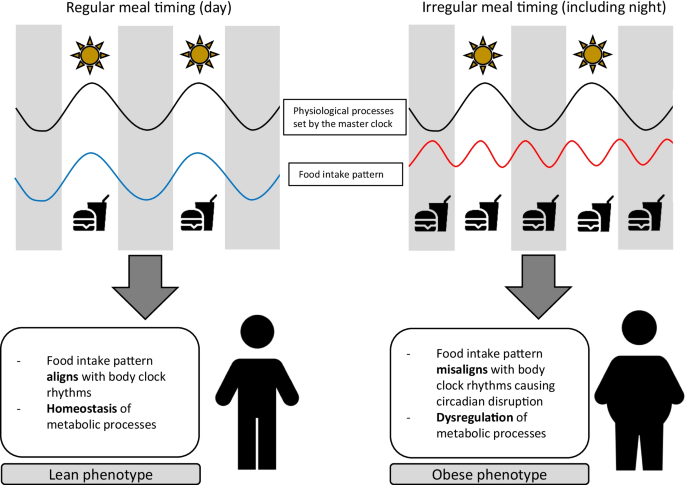
Meal timing plays a crucial role in keeping hormone levels steady. Hormones control many body functions like energy, mood, and hunger. Eating at regular times helps the body maintain hormone balance.
The timing of food intake affects how hormones rise and fall during the day. This balance supports good health and prevents problems like weight gain or fatigue.
Key Hormones Influenced By Eating Schedules
Insulin is a hormone that controls blood sugar after meals. Eating at consistent times helps insulin work better. Ghrelin signals hunger, rising before meals and dropping after eating. Regular meal times keep ghrelin levels steady, reducing overeating. Cortisol, the stress hormone, also changes with meal timing. Eating too late can increase cortisol, causing stress and poor sleep.
Circadian Rhythm And Hormonal Fluctuations
The circadian rhythm is the body’s natural 24-hour clock. It controls hormone release and body functions. Eating in sync with this clock helps hormones stay balanced. For example, insulin sensitivity is higher in the morning. Eating large meals late at night can disrupt this rhythm. This leads to hormonal imbalances, affecting metabolism and energy.
Following a regular meal schedule supports the circadian rhythm. This helps hormones work smoothly and improves overall health.
Impact On Metabolism And Energy
Meal timing plays a key role in how the body uses energy and burns calories. Eating at certain times affects the body’s natural rhythms. These rhythms control metabolism and energy levels throughout the day.
Choosing the right times to eat can help balance hormones. Balanced hormones improve how the body processes food and uses energy. This balance supports better health and daily performance.
Insulin Response And Blood Sugar Control
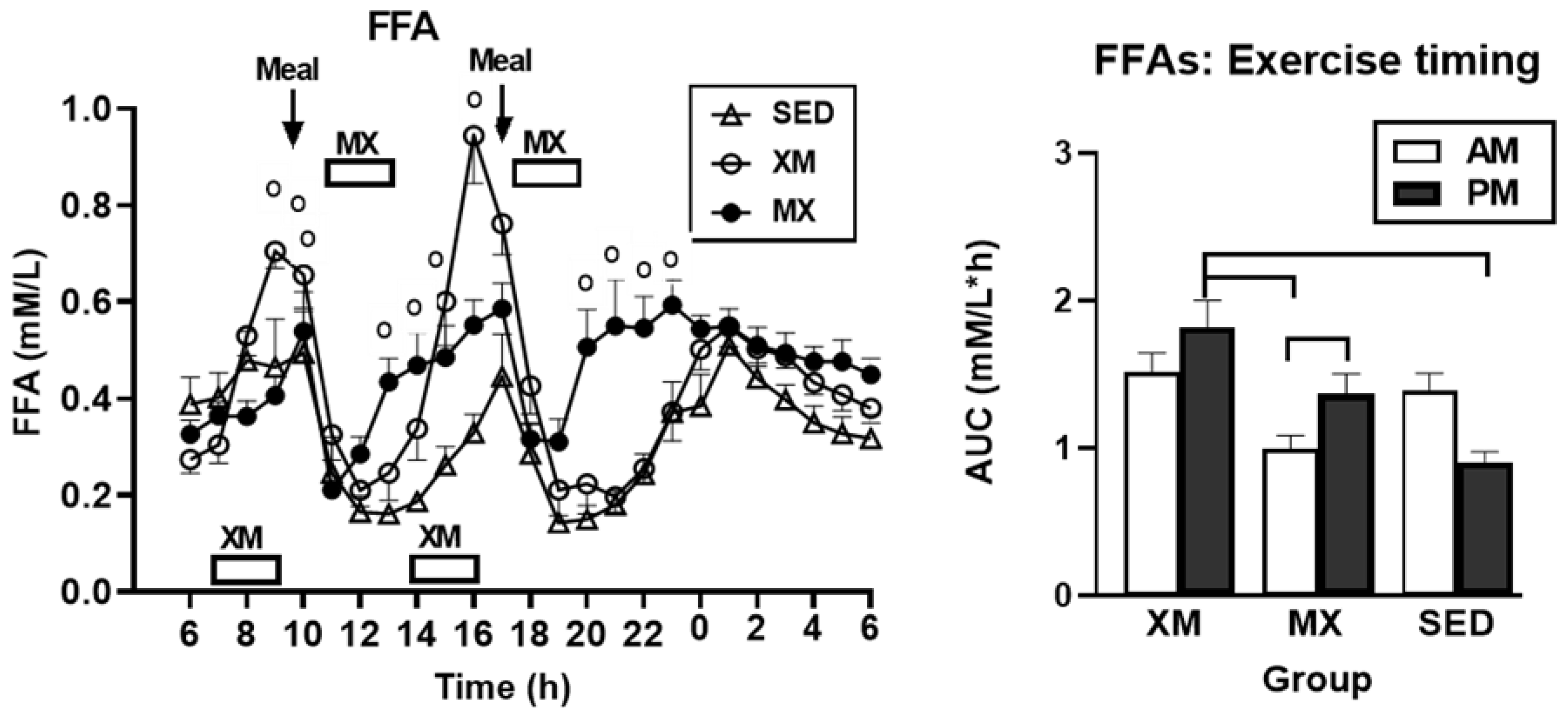
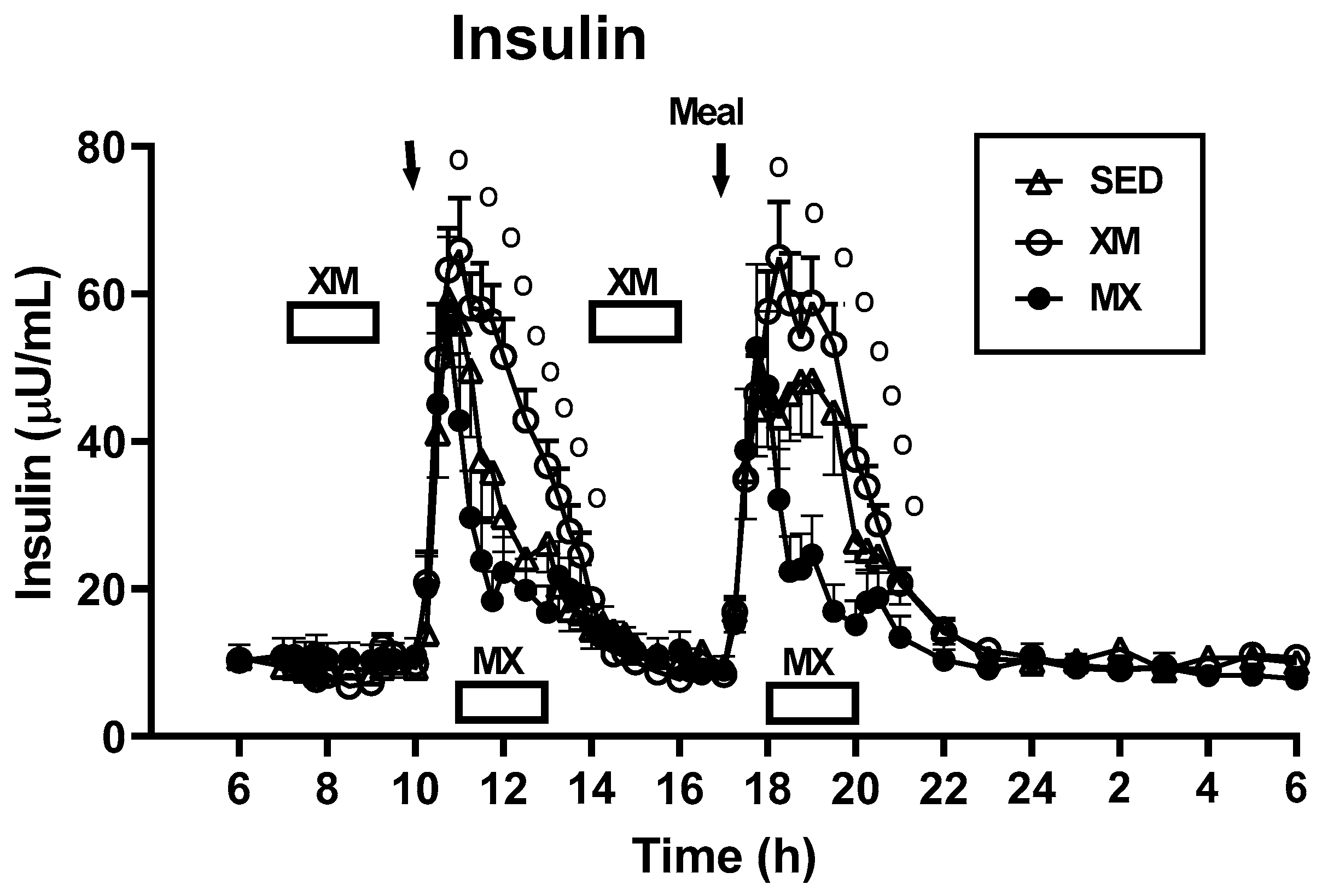
Insulin is a hormone that helps control blood sugar. Eating meals at regular times helps insulin work well. It keeps blood sugar levels steady. This prevents spikes and crashes that cause tiredness.
Skipping meals or eating late can disrupt insulin function. Poor insulin response leads to higher blood sugar. It makes the body store more fat and lowers energy.
Cortisol Levels And Stress Management
Cortisol is a hormone linked to stress and energy. It follows a daily cycle, rising in the morning and falling at night. Eating at consistent times helps keep cortisol balanced.
Irregular meal timing can raise cortisol levels. High cortisol causes stress, which lowers energy and slows metabolism. Balanced cortisol supports calmness and steady energy through the day.
Meal Timing Strategies
Meal timing plays a key role in how hormones work in the body. Choosing the right meal timing strategy can improve energy, mood, and metabolism. Different methods affect hormones like insulin, cortisol, and growth hormone in unique ways.
Understanding these strategies helps you pick what fits best for your body and lifestyle. Here are some common meal timing approaches and how they impact hormones.
Intermittent Fasting Benefits
Intermittent fasting limits eating to specific hours each day. This pattern lowers insulin levels and helps the body burn fat. Growth hormone levels rise during fasting, which supports muscle growth and repair. It also reduces inflammation and improves brain function. Fasting periods give the digestive system a break and balance hunger hormones like ghrelin and leptin.
Early Vs. Late Eating Patterns
Eating earlier in the day aligns with the body’s natural clock. Hormones like insulin work better in the morning, helping control blood sugar. Late eating can cause higher insulin levels and disrupt sleep hormones. This may lead to weight gain and low energy. Eating more calories earlier helps keep hormones balanced and supports better digestion.
Frequency And Portion Timing
How often and how much you eat affects hormone levels. Smaller, frequent meals keep blood sugar steady and prevent insulin spikes. Large meals can stress the digestive system and cause hormone imbalances. Spacing meals evenly supports cortisol rhythm, reducing stress and improving metabolism. It also helps control hunger hormones, lowering overeating risks.
Hormonal Effects On Appetite And Weight
Meal timing plays a key role in controlling hormones linked to hunger and weight. Hormones send signals that tell the body when to eat and when to stop. These signals affect appetite and energy use. Changing when you eat can change how these hormones work. This can help control hunger and support healthy weight.
Leptin And Ghrelin Regulation
Leptin and ghrelin are two main hormones that control appetite. Leptin tells the brain when the body has enough energy. It lowers hunger. Ghrelin, on the other hand, increases hunger. It signals the need to eat. Eating at regular times helps keep leptin and ghrelin balanced. This reduces feelings of hunger at odd times. Balanced hormones mean less chance of overeating.
Preventing Overeating Through Timing
Eating meals at consistent times trains the body’s hunger signals. It helps ghrelin peak before meals, so hunger feels natural. This reduces random cravings and snacking. Avoiding late-night meals stops leptin from dropping too low. Lower leptin often leads to poor food choices. Good meal timing supports steady hormone levels. This keeps appetite steady and helps with weight control.
Optimizing Sleep And Recovery
Good sleep and recovery are key for health and energy. Meal timing can affect how well the body rests and repairs itself. Eating at the right times can help balance hormones that control sleep.
Hormones work on a cycle. They send signals to prepare the body for sleep and waking. Food can influence these hormone signals, making sleep deeper or lighter.
Meal Timing’s Role In Melatonin Production
Melatonin is the hormone that helps the body know when to sleep. It rises as night comes. Eating late or heavy meals can reduce melatonin levels.
Eating earlier in the evening supports melatonin production. It tells the body that night is near. This helps you fall asleep faster and stay asleep longer.
Enhancing Restorative Sleep With Food Timing
Meals rich in protein and healthy fats support hormone balance. They keep blood sugar steady overnight. This prevents waking up during the night.
Avoid big meals close to bedtime. The body works hard to digest food, which can disturb sleep. Light snacks like nuts or yogurt are better choices if hungry.
Regular meal times help set your body clock. This consistency improves sleep quality and recovery. The body knows when to rest and repair itself.
Practical Tips For Peak Health
Balancing meal timing with hormone health can improve energy and mood. Small changes in eating habits lead to better hormone balance. Follow simple tips to create a routine that suits your body and lifestyle.
Creating A Personalized Eating Schedule
Start by noting when you feel most hungry during the day. Align your meals with your natural hunger signals. Avoid skipping breakfast to help regulate cortisol and insulin levels. Space meals evenly to prevent blood sugar spikes and dips. Try eating at similar times daily to support your body’s clock.
Combining Meal Timing With Nutrient Quality
Choose foods that fuel hormones properly. Include protein and healthy fats in every meal. Add fiber-rich vegetables to aid digestion and steady blood sugar. Avoid sugary snacks that cause hormone imbalance. Drink water regularly to help hormone transport and waste removal.
Frequently Asked Questions
How Does Meal Timing Impact Hormone Balance?
Meal timing influences hormone release like insulin, cortisol, and ghrelin. Eating at regular intervals helps maintain stable blood sugar and reduces stress hormone spikes. Proper timing supports appetite control and metabolic health, promoting balanced hormone levels throughout the day.
Can Meal Timing Affect Weight Loss Hormones?
Yes, meal timing affects hormones like insulin and leptin that regulate fat storage and hunger. Eating earlier and avoiding late-night meals improves insulin sensitivity and boosts fat-burning hormones. This supports effective weight loss and reduces the risk of metabolic disorders.
What Hormones Are Influenced By Breakfast Timing?
Eating breakfast triggers cortisol and insulin release, setting your metabolism for the day. Skipping breakfast can disrupt these hormones, leading to increased hunger and poor blood sugar control. Timely breakfast supports energy balance and hormone regulation throughout the morning.
Does Late-night Eating Disrupt Hormone Function?
Late-night eating can increase insulin and cortisol levels, disrupting sleep and metabolism. It may also raise ghrelin, the hunger hormone, causing overeating. Avoiding late meals helps maintain hormone balance and supports better sleep quality.
Conclusion
Meal timing plays a key role in balancing your hormones. Eating at regular times helps your body work better. Hormones like insulin and cortisol respond to when you eat. Skipping meals or eating late can cause problems. Small changes in meal timing can improve energy and mood.
Try to eat meals at consistent times each day. Your body will thank you with better hormone health. Simple habits bring lasting benefits to how you feel. Keep your meal schedule steady for a healthier you.