
As an Amazon Associate I earn from qualifying purchases.
Are you struggling to get a good night’s sleep even though you’re eating healthy? What if the key to better rest lies in what you eat, especially how much protein is on your plate?
High-protein diets are popular for weight loss and muscle gain, but did you know they might also affect your sleep? Understanding this connection could change the way you feel every morning. Keep reading to discover how your protein intake might be helping or hurting your sleep—and what simple changes you can make tonight for deeper, more restful sleep.

Quick Navigation
Role Of Protein In Sleep Quality
Protein plays an important role in how well you sleep. It provides building blocks for many body functions. Good sleep depends on many factors, and protein is one of them. Eating enough protein can help improve sleep quality. It can also affect how deep and restful your sleep is.
Proteins break down into amino acids. These amino acids help control sleep patterns. They influence the production of sleep-related chemicals in the brain. A diet rich in protein supports a healthy sleep cycle and better rest.
Amino Acids And Sleep Regulation
Amino acids are small parts of protein. Some amino acids help produce brain chemicals that control sleep. For example, tryptophan is an amino acid that helps make serotonin. Serotonin is important for feeling calm and sleepy. It also helps make melatonin, the hormone that controls your sleep-wake cycle.
Eating protein foods with tryptophan can support better sleep. Other amino acids help repair tissues during sleep. They also support brain functions needed for healthy rest. Without enough amino acids, sleep quality may suffer.
Protein’s Impact On Sleep Hormones
Protein affects hormones that control sleep and alertness. Melatonin is the main hormone that signals sleep time. Protein helps your body produce melatonin at night. Balanced protein intake can improve melatonin levels.
Protein also influences cortisol, the stress hormone. High cortisol can disturb sleep. Eating protein helps keep cortisol levels steady. This balance supports falling asleep faster and staying asleep longer.
Overall, protein intake helps regulate hormones that support restful sleep. It supports the body’s natural rhythms and repair processes during sleep.
Benefits Of High-protein Diets For Rest
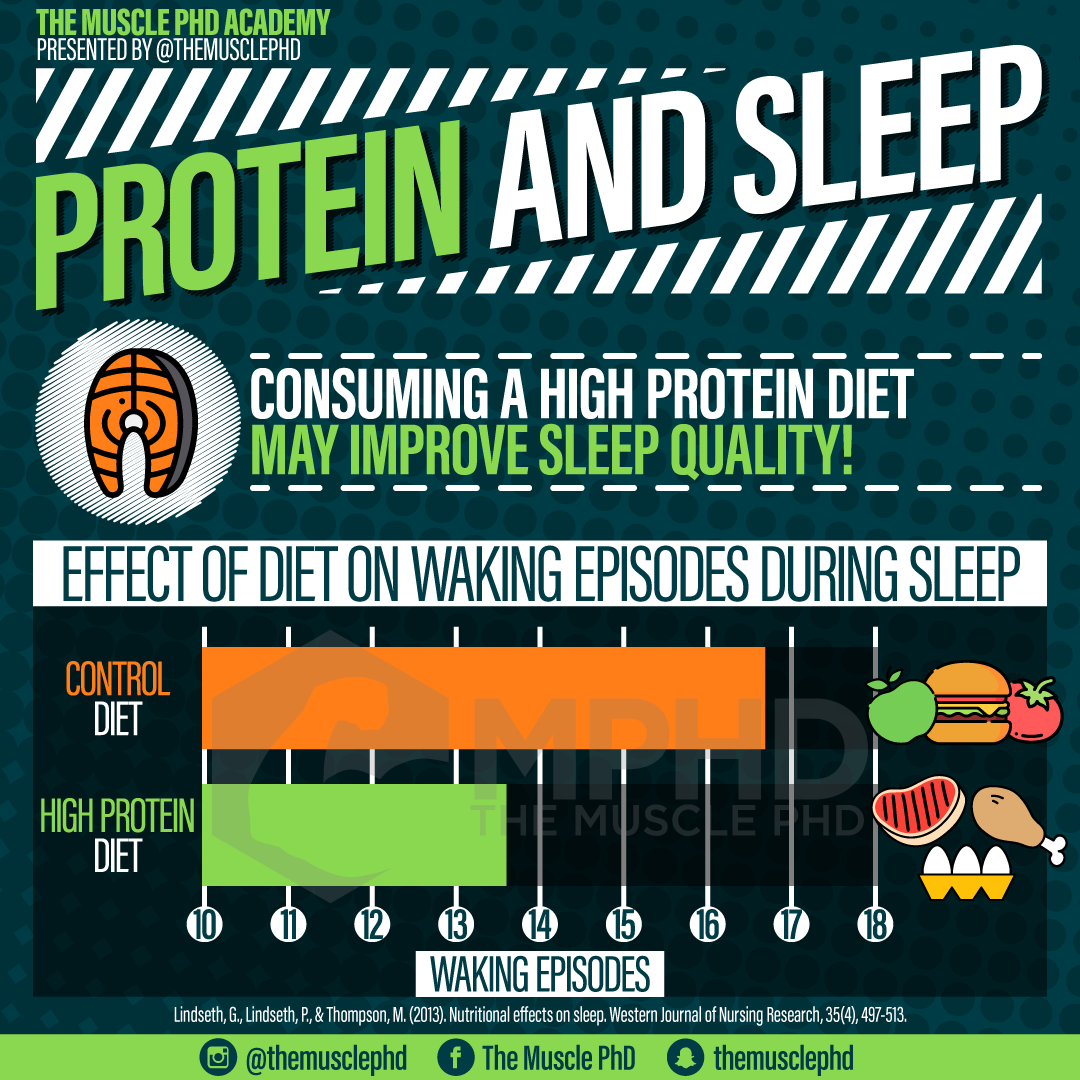
High-protein diets offer clear benefits for better rest. Protein helps the body repair and recharge during sleep. It also supports brain chemicals that promote relaxation. Eating enough protein can improve sleep quality and overall health.
Improved Sleep Duration
Protein-rich meals help you stay asleep longer. They reduce the chance of waking up early. Amino acids in protein aid the production of sleep-regulating hormones. This leads to more hours of restful sleep each night.
Enhanced Sleep Depth
Protein supports deeper stages of sleep. It helps the body enter slow-wave sleep, the most restful phase. Deeper sleep improves memory, mood, and physical recovery. High-protein diets can make sleep more refreshing and restorative.
Reduced Nighttime Awakenings
Eating protein can lower nighttime restlessness. It stabilizes blood sugar, preventing sudden wake-ups. Protein also boosts calming brain chemicals like GABA. This helps maintain continuous sleep through the night.
Best Protein Sources For Nighttime
Choosing the right protein sources at night can support better sleep and muscle repair. Protein helps keep blood sugar steady, which may reduce night waking. It also provides amino acids that promote relaxation and recovery.
Not all proteins are equal for nighttime meals. Some digest slowly, giving your body a steady supply of nutrients during sleep. Others are lighter and easier on your stomach, helping you avoid discomfort before bed.
Lean Meats And Poultry
Lean meats like chicken and turkey are excellent nighttime proteins. They are low in fat and rich in tryptophan. Tryptophan helps produce serotonin, which can improve sleep quality. These meats digest moderately, providing a steady nutrient flow overnight.
Plant-based Proteins
Plant proteins such as lentils, chickpeas, and tofu offer gentle digestion. They contain fiber and important minerals that support calmness. Combining different plants ensures you get all essential amino acids. These options suit those avoiding animal products or seeking lighter meals at night.
Dairy And Eggs
Dairy products like yogurt and cottage cheese contain casein protein. Casein digests slowly, feeding muscles through the night. Eggs provide high-quality protein and contain sleep-friendly nutrients like magnesium. Both are easy to prepare and can help promote restful sleep.
Timing Protein Intake For Better Sleep
Timing protein intake can affect your sleep quality. Eating protein at the right time helps your body relax and repair overnight. It supports muscle recovery and keeps hunger away. Planning your protein meals and snacks carefully improves your rest.
Evening Meals And Snacks
Choose protein sources that digest well in the evening. Lean meats, fish, eggs, or plant-based proteins work best. Pair protein with small amounts of carbs to boost sleep hormones. Avoid heavy or fatty meals that can cause discomfort. A balanced evening meal helps you fall asleep faster.
Small protein snacks before bed can also help. Greek yogurt, cottage cheese, or a handful of nuts are good options. These provide steady amino acids to support muscle repair. Avoid sugary or processed snacks that disrupt sleep.
Avoiding Late-night Overeating
Eating too much protein late at night can disturb sleep. Your body works hard to digest large meals. This can cause discomfort and keep you awake. Stick to moderate portions to prevent this problem.
Try to finish eating at least two hours before bedtime. This gives your body time to digest and relax. Overeating late can lead to restless nights and tired mornings. Plan your meals and snacks to avoid late-night hunger.
Potential Downsides Of Excess Protein
Eating a lot of protein can help build muscles and keep you full. Still, too much protein might cause some problems. It is important to know the potential downsides before making big changes to your diet. Some effects can affect your digestion and even your sleep quality.
Digestive Issues
High protein intake can strain your digestive system. It may cause constipation or diarrhea. Your body needs more water to process protein. Without enough water, digestion slows down. Some protein sources are hard to digest. This can lead to stomach cramps and discomfort. Balance is key to avoid these problems.
Impact On Sleep Disruption
Eating too much protein, especially late at night, might disturb sleep. Protein takes longer to digest than carbs or fats. This can keep your body active when it should rest. Some studies show high protein may reduce deep sleep. Poor sleep affects energy and mood the next day. Choosing the right amount and timing helps improve sleep.
Combining Protein With Other Sleep-promoting Nutrients
Combining protein with other nutrients can improve sleep quality. Protein alone helps build muscles and repair tissues. But some nutrients can work with protein to promote better rest. These nutrients affect brain chemicals and relax the body. Together, they support deeper and longer sleep.
Choosing the right mix of foods can make a difference. A balanced diet with protein and sleep-friendly nutrients helps the body wind down. It prepares the mind and body for a good night’s sleep.
Role Of Carbohydrates
Carbohydrates play a key role in sleep. They help increase serotonin, a brain chemical that calms the mind. Eating carbs with protein can boost serotonin levels faster. This effect helps you fall asleep more easily.
Simple carbs like fruits or whole grains work well. Avoid heavy carbs late at night to prevent discomfort. The right amount supports restful sleep without causing energy spikes.
Incorporating Magnesium And Zinc
Magnesium and zinc are minerals that aid sleep. Magnesium relaxes muscles and reduces stress. Zinc supports brain function and helps regulate sleep patterns. Both minerals can improve sleep quality when combined with protein.
Foods rich in magnesium include nuts, seeds, and leafy greens. Zinc is found in meat, dairy, and beans. Adding these minerals to your diet can make protein’s benefits stronger for sleep.
Tips For Crafting A Sleep-friendly High-protein Diet
Eating a high-protein diet can support muscle growth and recovery. It also affects sleep quality. Choosing the right foods and timing meals helps improve rest. Small changes in meal plans can reduce sleep problems. The following tips guide you to create a sleep-friendly high-protein diet.
Meal Planning Strategies
Plan meals with protein sources that digest slowly. Examples include cottage cheese, eggs, and nuts. These help keep you full without causing discomfort at night. Avoid heavy meals right before bed to prevent indigestion. Spread protein intake evenly throughout the day. This supports muscle repair and avoids spikes in energy. Include light snacks with protein if you feel hungry late. Staying hydrated also helps improve sleep quality.
Balancing Macronutrients
Combine proteins with healthy fats and carbohydrates in each meal. Carbs help increase serotonin, which promotes relaxation. Good sources are whole grains, fruits, and vegetables. Healthy fats from avocado or olive oil support brain health. Avoid too much protein alone, as it may disrupt sleep. Balance helps maintain steady blood sugar levels. This prevents waking up during the night. Proper balance also aids digestion and overall comfort.

Frequently Asked Questions
How Does A High-protein Diet Affect Sleep Quality?
A high-protein diet can improve sleep by stabilizing blood sugar and reducing hunger. It supports muscle repair and hormone balance, promoting deeper rest. However, excessive protein close to bedtime may disrupt sleep for some people. Moderation and timing are key for optimal sleep benefits.
Can Protein Intake Influence Sleep Duration?
Yes, adequate protein intake helps regulate sleep duration. Protein promotes production of sleep-related hormones like serotonin and melatonin. This can lead to longer, more restful sleep cycles. Insufficient protein might cause restless nights or shorter sleep periods.
What Types Of Protein Improve Sleep The Most?
Lean proteins such as chicken, fish, eggs, and dairy are best for sleep. They contain tryptophan, an amino acid that boosts sleep hormones. Plant-based proteins like beans and lentils also support sleep but may digest slower, so timing matters.
Is It Better To Eat Protein Before Bed For Sleep?
Eating moderate protein before bed can aid sleep by preventing hunger and supporting muscle repair. Avoid heavy or fatty protein meals late at night to prevent digestion issues. A light protein snack 1-2 hours before sleep is optimal.
Conclusion
High-protein diets can affect your sleep in different ways. Protein helps repair your body and keeps you full longer. Eating the right amount of protein may improve your sleep quality. Too much protein, though, might make it harder to fall asleep.
Balance is key for both diet and rest. Pay attention to how your body reacts. Healthy sleep supports overall well-being and energy. Choose foods that help you feel calm and rested. Small changes in your diet can make a big difference in sleep.
Try to find what works best for you.