
As an Amazon Associate I earn from qualifying purchases.
Are you struggling to get a good night’s sleep? You might have heard about melatonin as a natural way to rest better.
But have you wondered if it’s better to get melatonin from the food you eat or from supplements? Knowing the difference can change how you approach your sleep routine—and your overall health. You’ll discover the real benefits and risks of both options.
By the end, you’ll be ready to make the best choice for your body and your nights. Keep reading to unlock the secrets of melatonin and finally wake up feeling refreshed.
Quick Navigation
Sources Of Melatonin In Food
Melatonin is a natural hormone that helps regulate sleep. Many people take supplements to increase melatonin levels. Yet, certain foods also contain melatonin naturally. Eating these foods can support your body’s sleep cycle. Understanding which foods have melatonin helps you make better choices for rest and health.
Not all foods have the same amount of melatonin. Some contain higher levels and can boost your melatonin intake. Others have smaller amounts but still add value to your diet. Knowing these sources can guide your meals for better sleep support.
Melatonin-rich Foods
Some foods have higher melatonin content than others. Tart cherries and tart cherry juice are among the top natural sources. Walnuts and almonds also contain good melatonin amounts. Other fruits like grapes and strawberries have moderate levels.
Vegetables such as tomatoes and peppers include melatonin too. Grains like rice and oats provide a steady, small dose. Eggs and fish have melatonin but in lower quantities. Including these foods daily may help increase melatonin naturally.
Natural Melatonin Levels
Melatonin levels in food vary by type and ripeness. Ripe fruits usually have more melatonin than unripe ones. The way food is stored and processed can reduce melatonin content. Fresh, whole foods tend to keep melatonin better than canned or cooked items.
Season and growing conditions also affect melatonin in plants. Organic and locally grown foods might contain higher levels. Eating a variety of melatonin-rich foods ensures a steady supply. This natural intake supports your body’s sleep rhythm gently and safely.
Melatonin Supplements Explained
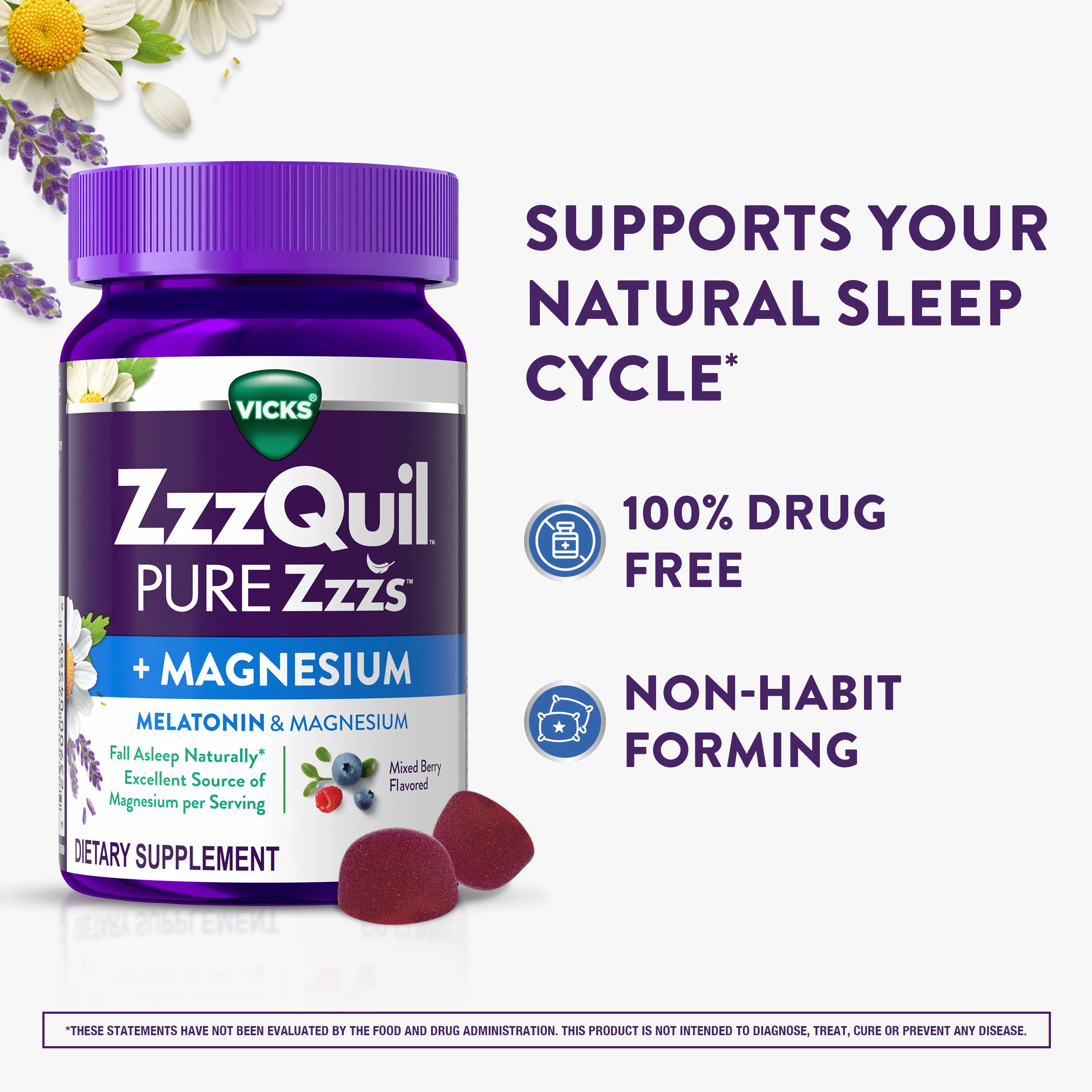
Melatonin supplements offer a simple way to support sleep. They contain the hormone melatonin, which your body makes naturally. Supplements help adjust your sleep cycle. Many people use them for jet lag or trouble falling asleep. Understanding these supplements can help you choose the right one.
They come in different forms and doses. Each type works slightly differently in the body. Knowing these options makes it easier to find what fits your needs best.
Types Of Supplements
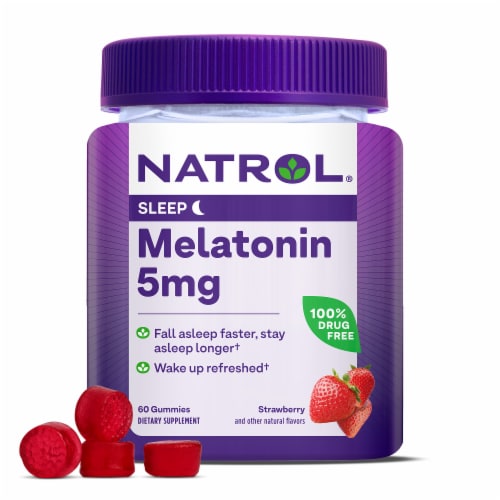
Melatonin supplements are available as pills, gummies, and liquids. Pills are the most common and easy to take. Gummies taste better and are good for those who dislike swallowing pills. Liquid forms absorb quickly and allow flexible dosing. Some supplements have extra ingredients like vitamins or herbs to help sleep.
Dosage Variations
Dosages range from 0.5 mg to 10 mg or more. Lower doses often work well for sleep support. Higher doses might be used for specific sleep disorders but can cause side effects. Start with a small dose to see how your body reacts. Always follow package instructions or a doctor’s advice. Taking too much melatonin can cause dizziness or daytime sleepiness.
Absorption And Effectiveness
Absorption and effectiveness play key roles in how melatonin works for sleep support. The body needs to absorb melatonin properly to feel its effects. Differences exist between melatonin from food and supplements. Understanding these can help decide the best source for better sleep.
Bioavailability From Food
Melatonin in food is usually in small amounts. The body absorbs melatonin from natural foods slowly. Foods like cherries, nuts, and grains contain melatonin. These foods also have other nutrients that help the body use melatonin. The slow release from food may support steady melatonin levels over time.
Supplement Absorption Rates
Melatonin supplements provide higher doses than food. The body absorbs supplements faster than food sources. This rapid absorption can lead to a quick sleep onset. Some supplements use special forms to improve absorption. Effects may be stronger but shorter compared to food-based melatonin.

Safety Considerations
Understanding the safety of melatonin is important before adding it to your routine. Melatonin from food is generally safe and well-tolerated. Supplements, however, can have different effects depending on the dose and individual health. Knowing the risks helps you make better choices.
Side Effects Of Supplements
Melatonin supplements can cause side effects. Some people may feel sleepy during the day. Others might experience headaches or dizziness. Stomach upset is also possible. These side effects usually go away after stopping use. Always start with a low dose to see how your body reacts.
Risks Of Excess Intake
Taking too much melatonin can lead to problems. High doses may disrupt your natural sleep cycle. It can also cause mood changes like irritability or anxiety. Long-term use of large amounts is not well studied. Avoid using melatonin supplements without advice from a healthcare provider.
Benefits Of Food-based Melatonin
Melatonin is a natural hormone that helps regulate sleep. Eating foods with melatonin can offer benefits beyond just better sleep. Food-based melatonin works gently with your body. It also brings extra nutrients that support overall health. Understanding these benefits helps you make smart choices for better rest and wellness.
Additional Nutrients
Foods rich in melatonin often contain vitamins and minerals. These nutrients help your body work well in many ways. For example, fruits like cherries have antioxidants that protect cells. Nuts provide healthy fats that support brain health. These extra nutrients improve the quality of sleep naturally.
Long-term Health Impact
Eating melatonin-rich foods regularly may support long-term health. Natural melatonin helps balance your body’s internal clock. This balance can reduce stress and improve mood over time. Whole foods also promote better digestion and heart health. Choosing food-based melatonin supports overall well-being for years ahead.
Who Should Consider Supplements
Many people wonder if they should get melatonin from food or take supplements. Some may not get enough melatonin naturally. Others need more to help with sleep issues. Melatonin supplements can be useful for certain groups. Knowing who benefits most helps make a smart choice.
Sleep Disorders
People with sleep disorders may need melatonin supplements. Conditions like insomnia or delayed sleep phase syndrome affect the body’s clock. Supplements can help reset their sleep cycle. They may fall asleep faster and sleep better. Food alone might not provide enough melatonin in these cases.
Medical Recommendations
Doctors sometimes suggest melatonin supplements for specific health needs. They guide patients on the right dose and timing. People with shift work sleep disorder or jet lag can benefit. Some with anxiety or certain neurological conditions might also use melatonin. Following medical advice ensures safe and effective use.
Choosing Between Food And Supplements
Choosing between melatonin from food and supplements depends on your unique needs and daily habits. Both options have benefits. Foods rich in melatonin offer a natural boost without strong effects. Supplements provide a controlled dose, which some may need for better sleep.
Personal Needs
Consider your sleep challenges. Mild sleep problems may improve with melatonin-rich foods. Those with severe issues might need supplements for stronger support. Age and health conditions also play a role. Consult a doctor before starting supplements. Your body’s response varies, so choose what feels right.
Lifestyle Factors
Daily routines impact your choice. Busy schedules can make supplements more convenient. Foods containing melatonin fit well with balanced meals and natural nutrition. Travel or shift work may require supplements to adjust sleep cycles quickly. Think about your habits and how each option fits your life.
Frequently Asked Questions
What Are The Benefits Of Melatonin From Food?
Melatonin from food helps regulate sleep naturally. It provides antioxidants and supports overall health without side effects. Foods like cherries and walnuts contain melatonin, promoting better sleep quality and circadian rhythm balance.
How Effective Are Melatonin Supplements Compared To Food?
Melatonin supplements offer a higher, controlled dose for quick sleep aid. Food sources have lower melatonin but provide additional nutrients. Supplements act faster but should be used short-term and under guidance.
Can Melatonin Supplements Cause Side Effects?
Yes, melatonin supplements can cause dizziness, headaches, or daytime drowsiness. Long-term use may affect hormone balance. Consult a doctor before starting supplements, especially if on medication or pregnant.
Which Foods Naturally Contain The Most Melatonin?
Cherries, walnuts, tomatoes, and oats are rich melatonin sources. These foods help improve sleep patterns naturally. Including them in your diet can mildly boost melatonin levels without supplements.
Conclusion
Melatonin from food offers a gentle way to support sleep. Supplements provide a stronger dose for those who need it. Both have benefits and possible drawbacks. Choosing depends on your body’s needs and lifestyle. Always talk to a doctor before starting supplements.
Eating melatonin-rich foods can improve overall health too. Balance and care matter most for good sleep habits. Small steps can lead to better rest at night.