
As an Amazon Associate I earn from qualifying purchases.
Have you ever woken up feeling stiff or sore, wondering if your body was truly resting well? How your body aligns during sleep plays a bigger role in your health and comfort than you might think.
When your spine, neck, and joints are properly positioned, you wake up refreshed and pain-free. But if your alignment is off, it can lead to discomfort, restless nights, and even long-term issues. Keep reading to discover how your body naturally adjusts while you sleep and simple steps you can take to support better alignment every night.
Your best sleep starts with understanding what happens to your body when you close your eyes.
Quick Navigation
Importance Of Sleep Alignment
Sleep alignment means keeping your body in a natural position during sleep. It helps your muscles, joints, and spine rest properly. Good alignment stops strain and pain. It supports your body’s natural curves and balance.
Proper sleep alignment affects more than comfort. It plays a key role in your health and well-being. The way your body aligns at night impacts many parts of your life.
Impact On Overall Health
Proper body alignment reduces pressure on your spine and muscles. This lowers the risk of back and neck pain. It also helps improve blood flow. Better circulation means organs work well and heal faster.
Good alignment can reduce headaches caused by muscle tension. It helps keep your nervous system calm. A calm nervous system means less stress and better mood.
Connection To Sleep Quality
When your body aligns well, you feel more comfortable. Comfort helps you fall asleep faster. It also keeps you from waking up often during the night.
Good alignment supports deeper sleep stages. Deep sleep is when your body repairs itself. It helps your brain process memories and emotions better.
Bad alignment can cause tossing and turning. This breaks your sleep cycle and leaves you tired. Keeping the right sleep posture improves rest and energy.
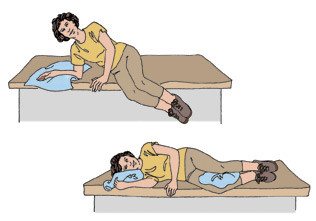
Key Body Positions During Sleep
Sleep involves different body positions that affect comfort and health. How the body aligns during sleep helps reduce pain and supports rest. Each position changes the way pressure spreads across muscles and joints. Knowing key sleep positions can improve your sleep quality.
Choosing the right position can ease breathing and protect your spine. Some positions help prevent wrinkles and reduce acid reflux. Others might cause stiffness or discomfort over time. Understanding these positions guides better sleep habits.
Back Sleeping Benefits
Back sleeping keeps the head, neck, and spine in a neutral position. This alignment reduces pressure and lowers the risk of pain. It helps avoid wrinkles by keeping the face free from pillow contact. This position can also reduce acid reflux if the head is slightly elevated.
Back sleeping supports even weight distribution. It helps maintain natural curves in the spine. This position allows muscles to relax fully. Breathing tends to be easier, which may improve sleep quality.
Side Sleeping Advantages
Side sleeping is popular and offers many health benefits. It reduces snoring and sleep apnea symptoms by keeping airways open. This position also helps reduce acid reflux. It supports spinal alignment, especially with a pillow between the knees.
Side sleeping can relieve back and neck pain. It is safer for pregnant women and promotes better circulation. This position helps prevent pressure on internal organs. It encourages deep, restful sleep for many people.
Stomach Sleeping Drawbacks
Stomach sleeping often causes strain on the neck and spine. It forces the head to turn, which may lead to stiffness. This position can cause lower back pain due to poor spinal alignment. It also puts pressure on muscles and joints.
Stomach sleeping may worsen wrinkles by pressing the face against the pillow. It can restrict breathing and reduce oxygen flow. Many experts advise avoiding this position to protect the body’s natural alignment.
Spinal Alignment And Sleep
Spinal alignment is key to good sleep. The way your spine rests affects how well you feel the next day. Proper alignment means your spine keeps its natural curves. This helps your body relax and heal during sleep.
Role Of The Spine In Rest
The spine supports your entire body. It protects the nerves that send signals to muscles. While you sleep, the spine should stay straight but curved naturally. This balance helps muscles and joints rest properly. Good spinal position improves blood flow and reduces stress on the body.
Common Misalignments
Many people sleep with poor spinal positions. Twisting or bending the spine too much can cause misalignments. Sleeping on a mattress that is too soft or too hard often leads to poor posture. Using the wrong pillow height also forces the neck into unnatural positions. These misalignments strain muscles and joints over time.
Effects On Pain And Discomfort
Poor spinal alignment causes back and neck pain. It can create stiffness and discomfort in the morning. Nerves may become pinched, causing sharp or dull pain. Proper alignment reduces muscle tension and improves overall comfort. Sleeping well with a healthy spine supports daily movement and energy.

Choosing The Right Mattress And Pillow
Choosing the right mattress and pillow plays a key role in how your body aligns during sleep. The right support keeps your spine straight. It helps reduce pain and stiffness. You wake up feeling refreshed and ready for the day.
Mattress and pillow choices depend on your sleep style and body needs. Comfort and alignment go hand in hand. A good setup supports your neck, back, and hips properly. It lets your muscles relax fully through the night.
Support And Firmness Levels
Mattresses come in soft, medium, and firm options. A mattress that is too soft may cause your body to sink. This leads to poor spine alignment. Too firm can create pressure points, especially around hips and shoulders. Medium-firm mattresses offer balanced support for most sleepers. The mattress should support your body weight evenly. It keeps the natural curve of your spine intact.
Pillow Types For Neck Alignment
Pillows help keep your neck aligned with your spine. Memory foam pillows mold to the shape of your neck. They offer consistent support. Feather pillows are soft and adjustable but may lose shape. Contour pillows have a curved design for neck support. Side sleepers need thicker pillows to fill the space between neck and mattress. Back sleepers require thinner pillows to avoid pushing the head forward.
Adjusting For Personal Comfort
Everyone’s body is different. What works for one may not work for another. Try different pillow heights and mattress firmness to find your best fit. Pay attention to how you feel after waking up. Change your setup if you feel pain or stiffness. Small adjustments can improve your sleep quality and body alignment greatly.
Tips To Improve Sleep Posture
Good sleep posture helps your body rest well. It keeps your spine straight and eases muscle tension. Simple changes can improve how you sleep and how you feel in the morning. Here are practical tips to help you align your body better during sleep.
Position Adjustments
Try sleeping on your back with a pillow under your knees. This position keeps the natural curve of your spine. Side sleeping works too, but place a pillow between your knees. Avoid sleeping on your stomach as it strains your neck and back.
Using Props For Support
Pillows and cushions can help hold your body in the right place. Use a firm pillow for your head that supports your neck. A body pillow can support your hips and knees. These props reduce pressure points and keep your body balanced.
Habits To Avoid
Avoid using too many pillows or very soft mattresses. They can cause your body to sink or twist. Do not sleep with your arms above your head for long. This can cause shoulder pain and stiffness in the morning.
How Sleep Affects Daytime Well-being
Sleep plays a key role in how well we feel during the day. It helps the body and mind work at their best. Good sleep supports many parts of our daily life. From energy to mood, sleep sets the tone for the whole day.
Understanding how sleep affects daytime well-being shows why rest matters. It impacts energy levels, mood, and the body’s ability to heal. Let’s explore these effects in detail.
Energy And Focus
Sleep recharges the body’s energy stores. Without enough sleep, energy drops fast. The brain also needs rest to focus well. Poor sleep leads to trouble paying attention. Tasks feel harder and slower. Good sleep improves alertness and sharpens thinking.
Mood Regulation
Sleep helps balance emotions. Lack of sleep can make people feel irritable. Stress feels stronger after a bad night’s rest. Regular sleep supports calmness and patience. It reduces the risk of feeling anxious or sad. A well-rested mind handles emotions better.
Physical Recovery
During sleep, the body repairs itself. Muscles heal and grow stronger. Tissues regenerate and inflammation decreases. Sleep also supports the immune system. Without enough rest, the body struggles to recover. Good sleep speeds up healing and keeps the body healthy.

Frequently Asked Questions
How Does The Body Naturally Align During Sleep?
The body aligns by adjusting the spine, hips, and neck for comfort. Proper alignment reduces strain and promotes restful sleep. This natural positioning supports muscle relaxation and spinal health throughout the night.
Why Is Spinal Alignment Important During Sleep?
Spinal alignment prevents back pain and improves posture. It ensures even weight distribution and reduces pressure on nerves. Good alignment also helps maintain the natural curve of the spine during rest.
What Sleep Positions Promote Proper Body Alignment?
Back and side sleeping positions best support body alignment. These positions maintain spine neutrality and reduce muscle tension. Avoiding stomach sleeping helps prevent unnatural spinal twists and discomfort.
How Does Pillow Choice Affect Sleep Alignment?
A supportive pillow maintains neck and head alignment with the spine. It prevents strain and helps keep airways open. Choosing the right pillow thickness is essential for spinal balance.
Conclusion
Good sleep starts with how your body aligns at night. Proper alignment helps reduce pain and improves rest. It allows your muscles and joints to relax fully. Sleeping in the right position supports your spine naturally. This way, your body repairs itself while you dream.
Paying attention to your posture can change how you feel each day. Small changes in sleeping habits make a big difference. Try to keep your body comfortable and well-supported. This helps you wake up feeling fresh and ready to go.
Sleep well, and your body will thank you.