
As an Amazon Associate I earn from qualifying purchases.
Do you often wake up feeling stiff or tired, even after a full night’s sleep? If you sleep on your back, you might be dealing with some hidden problems that affect your rest and health.
Back sleeping seems comfortable and healthy, but it can bring issues you might not expect. You’ll discover the most common problems linked to back sleeping and simple ways to fix them. Keep reading to learn how to make your nights truly restful and wake up feeling refreshed every day.
Quick Navigation
Back Sleeping Challenges
Back sleeping offers many benefits, but it also brings some challenges. These problems can affect your comfort and overall sleep quality. Understanding these issues helps you make better choices about your sleeping habits.
Neck And Back Pain
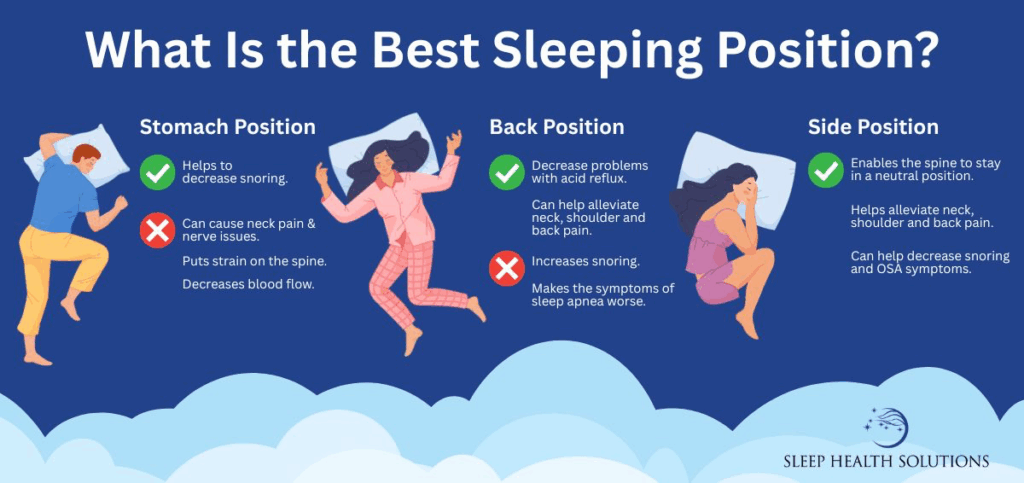
Sleeping on your back can cause neck and back pain. Poor pillow support strains your neck muscles. A mattress that is too soft or too hard can hurt your spine. These issues lead to stiffness and soreness in the morning.
Snoring And Sleep Apnea
Back sleeping often makes snoring worse. The tongue and soft tissues fall back in the throat. This blocks the airway and causes breathing pauses. People with sleep apnea may find symptoms increase while on their back.
Acid Reflux Issues
Lying flat on your back can worsen acid reflux. Stomach acid may flow back into the esophagus more easily. This causes heartburn and discomfort during sleep. Elevating the head slightly can reduce this problem.
Poor Circulation
Back sleeping can reduce blood flow to some body parts. It may cause numbness or tingling in the arms and legs. Pressure on certain nerves and blood vessels is often the reason. Changing positions during the night can help improve circulation.

Choosing The Right Pillow
Choosing the right pillow is key for back sleepers. The wrong pillow can cause neck pain and poor sleep. A good pillow keeps your head and neck in a natural position. It supports the curve of your neck without pushing your head too far forward or letting it fall back.
Supportive Pillow Types
Memory foam pillows mold to the shape of your head and neck. They offer steady support and reduce pressure points. Latex pillows are firm and bounce back quickly. They keep your neck aligned and stay cool through the night. Feather pillows are soft and adjustable. They provide gentle support but may need frequent fluffing to maintain shape.
Optimal Pillow Height
The pillow should fill the space between your neck and mattress. A pillow too high bends the neck forward. A pillow too low lets the head drop backward. For most back sleepers, a medium height pillow works best. It keeps the neck aligned with the spine for comfort and support.
Material Considerations
Choose pillow materials that suit your comfort and health needs. Hypoallergenic pillows reduce allergy risks. Breathable fabrics prevent heat build-up. Look for pillows with washable covers. Clean pillows help maintain good hygiene and sleep quality. Select materials that feel good against your skin for restful sleep.
Mattress Selection Tips
Choosing the right mattress is key for back sleepers. It helps reduce common problems like back pain and poor sleep quality.
A mattress that supports the spine and cushions pressure points improves rest. Understanding mattress features guides better choices.
Firmness Levels
Back sleepers need medium-firm mattresses. Too soft causes the body to sink. Too firm creates pressure on the back.
Medium-firm mattresses keep the spine aligned. They provide enough support without stiffness. This balance reduces discomfort and pain.
Pressure Relief Features
Pressure relief is important for comfort. Mattresses with memory foam or latex adapt to body curves. They spread weight evenly.
This reduces pressure on shoulders and hips. Less pressure means less tossing and turning. Sleep becomes deeper and more restful.
Durability And Comfort
Durable mattresses keep their shape longer. Avoid mattresses that sag quickly. Sagging causes poor spine alignment.
Comfort lasts with high-quality materials. Look for layers that support and cushion well. This ensures lasting comfort and health.
Sleep Position Adjustments
Adjusting your sleep position can reduce common problems linked to back sleeping. Small changes help improve comfort and support. These tweaks can ease pain and improve breathing during the night.
Try different methods to find what works best for your body. Focus on simple adjustments that keep your spine aligned and reduce pressure points.
Elevating The Head
Raising your head slightly helps prevent snoring and acid reflux. Use a pillow that lifts your head about 4 to 6 inches. Avoid thick pillows that bend your neck unnaturally. Elevation helps keep airways open and eases breathing.
Leg Support Techniques
Placing a pillow under your knees supports your lower back. This position reduces strain on your spine. You can also try placing a rolled towel under your calves. These methods help keep your spine neutral and reduce discomfort.
Avoiding Flat Back Sleeping
Sleeping flat on your back can cause lower back pain. It puts pressure on your spine and muscles. Slightly elevating your upper body or knees is better. Avoid lying completely flat for long periods. This simple change can improve your sleep quality.
Lifestyle Changes For Better Sleep
Improving sleep quality often starts with small lifestyle changes. These changes help your body rest better and reduce common problems with back sleeping. Simple habits can make a big difference in how you feel each morning.
Focus on routines that support deep, restful sleep. Pay attention to exercise, diet, and hydration. These factors affect your sleep more than you might think.
Establishing Sleep Routine
Go to bed and wake up at the same time every day. This helps your body set a natural clock. Avoid using screens at least 30 minutes before sleep. Create a calm, dark, and quiet environment in your bedroom. These steps improve sleep quality and reduce tossing and turning.
Exercise And Stretching
Regular exercise helps your muscles relax and reduces back pain. Stretching before bed can ease tension in your back. Avoid intense workouts close to bedtime. Gentle yoga or walking can prepare your body for rest. Consistency in exercise supports better sleep patterns.
Diet And Hydration Effects
Avoid heavy meals before bedtime to prevent discomfort. Limit caffeine and sugary drinks in the afternoon. Drink enough water throughout the day but reduce intake near bedtime. Proper hydration prevents cramps and dryness. Eating balanced meals with sleep-friendly foods can promote relaxation.

When To See A Specialist
Knowing when to see a specialist is important for back sleepers. Some problems need expert care to avoid long-term harm. Watch for signs that your body is not coping well with back sleeping.
Persistent Pain Symptoms
Constant pain in the back, neck, or shoulders is a red flag. If pain lasts more than a few weeks, it needs a doctor’s check. Specialists can find the cause and suggest better sleeping positions or treatments.
Breathing Difficulties
Breathing problems during sleep are serious. Snoring loudly or gasping for air might indicate sleep apnea. A specialist can test and treat these issues to keep your breathing safe.
Sleep Disorder Indicators
Feeling tired during the day despite full sleep is a warning. Restless legs, frequent waking, or strange sleep behaviors also need attention. Sleep experts help diagnose and fix these disorders for better rest.
Frequently Asked Questions
What Are Common Issues With Sleeping On Your Back?
Sleeping on your back can cause snoring, sleep apnea, and lower back pain. It may also increase acid reflux and worsen certain spinal conditions. Proper pillow support and mattress choice can help reduce these problems.
Why Does Back Sleeping Cause Neck Pain?
Back sleeping may strain the neck if the pillow doesn’t support its natural curve. Using a pillow that maintains neck alignment helps prevent stiffness and discomfort during sleep.
Can Back Sleeping Worsen Sleep Apnea Symptoms?
Yes, back sleeping can worsen sleep apnea by causing the tongue and soft tissues to block the airway. Side sleeping is often recommended to reduce apnea episodes and improve breathing.
How Does Back Sleeping Affect Lower Back Pain?
Back sleeping can increase pressure on the lower back if the mattress is too soft or too firm. Placing a pillow under the knees can help maintain spinal alignment and relieve pain.
Conclusion
Back sleeping can cause common problems like snoring and back pain. Many people find it hard to keep their spine aligned in this position. Breathing may also feel difficult for some while lying on their back. Small changes, like using the right pillow, can help a lot.
Knowing these issues helps you make better sleep choices. Good sleep matters for health and energy every day. Try to notice what works best for your body. Sleep well and feel better tomorrow.