
As an Amazon Associate I earn from qualifying purchases.
Have you ever thought that poor sleep just makes you feel tired? What if it affects much more than your energy levels?
You might be surprised to learn how deep the impact of bad sleep really goes. From your mood to your memory, and even your overall health, poor sleep could be quietly changing your life in ways you never expected. Keep reading to discover what’s really happening when you don’t get enough rest—and why fixing your sleep might be the best thing you do for yourself today.

Quick Navigation
Impact On Mental Health
Poor sleep affects more than just energy levels. It deeply impacts mental health and well-being. Lack of restful sleep can change how emotions are managed and how the brain functions daily. Understanding these effects helps highlight why good sleep is essential for mental stability.
Mood Swings And Irritability
Sleep loss makes emotions harder to control. People often feel more irritable and quick to anger. Small problems can seem much bigger. This can strain relationships and cause stress. Regular poor sleep increases mood swings and emotional sensitivity.
Increased Anxiety And Depression Risks
Insufficient sleep raises the risk of anxiety and depression. The brain struggles to regulate stress hormones properly. Anxiety levels can rise, causing restlessness and worry. Depression symptoms may worsen or develop over time. Sleep helps balance mood and reduce these risks.
Cognitive Decline And Memory Issues
Poor sleep hurts brain function and memory. Concentration and decision-making become difficult. Learning new information takes more effort. Long-term sleep problems may lead to cognitive decline. Restful sleep supports brain health and memory retention.
Physical Health Consequences
Poor sleep affects more than just how tired you feel. It can harm your body in many ways. Lack of rest weakens your health over time. Understanding these effects helps you see why good sleep matters.
Weakened Immune System
Sleep helps your body fight off germs and infections. Without enough rest, your immune system becomes weak. You catch colds and illnesses more often. Healing takes longer. The body loses its power to protect itself.
Heart Disease And Blood Pressure
Not sleeping well raises your risk of heart problems. Blood pressure can stay high for long periods. This stresses your heart and blood vessels. Over time, it may lead to heart disease or stroke. Rest is crucial for a healthy heart.
Weight Gain And Metabolism Problems
Poor sleep disrupts your metabolism and hormones. It can cause you to feel hungrier and eat more. Your body stores fat more easily. Weight gain becomes a common issue. Sleep supports healthy metabolism and energy use.
Effects On Daily Performance
Poor sleep affects more than just how tired you feel. It changes how you perform every day. Tasks become harder. Simple decisions take longer. This makes daily life challenging and stressful.
Reduced Concentration And Focus
Sleep loss makes it hard to concentrate on tasks. Your mind wanders easily. You miss important details. This slows down learning and problem-solving. Focus fades quickly, leading to mistakes.
Lowered Productivity And Creativity
Without enough rest, work output drops. Tasks take longer to finish. Creativity suffers too. New ideas do not come easily. This affects work quality and innovation.
Higher Accident Risks
Sleep deprivation increases the chance of accidents. Reaction times slow down. Judgment becomes poor. This is dangerous while driving or using machines. Safety risks rise sharply without good sleep.
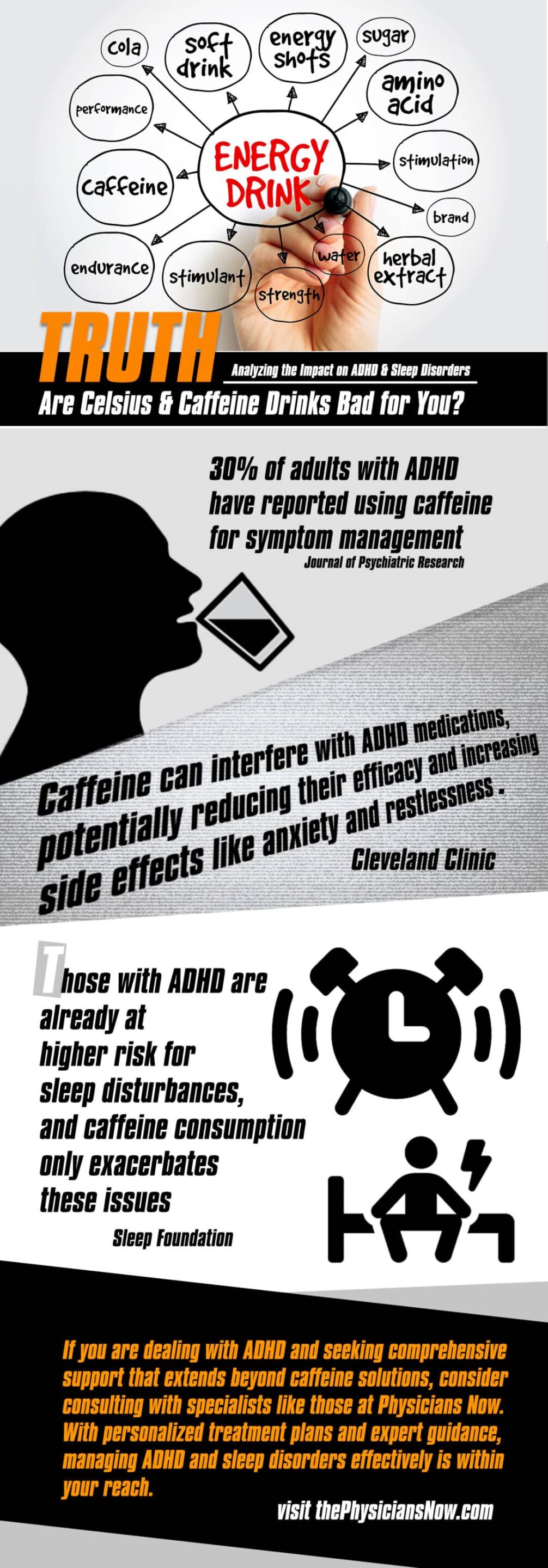
Sleep And Emotional Well-being
Sleep does more than recharge your body. It plays a big role in your emotional health. Poor sleep affects how you manage feelings and stress. It can change how you act with others too. Understanding this link helps you see why good sleep matters.
Emotional Regulation Challenges
Without enough sleep, controlling emotions becomes hard. You may feel more angry or sad. Small problems might seem bigger than they are. This makes it tough to stay calm or think clearly. The brain needs rest to handle emotions well.
Impact On Relationships
Sleep problems can hurt your relationships. Tiredness can cause misunderstandings or quick arguments. You might feel less patient with friends or family. When emotions run high, it is harder to connect. Good sleep helps keep bonds strong and positive.
Stress Management Difficulties
Lack of sleep makes stress harder to handle. Your body and mind need rest to recover from stress. Without it, small stresses feel overwhelming. This can lead to a cycle of poor sleep and more stress. Better sleep supports a calmer, healthier mind.
Long-term Health Risks
Poor sleep affects more than just how tired you feel. Over time, not getting enough rest can harm your body in many ways. It can increase the risk of serious health problems. Understanding these risks helps us see why good sleep is important every night.
Chronic Diseases Linked To Sleep Loss
Sleep loss raises the chance of diseases like heart disease and diabetes. Lack of sleep can cause high blood pressure and increase inflammation. Both harm the heart and blood vessels. It also affects how the body uses insulin, leading to diabetes. People who sleep poorly often face these health problems sooner.
Neurodegenerative Disorders
Long-term poor sleep can harm the brain. It may increase the risk of diseases like Alzheimer’s and Parkinson’s. Sleep helps clear harmful proteins from the brain. Without enough rest, these proteins build up and damage brain cells. This leads to memory loss and difficulty thinking clearly.
Premature Aging
Not sleeping well can make you look and feel older. Sleep helps repair skin and cells overnight. Poor sleep speeds up wrinkles and skin damage. It also weakens the immune system, making the body age faster. Getting enough sleep helps keep you healthy and youthful.

Ways To Improve Sleep Quality
Improving sleep quality is essential for overall health. Poor sleep affects more than just energy. It can impact mood, memory, and heart health. Simple changes can help you sleep better and feel well.
Healthy Sleep Habits
Go to bed and wake up at the same time every day. This helps your body find a natural rhythm. Avoid caffeine and heavy meals close to bedtime. Try to relax before sleeping by reading or listening to calm music. Limit screen time at least an hour before bed to reduce blue light exposure.
Environmental Adjustments
Make your bedroom quiet, dark, and cool. Use blackout curtains or a sleep mask to block light. Remove noise with earplugs or white noise machines. Choose a comfortable mattress and pillows. Keep your room clean and clutter-free to create a peaceful space.
When To Seek Professional Help
If you often feel tired despite good sleep habits, talk to a doctor. Difficulty falling asleep or staying asleep may need medical advice. Loud snoring or gasping during sleep could be signs of sleep apnea. A sleep specialist can diagnose and treat these problems.
Frequently Asked Questions
Does Poor Sleep Affect Mental Health Too?
Yes, poor sleep negatively impacts mental health. It increases stress, anxiety, and depression risks. Lack of sleep impairs emotional regulation and cognitive function.
Can Poor Sleep Cause Weight Gain?
Poor sleep disrupts hormones controlling hunger. It increases appetite and cravings for unhealthy food. This often leads to overeating and weight gain.
How Does Poor Sleep Impact Immune Function?
Sleep deprivation weakens the immune system. It reduces the body’s ability to fight infections. Poor sleep increases susceptibility to illnesses.
Does Poor Sleep Affect Memory And Concentration?
Yes, poor sleep impairs memory and focus. It reduces brain function needed for learning and problem-solving. Sleep is essential for cognitive performance.
Conclusion
Poor sleep affects more than just your energy levels. It can harm your mood, focus, and health. Your body needs rest to heal and work well. Sleep problems can lead to memory issues and stress. Taking care of your sleep helps your whole body.
Try to sleep well every night for a better life. Good sleep supports your brain, heart, and immune system. Don’t ignore poor sleep—it impacts your daily life. Small changes can improve your rest and overall health. Sleep matters more than you might think.