
As an Amazon Associate I earn from qualifying purchases.
Have you ever wondered if staying up late is hurting your health? You might be a night owl, enjoying the quiet hours when the world sleeps.
Or maybe you’re an early bird, waking up with the sunrise and feeling energized. But which lifestyle is better for your body and mind? Could your sleep habits be affecting your health more than you realize? Keep reading to discover surprising facts about night owls and early birds—and find out what this means for your well-being.
Your next choice could change how you feel every day.
Quick Navigation
Night Owls Vs Early Birds
The debate between night owls and early birds has been ongoing for years. Some people feel more active and alert in the morning. Others find their energy peaks late at night. This difference in sleep patterns impacts many areas of life, including health.
Understanding how these two groups function can help us learn if one is healthier than the other. Let’s explore the key differences and common beliefs about night owls and early birds.
Defining Sleep Chronotypes
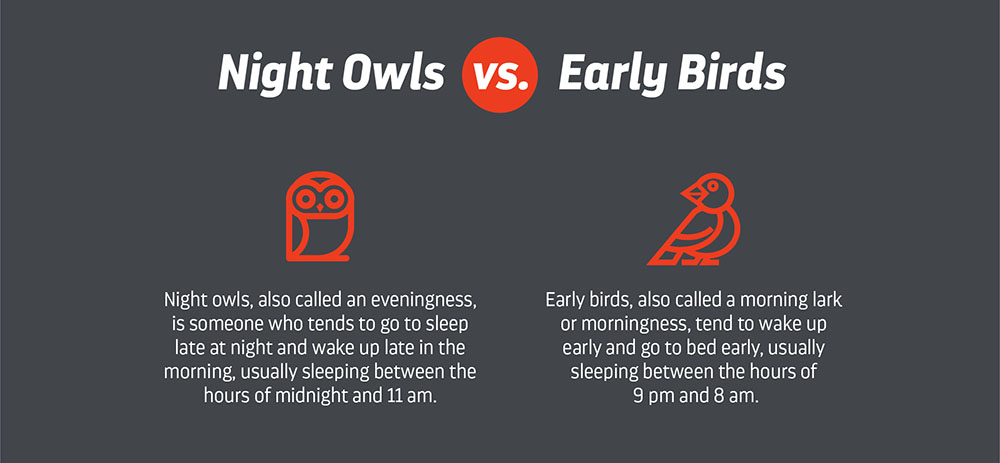
Sleep chronotypes refer to natural preferences for sleep and wake times. Early birds wake up early and feel most energetic in the morning. Night owls stay up late and prefer to sleep in. These patterns are often linked to genetics and biology. Everyone has a unique internal clock that controls sleep cycles.
Lifestyle Differences
Early birds tend to follow traditional work and school schedules easily. Their routines often include morning exercise and early meals. Night owls may struggle with early commitments but excel in creative or quiet nighttime hours. They often have flexible schedules or work late shifts. These lifestyle habits affect diet, exercise, and social life.
Common Misconceptions
Many believe night owls are lazy or unhealthy. Early birds are often seen as more disciplined and productive. These ideas are not always true. Health depends on overall habits, not just sleep time. Both chronotypes can be healthy or unhealthy. Good sleep quality and regular schedules matter most.
Health Risks Linked To Night Owls
Night owls often face unique health challenges. Their late sleeping habits can impact various body functions. This section explores key health risks linked to staying up late. Understanding these risks helps in making better lifestyle choices.
Metabolic And Cardiovascular Issues
Night owls tend to have higher risks of metabolic problems. These include weight gain and type 2 diabetes. Late sleeping can disrupt the body’s natural rhythm. This disruption affects how the body processes sugar and fats. Studies show night owls may also have higher blood pressure. This increases the risk of heart disease and stroke. The body’s internal clock plays a vital role in heart health. Disturbing this clock can lead to serious problems.
Mental Health Concerns
People who stay up late often report more mental health issues. Anxiety and depression are common among night owls. The irregular sleep pattern can worsen mood and stress levels. Lack of morning sunlight affects brain chemicals that regulate mood. Night owls may find it harder to cope with daily stress. Social isolation can increase because their schedule differs from others. This isolation sometimes leads to feelings of loneliness and sadness.
Sleep Quality And Duration
Night owls often struggle with poor sleep quality. Their sleep may be shorter and less restful. Staying up late can lead to sleep deprivation. This reduces alertness and weakens the immune system. Poor sleep also affects memory and concentration. Night owls may have trouble waking up early for work or school. Consistent lack of sleep can cause long-term health issues. Good sleep is crucial for overall well-being and energy.
Benefits Of Being An Early Bird
Being an early bird offers many health and lifestyle benefits. Waking up early helps set a positive tone for the day. It supports better habits, making life easier and more balanced.
Early risers often enjoy more daylight and quieter mornings. These factors can improve overall well-being and mood. Here are some key benefits of being an early bird.
Improved Sleep Patterns
Early birds tend to have consistent sleep schedules. Going to bed and waking up at the same time helps regulate the body clock. This leads to deeper and more restful sleep. Good sleep improves energy and focus throughout the day.
Better Mental Health
Waking early can reduce stress and anxiety. Quiet mornings provide time for calm and reflection. Exposure to natural light boosts mood and lowers depression risk. Early risers often feel more positive and balanced.
Enhanced Productivity
Morning hours are often free from distractions. Early birds can complete important tasks with more focus. Starting work early helps build momentum and finish tasks sooner. This creates a sense of achievement and control.
Role Of Genetics And Environment
The role of genetics and environment shapes whether someone is a night owl or an early bird. Both factors influence sleep patterns and health outcomes. Understanding these influences helps explain differences in daily energy and well-being.
Genetics set a baseline for your internal clock. Environment can push that clock forward or backward. Together, they form your unique chronotype.
Genetic Influences On Chronotype
Your genes carry instructions for your body clock. Some people inherit genes that make them feel more awake at night. Others have genes that promote early rising. Scientists have found specific genes linked to these sleep preferences. These genetic differences affect hormone release and body temperature. This explains why night owls and early birds feel best at different times.
Impact Of Work And Social Schedules
Work hours and social life often clash with natural sleep times. Early jobs require waking up when night owls feel sleepy. Social events late at night can tire early birds. These schedules can cause stress and poor sleep. Over time, this mismatch may affect health. People may feel tired, moody, or less focused. This shows how environment can challenge natural rhythms.
Adaptation And Flexibility
Some people adjust their sleep patterns more easily. Flexibility helps handle changing work and social demands. Adaptation may improve sleep quality and health. Night owls can try to shift sleep earlier gradually. Early birds might stay up later on special occasions. Small changes can reduce stress on the body clock. Finding balance is key to feeling well every day.
Strategies For Night Owls To Improve Health
Night owls face unique health challenges due to their late schedules. Simple changes can boost their well-being. Small steps improve energy, mood, and overall health.
Focus on good habits that fit a night owl’s lifestyle. These strategies help balance body rhythms and support daily health.
Optimizing Sleep Hygiene
Keep a regular sleep time, even on days off. Create a quiet, dark, and cool bedroom. Avoid screens at least one hour before bed. Use blackout curtains to block daylight. Limit caffeine after mid-afternoon. These habits help night owls rest deeply and wake refreshed.
Balanced Diet And Exercise
Eat meals at consistent times to support metabolism. Choose healthy snacks like fruits, nuts, and yogurt. Avoid heavy meals late at night. Exercise regularly, but not right before bed. Light activities like walking or stretching help night owls stay fit. Balanced nutrition and movement improve energy and mood.
Managing Light Exposure
Get bright light soon after waking to reset the body clock. Use blue-light filters on screens during evening hours. Avoid bright artificial light late at night. Morning sunlight helps night owls feel more alert. Managing light exposure guides the body’s natural rhythms for better sleep and health.

When Night Owls Can Thrive
Night owls often face challenges in a world made for early birds. Yet, they can thrive under the right conditions. Understanding when and how night owls perform best helps improve their health and success. Adjusting routines to fit their natural rhythms makes a big difference.
Night owls shine when their daily lives match their internal clocks. This alignment reduces stress and boosts energy. It allows them to work, rest, and play at times that feel natural and productive.
Aligning Schedules With Chronotype
Chronotype means your body’s natural sleep-wake cycle. Night owls feel awake late at night and sleep later in the morning. Changing this pattern can harm health and mood. Aligning work and life schedules with this rhythm helps night owls feel balanced. Flexible work hours or remote jobs suit night owls well. They can start the day later and avoid fatigue.
Leveraging Peak Performance Times
Night owls have peak energy in the evening and night. Tasks needing focus and creativity often go better during these hours. Planning important work, study, or exercise at night boosts output. Avoid forcing early morning activities that lower alertness. Using natural peak times improves mental clarity and reduces errors.
Examples Of Successful Night Owls
Many famous people thrived as night owls. Writers like Franz Kafka and Charles Bukowski wrote best at night. Entrepreneurs like Elon Musk have late-night work habits. Their success shows night owls can achieve great things. They prove that success depends on using your best hours, not the clock.

Frequently Asked Questions
Are Night Owls At Higher Health Risk Than Early Birds?
Night owls may face increased risks like obesity, diabetes, and heart issues. Early birds often have healthier sleep patterns and lower risk of these problems.
How Does Sleep Timing Affect Overall Health?
Sleep timing influences hormone levels, metabolism, and mental health. Consistent early sleep supports better immune function and mood stability compared to irregular night owl habits.
Can Night Owls Improve Health By Changing Sleep Patterns?
Yes, adopting earlier sleep schedules can improve metabolic health and reduce chronic disease risks. Gradual shifts help night owls align better with natural circadian rhythms.
Does Being A Morning Person Boost Mental Health?
Morning people tend to have lower stress, anxiety, and depression rates. Early routines promote regular sleep cycles, which support better brain function and emotional balance.
Conclusion
Night owls and early birds both face health challenges. The key is finding a routine that fits your life. Sleep quality matters more than wake-up time. Choose habits that support your body’s needs. Balance and consistency help maintain good health.
Listen to your body’s signals every day. Small changes can improve your overall well-being. Healthy living is possible for all types of sleepers. Your lifestyle, not just your sleep schedule, shapes health. Keep trying different routines until you feel your best.